
Serbia’s Record Turnout Tests Vučić’s Grip on Power
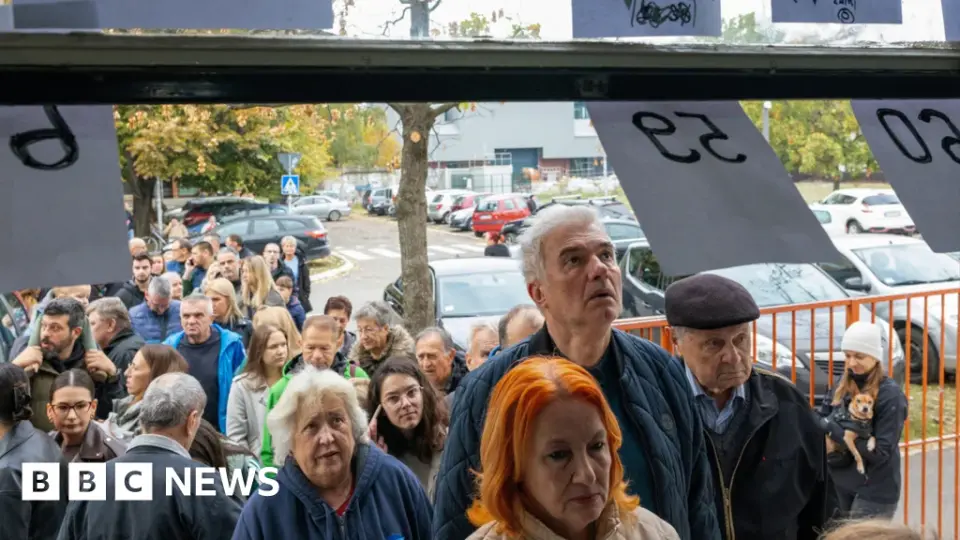
Serbian voters are casting ballots in record numbers for a snap parliamentary election, with early reports showing 46% turnout by 2 PM, nearly a million more than in the 2023 vote. The election pits incumbent leader Aleksandar Vučić against the anti-corruption 'Student List' movement, which emerged from protests following a fatal train station collapse in 2024. While Vučić emphasizes economic growth and infrastructure, the Student List promises to purge corrupt officials and free the media. High turnout is seen as crucial for the opposition, but concerns over electoral fraud and potential post-vote instability remain high.
Key points
- Early reports indicate a record high turnout, with 46% of voters casting ballots by 14:00 local time, exceeding the 2023 figure by nearly a million.
- The election is a contest between Aleksandar Vučić’s Serbian Progressive Party (SNS) and the 'Student List' movement, which seeks to end 12 years of Vučić’s rule.
- The Student List, led by Ilija Srdanović, includes 250 candidates selected by university assemblies, including doctors, actors, and academics, but lacks a clear leadership structure.
- Vučić, who cannot seek a third presidential term, is running for prime minister, promising higher pensions, public sector salaries, and healthcare investment.
- Concerns over electoral fraud persist, with reports of 'chain voting' and attacks on monitors, while the Student List has deployed observers to all 8,210 polling stations.
- A high final turnout of 65% or above is expected to favor the Student List, but a close result could lead to prolonged political instability.
Background
This election follows two years of student protests triggered by the 2024 collapse of a train station canopy that killed 16 people, which became a symbol of corruption and negligence in Serbia. Previous coverage highlighted the high-stakes nature of the vote, with the Student List mobilizing broad support against Vučić’s entrenched power. The snap election was called after Vučić resigned as president, paving the way for a parliamentary contest that serves as a referendum on his 12-year rule.
How outlets are covering it
The BBC emphasizes the record turnout and the potential for the Student List to oust Vučić, noting the high stakes and concerns over electoral fraud. The New York Times frames the election as a test of whether student-led protests reflect wider public opinion or just youthful anger, noting that some polls show the Student List could match or exceed Vučić’s support. The Telegraph source was inaccessible, so no perspective could be extracted. The BBC also highlights the risk of post-vote instability if results are contested, while the New York Times focuses on the broader question of whether the student movement can translate protest energy into a governing coalition.
Why it matters
The outcome of this election will determine whether Serbia continues under Vučić’s leadership or transitions to a new government led by the Student List. A victory for the Student List could signal a shift in Serbian politics toward anti-corruption and media freedom, while a Vučić win would consolidate his power. The high turnout and potential for electoral disputes make this a pivotal moment for Serbia’s democratic trajectory.
What to watch
Voting ends at 20:00, with first results expected two hours later. If the Student List wins, there are concerns about their ability to form a functioning government due to the lack of a clear leadership structure. If Vučić wins, the Student List may reject the results, potentially leading to weeks or months of political instability. The final turnout figure will be crucial in determining the legitimacy of the outcome.
- Early reports suggest record high turnout in Serbia elections BBC
- Serbia votes in historic election as students seek to end Vucic's long grip on power Reuters
- Putin’s last friend in Europe battles for survival after student uprising The Telegraph
- Serbia election: Can student-led opposition end Aleksandar Vucic's grip on power? DW.com
- What to Know as Serbia Votes for a New Parliament The New York Times
Want the full story? Read the original reporting
Read on BBC