
Shark attack survivor Leah Stewart closes fundraiser after 'remarkable' recovery
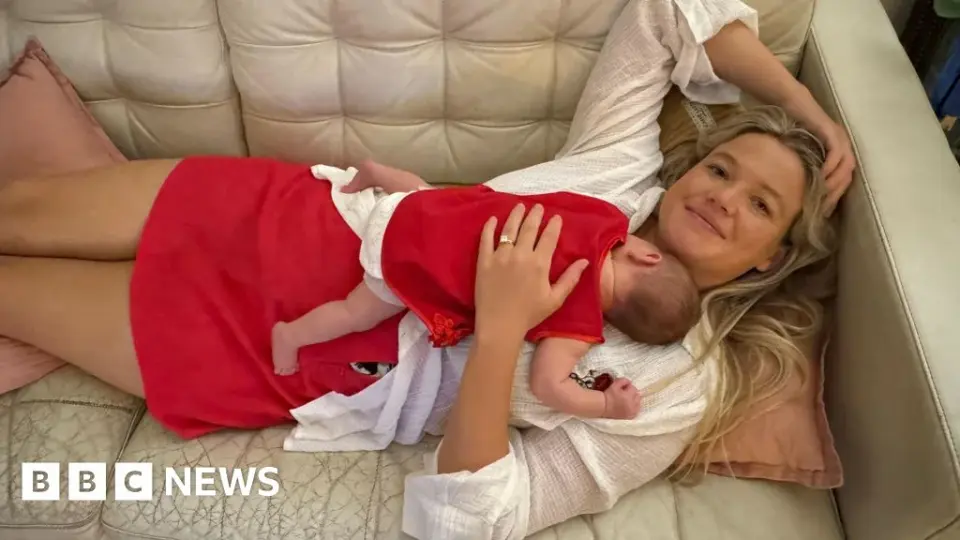
Leah Stewart, 35, has closed her fundraising campaign after raising over AU$550,000 to support her recovery from a severe shark attack at Coogee Beach in Sydney. The incident, which occurred on June 13, resulted in multiple bites, an induced coma, and the amputation of one arm. Stewart stated she has made 'remarkable' progress and feels she has been given a 'second chance at life.' The funds will now support her home recovery and future medical treatments. The attack contributed to a broader debate in New South Wales regarding beach safety, leading to expanded drone surveillance across 72 coastal beaches.
Key points
- Leah Stewart was attacked by a shark at Coogee Beach on June 13, suffering multiple bites to her arms and legs.
- She was placed in an induced coma for two weeks and underwent several surgeries, including the amputation of one arm.
- Stewart closed her online fundraiser after raising over AU$550,000, stating the money will cover home recovery and future medical options.
- She described her recovery as 'remarkable' and expressed gratitude for the support, which she said inspired her to 'get better, not bitter.'
- The attack prompted NSW Premier Chris Minns to announce increased funding for shark surveillance, expanding drone coverage to 72 beaches.
Background
This incident is part of a series of shark-related events in New South Wales this year. In January, 12-year-old Nico Antic died after an attack at Vaucluse, and musician Andre de Ruyter lost a leg following a suspected bull shark attack at Manly Beach. These incidents have driven policy changes, including the expansion of drone surveillance programs along the NSW coast. Stewart’s case highlights the severe physical and financial impact of such attacks on victims and their families.
How outlets are covering it
BBC and ABC News focused on Stewart’s personal recovery, her gratitude for the community support, and the closure of her fundraiser. The Sydney Morning Herald provided a more detailed account of the attack itself, including Stewart’s description of the shark as a 'monster' and her fear for her daughter, August. The Guardian mentioned the story briefly in a broader news roundup, noting the fundraiser closure but not providing extensive detail on the attack or recovery. All sources agree on the key facts of the attack, the amputation, and the fundraiser closure, but differ in emphasis: BBC and ABC highlight the emotional and financial aspects, while SMH focuses on the traumatic experience and public response.
Why it matters
Stewart’s case underscores the severe consequences of shark attacks and the critical role of community support in recovery. The incident has also influenced policy, leading to expanded surveillance measures in NSW, which may help prevent future attacks. The closure of the fundraiser marks a significant milestone in Stewart’s recovery, indicating progress in her rehabilitation and financial stability.
What to watch
Stewart will continue her recovery at home, using the raised funds for further medical treatments. The expanded drone surveillance program in NSW will continue to monitor beaches for shark activity. There may be further public discussions on beach safety and shark management in response to the ongoing incidents.
- Leah Stewart: Australian shark attack victim grateful for 'second chance at life' BBC
- ‘It was a monster’: Shark attack survivor Leah Stewart opens up in emotional interview SMH.com.au
- Sydney shark attack victim reflects on 'second chance at life' ABC News & Headlines – Australian Broadcasting Corporation
- Australia news live: Joyce says One Nation MP got migration policy wrong; second fur seal dies of suspected bird flu The Guardian
- ‘It was a monster’: Coogee shark attack victim Leah Stewart reveals harrowing details Nine.com.au
Want the full story? Read the original reporting
Read on BBC