
EU Urges UN Security Council to Halt Russian Black Sea Attacks Threatening Global Food Supply
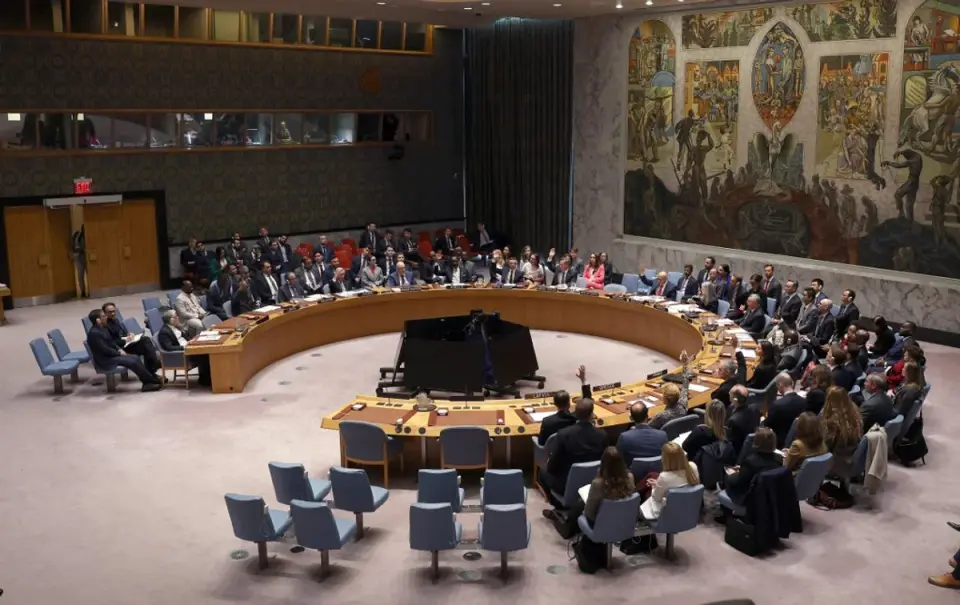
The European Union demanded an immediate, unconditional ceasefire from Russia at the UN Security Council on November 23, 2026, citing escalating attacks on civilian shipping and energy infrastructure. EU representative Dimitris Lambrinidis warned that Moscow’s actions threaten global food security and undermine diplomatic efforts. The EU highlighted 40 seafarers killed or missing and nine commercial vessels attacked in October, describing the Black Sea as the world’s deadliest maritime route. Brussels is allocating €50 million to a new Maritime Security Hub in Romania and Bulgaria while condemning Russia’s winter strikes on Ukrainian power grids as illegal and immoral.
Key points
- EU representative Dimitris Lambrinidis stated that Russia must accept an immediate and unconditional ceasefire, rejecting limited proposals for Black Sea maritime safety.
- The EU reported that 40 seafarers have been killed or reported missing, with nine commercial vessels attacked in October alone, four of which sank.
- Moscow’s attacks on civilian ports and energy infrastructure are described as having no military justification, aiming to disrupt grain exports and harm Ukraine’s economy.
- The EU is establishing a Black Sea Maritime Security Hub in Romania and Bulgaria with €50 million in funding to protect critical infrastructure.
- Lambrinidis condemned Russia’s November 19 attack on Kyiv, which damaged embassies of Austria, Brazil, the Netherlands, and Sweden, and violated Polish airspace.
- The EU emphasized that international humanitarian support cannot replace an end to strikes, citing UN findings that Russian authorities committed war crimes by targeting civilian objects.
Background
This escalation follows a series of diplomatic failures in late 2026, including a unilateral 'energy ceasefire' declared by US President Donald Trump in October that was immediately violated by Russian strikes on Ukrainian power infrastructure. European leaders had previously criticized US-Russia diesel deals, and tensions between Washington and Kyiv deepened after Trump suggested Ukraine needed a new leader to reach a deal. The current EU stance reflects growing frustration with Moscow’s rejection of diplomatic options and its continued targeting of civilian infrastructure as winter approaches.
Why it matters
The EU’s intervention highlights the intersection of regional conflict and global stability, as disruptions to Black Sea shipping directly impact food security for millions in Africa and beyond. By framing the issue as a matter of international law and humanitarian crisis, the EU seeks to pressure the UN Security Council to act, potentially influencing future diplomatic negotiations and military support for Ukraine. The emphasis on results over declarations signals a shift in European policy toward demanding tangible concessions from Moscow.
What to watch
The EU will monitor Russia’s response to the Security Council’s demands and continue mobilizing emergency assistance, including generators and repair equipment, for Ukraine. Brussels is expected to coordinate with the World Food Programme to support grain deliveries to vulnerable countries in Africa, particularly Sudan. Diplomatic efforts will focus on securing a comprehensive peace agreement, with the EU judging progress by concrete outcomes such as restored freedom of navigation and an end to attacks on civilian infrastructure.
Want the full story? Read the original reporting
Read on Kyiv Post