
Flydubai cockpit attack exposes gaps in airline pilot screening
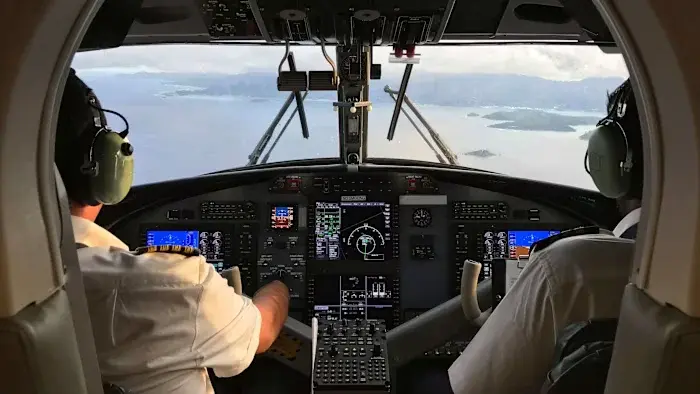
A co-pilot on a Flydubai flight attempted to hijack the aircraft by stabbing the captain with an axe, prompting a global review of pilot psychological screening. While the Boeing 737 Max's hardened cockpit door prevented a catastrophe, industry experts debate whether current annual medical checks are sufficient to detect mental health crises or extremist ideologies before they manifest.
Key points
- UAE authorities confirmed the co-pilot on Flydubai flight 1073 attacked the captain with a crash axe in a 'terrorist act,' leading to an emergency landing in Saudi Arabia.
- The incident occurred on a Boeing 737 Max, where the captain managed to open the hardened cockpit door before collapsing, allowing crew to secure the aircraft.
- Post-9/11 and post-Germanwings regulations mandate annual psychological checks and background screenings, but critics argue these are often self-reported and can be gamed by pilots fearing job loss.
- The 2015 Germanwings crash, which killed 150 people, led to the 'no one alone in the cockpit' rule, yet the Flydubai incident highlights vulnerabilities when the threat originates from within the flight deck.
Background
This incident follows the 2015 Germanwings crash in the French Alps, where a co-pilot deliberately crashed a plane into a mountain, killing 150 people. That disaster led to stricter global regulations, including the 'no one alone in the cockpit' rule and enhanced psychological testing. Recent airline safety discussions have also focused on medical emergencies, such as a Delta flight returning to Minneapolis in September 2026 due to a pilot's medical issue, highlighting the ongoing scrutiny of crew fitness.
How outlets are covering it
The Financial Times emphasizes the limitations of current psychological testing, noting that pilots may hide mental health issues to protect their medical certificates and income. Andrew McKechnie, a safety expert, argues that psychological assessments are ineffective against premeditated sabotage. Conversely, Arik Arad, a former Israeli airline security chief, cited by CNN, advocates for more frequent checks, suggesting screenings every six months rather than annually. The Washington Post focuses on the technical aspect, highlighting how the hardened cockpit door, a post-9/11 security measure, was crucial in preventing the co-pilot from taking control, despite the threat coming from inside the cockpit. Barclays analyst Andrew Lobbenberg suggests the incident may lead to a broader re-evaluation of crew vetting and cockpit access controls.
Why it matters
The Flydubai incident underscores the critical role of cockpit security and pilot mental health monitoring in aviation safety. It may lead to stricter regulations, more frequent psychological screenings, and enhanced cockpit door protocols, impacting how airlines and regulators approach pilot vetting and in-flight security.
What to watch
A full official investigation into the Flydubai incident is underway, with UAE authorities examining the co-pilot's motives and potential links to extremist groups. The incident is likely to prompt a global review of pilot psychological screening and cockpit security protocols, potentially leading to more frequent checks and stricter background vetting.
- How airlines try to weed out rogue pilots Financial Times
- FlyDubai Attack Adds New Risks to Dubai’s War-Battered Economy WSJ
- How cockpit doors have changed amid terrorism attacks The Washington Post
- Dubai Flight Attack Renews Questions of Airline Safety in America Yahoo
- Luck is not a security plan: Who will take responsibility? The Times of Israel
Want the full story? Read the original reporting
Read on Financial Times