
FlyDubai Incident Exposes Gaps in Global Pilot Vetting and Insider Threat Protocols
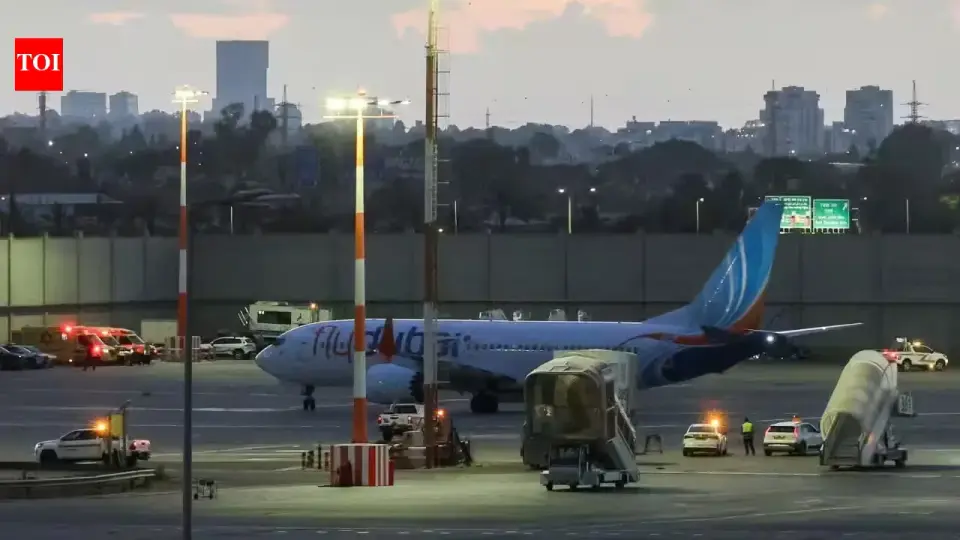
A FlyDubai co-pilot attempted to crash a flight to Tel Aviv, but the aircraft was saved by the captain and passengers. The incident highlights critical failures in cross-border background checks and the difficulty of detecting radicalized pilots.
Key points
- Co-pilot Hamam al-Hammami attacked Captain Smit Machchhar on a Dubai-to-Tel Aviv flight, causing a rapid descent of 16,000 feet in 30 seconds.
- Passengers, including an Israeli plumber, intervened to restrain the co-pilot and stabilize the aircraft, allowing it to land safely in Saudi Arabia.
- Al-Hammami had previously been barred from flying in Oman due to extremist views but obtained new licenses in other countries without those warnings being shared.
- Experts argue that current aviation security relies too heavily on point-in-time checks rather than continuous monitoring of pilot behavior and mental health.
- The incident has prompted calls for stricter international information sharing, potential cockpit camera installations, and a review of single-pilot cruise operations.
Background
This incident follows a series of aviation security reviews following the 2015 Germanwings crash and the 9/11 attacks. Recent archive reports indicate that the UAE and Israel have been strengthening security protocols, including resuming Israeli flights to Dubai after an eight-month hiatus. The current event underscores the ongoing tension between regional security cooperation and the risks posed by insider threats within the aviation industry.
How outlets are covering it
The Times of India and NDTV emphasize the failure of cross-jurisdictional information sharing, noting that al-Hammami’s previous ban in Oman was not communicated to FlyDubai. The Sydney Morning Herald highlights the inherent difficulty in detecting rogue pilots through testing, citing aerospace medicine experts who argue that behavior changes are hard to predict. U.S. News & World Report contextualizes the event within a historical timeline of cockpit security changes, from 9/11 reinforced doors to post-Germanwings mental health assessments. While all sources agree on the need for better vetting, NDTV specifically criticizes the lack of intelligence sharing post-Abraham Accords, whereas The Sydney Morning Herald focuses on the physical limitations of current cockpit door security and the potential return of single-pilot operations.
Why it matters
The incident exposes a systemic vulnerability in global aviation security where a pilot’s history can be obscured by moving between countries and airlines. It challenges the industry’s reliance on static background checks and raises urgent questions about the effectiveness of current mental health and radicalization screening processes. The successful rescue of the flight, while heroic, was described by experts as an unlikely outcome that cannot be relied upon for future safety, necessitating immediate regulatory reforms.
What to watch
Regulators are expected to implement stricter background checks and potentially introduce continuous vetting systems. There may be a push for cockpit cameras and a re-evaluation of single-pilot cruise operations. International bodies like ICAO may update their Insider Threat Toolkit to mandate seamless information sharing between aviation authorities across different jurisdictions.
- FlyDubai flight incident: Did aviation miss the insider-threat warning? The Times of India
- Rogue pilots may be the most dangerous threat to passengers. They’re ‘just about impossible’ to stop SMH.com.au
- Key Aircraft Incidents That Reshaped Aviation Safety Rules Since 9/11 U.S. News & World Report
- flydubai Scare Could Rewrite Cockpit Security To Fight Inside Threat NDTV
- 'Stronger cockpit security, pilot re-verification must': V George The New Indian Express
Want the full story? Read the original reporting
Read on The Times of India