
Investigations into FlyDubai crash focus on pilot vetting and cockpit security gaps
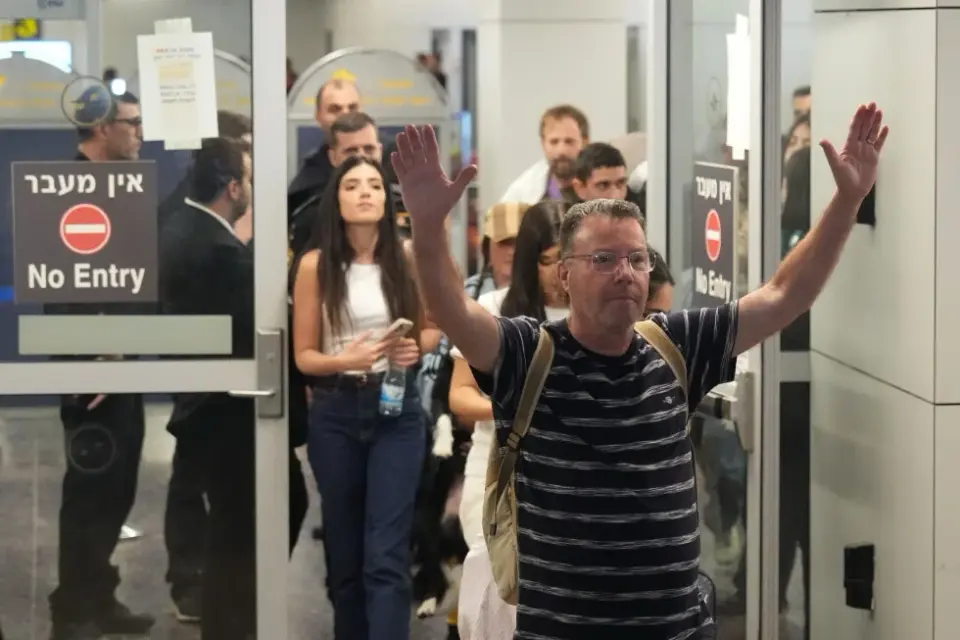
Investigators in the UAE and Israel are likely to scrutinize pilot screening protocols and cockpit door vulnerabilities after a FlyDubai co-pilot stabbed the captain and attempted to crash a flight to Tel Aviv. Experts suggest the incident may reveal compliance failures rather than systemic flaws, while highlighting the risks of locked cockpits preventing access to rogue crew members.
Key points
- Investigators will review whether colleagues reported concerns about the copilot and how the airline responded.
- Israel is increasing security precautions for flights entering the country, including vetting pilots.
- The incident highlights the risk of locked cockpit doors preventing access to rogue crew members.
- Experts suggest the incident may point to a compliance lapse rather than a flaw in procedures.
- Investigators will review responses to distress signals from the FlyDubai plane after a steep drop in altitude.
Background
The FlyDubai incident occurred on Wednesday, when a co-pilot stabbed the captain during a flight from Dubai to Tel Aviv, causing the aircraft to plummet 17,000 feet. Passengers and crew subdued the attacker, allowing the plane to land safely in Saudi Arabia. The incident has raised questions about pilot vetting and aviation security, with the UAE ordering an investigation. Israeli Prime Minister Benjamin Netanyahu stated the motive remains unclear but indicated the co-pilot underwent 'Islamist radical indoctrination' and appeared suicidal. While authorities investigate potential links to Iran, the incident has prompted urgent security reviews and a resumption of Israeli flights to Dubai.
Why it matters
The FlyDubai incident highlights the risks of locked cockpit doors preventing access to rogue crew members and the need for improved pilot vetting protocols. It also underscores the importance of international cooperation in aviation security and the need for countries to provide assistance to aircraft facing hijacking or other 'unlawful interference'.
What to watch
Investigators in the UAE and Israel are likely to review pilot screening policies and cockpit door vulnerabilities. Israel is increasing security precautions for flights entering the country, including vetting pilots. The incident may lead to changes in aviation security protocols and pilot vetting procedures.
Want the full story? Read the original reporting
Read on AP News