
Dangote Launches $16B Kenya Refinery Despite Legal and Environmental Objections
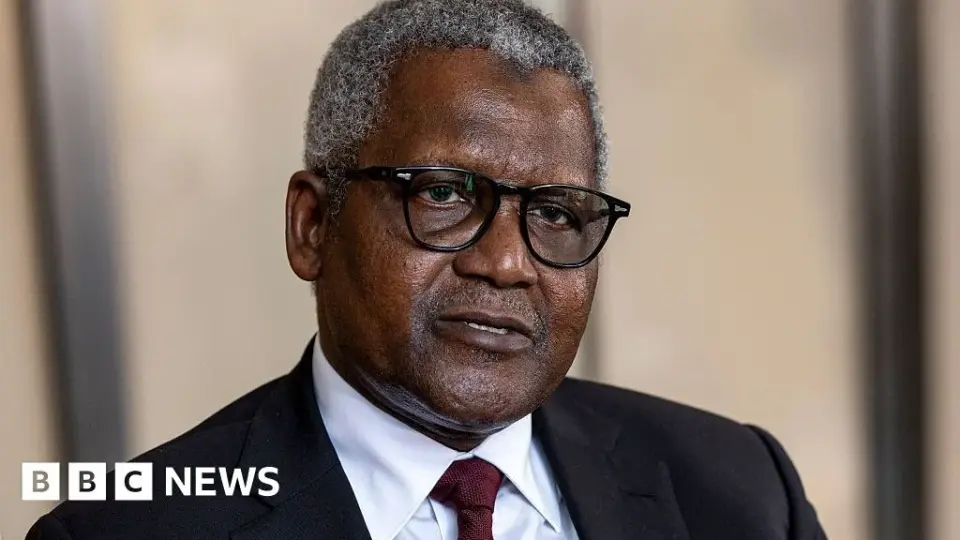
Nigerian billionaire Aliko Dangote and Kenyan President William Ruto broke ground on a $16 billion oil refinery in Lamu, Kenya, designed to process 700,000 barrels of crude daily. The project, expected to be operational by 2030, is East Africa’s largest industrial undertaking. Dangote dismissed local protests over land compensation and environmental concerns, while regional leaders from Uganda, Ethiopia, Togo, and Benin attended the launch to support the initiative.
Key points
- The Lamu refinery will process 700,000 barrels of crude oil per day, making it the largest industrial project in East Africa by capacity.
- Dangote offered regional governments a combined 30% stake in the refinery, according to Reuters.
- The project includes a 1,000-megawatt power plant to support industrial operations in the region.
- Dangote expects the refinery to create 60,000 jobs at peak construction and operation.
- The refinery is set to be completed by 2030, with Dangote citing his Nigerian refinery as a successful precedent.
Background
This launch follows Dangote’s recent IPO of his Nigerian refinery, which raised up to $2.1 billion to fund expansion. The Lamu project is part of Dangote’s broader $50 billion pipeline of African infrastructure investments, including plans for 10,000 megawatts of power generation by 2030. Kenya’s high fuel prices have raised expectations that local refining could reduce costs, though international crude prices remain a key factor.
How outlets are covering it
BBC and AP News highlight the scale of the project and Dangote’s confidence in its success, noting his dismissal of protests as 'games played by local marketers.' However, BBC also reports on environmental concerns raised by the Save Lamu campaign group and legal challenges from 133 residents in Kenya’s High Court. AP News focuses on Dangote’s potential US investment for the refinery, while BBC emphasizes the regional cooperation aspect, with leaders from multiple African nations attending the launch. Critics question the location choice, as Kenya is not an oil-producing country, but Dangote and Kenya’s Energy Minister argue that refineries can source crude from global markets, similar to Singapore.
Why it matters
The Lamu refinery represents a significant step toward African industrialization and energy independence, potentially reducing reliance on imported fuel. However, the legal and environmental challenges highlight the tensions between large-scale development and local community interests. The project’s success could set a precedent for future infrastructure investments in the region, while its failure could raise questions about the sustainability and social impact of such ventures.
What to watch
The next court hearing on the land dispute is scheduled for October 14, 2026. Construction activities on the disputed land are currently restricted until then. Dangote aims to complete the refinery by 2030, and the project’s progress will be closely watched as a test case for large-scale industrial development in East Africa.
- Aliko Dangote launches Kenya oil refinery amid land protest in Lamu BBC
- Honeywell to help build Dangote's new Kenyan mega-refinery Reuters
- Message from Prime Minister Abiy Ahmed (PhD) – Government Communication Service የመንግስት ኮሙኒኬሽን አገልግሎት
- Nigerian billionaire eyes US investors ahead of groundbreaking for $16B Kenya refinery apnews.com
- Ruto, Dangote and four Presidents: Lamu refinery puts East Africa’s oil plans to test nation.africa
Want the full story? Read the original reporting
Read on BBC