
Supreme Court pressure forces Balad leader to withdraw from October Knesset vote
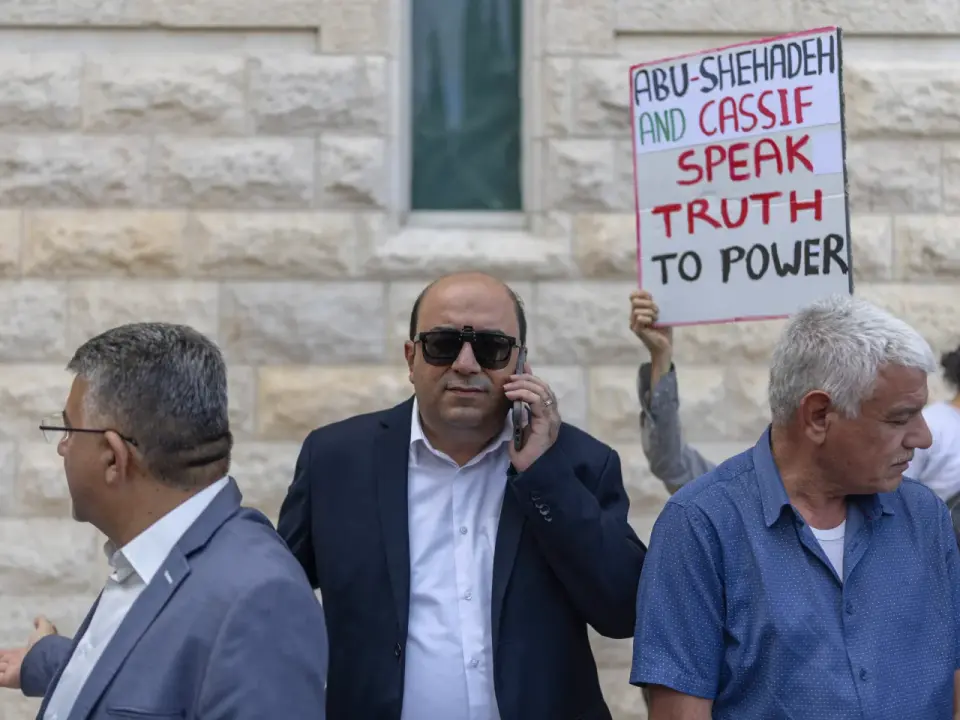
Balad party leader Sami Abu Shehadeh has withdrawn his candidacy for the October 27 Knesset election after the Israeli Supreme Court recommended he step aside to avoid a formal disqualification ruling. The court’s nine-justice panel, presided over by Yitzhak Amit, unanimously deemed his 2023 statements 'repugnant' but split on the legal outcome, giving him until Friday morning to withdraw. While the Attorney-General opposed the ban, National Security Minister Itamar Ben-Gvir argued for a formal ruling. The move follows the Central Elections Committee’s recent disqualification of major Arab lists Ra’am and the Joint List, raising concerns that approximately 20% of Arab citizens may lack parliamentary representation. The Supreme Court is expected to rule on the remaining cases by Sunday.
Key points
- Sami Abu Shehadeh, leader of the Balad party, announced his withdrawal from the October 27 election late Thursday night following a recommendation by the Supreme Court.
- Supreme Court President Yitzhak Amit stated that while all nine justices agreed Abu Shehadeh’s 2023 article was 'painful and outrageous,' they differed on whether it met the legal threshold for disqualification.
- The court gave Abu Shehadeh until 8 a.m. on Friday to withdraw; if he did not, the court would issue a formal disqualification ruling by Sunday.
- National Security Minister Itamar Ben-Gvir opposed the recommendation, arguing the court should issue a binding ruling rather than allowing a voluntary withdrawal.
- Attorney-General Gali Baharav-Miara opposed the disqualification of Abu Shehadeh and MK Ofer Cassif, stating the evidence did not meet the stringent legal threshold, but supported the disqualification of the Joint List and Ra’am.
- The Central Elections Committee had previously voted to disqualify the Joint List and Ra’am, the two main Arab-majority parties, as well as individual candidates Abu Shehadeh and Ofer Cassif.
Background
This development follows the Central Elections Committee’s decision in late September 2026 to disqualify the Ra’am and Joint List parties from the October 27 election, a move driven by petitions from Prime Minister Benjamin Netanyahu’s coalition. Previous archive coverage noted that the Supreme Court has historically overturned similar bans on Arab lists, but the current panel’s composition and the specific legal arguments regarding 'armed struggle' and 'negation of the state' have intensified the controversy. The disqualification of these parties aims to alter coalition math in a closely contested race where neither the ruling bloc nor the opposition holds a clear majority.
How outlets are covering it
Al Jazeera emphasizes the potential for a 'dangerous precedent' in disqualifying all Arab representation, noting that the move leaves Palestinian citizens of Israel without major Knesset options. The outlet highlights the Attorney-General’s opposition to the bans, framing the disqualifications as politically motivated. The Jerusalem Post provides a more detailed procedural account, noting that while the Supreme Court justices agreed the statements were 'repugnant,' they split on the legal outcome, leading to the recommendation for withdrawal. The Post also details the specific legal arguments regarding the 2023 article, noting that the Attorney-General’s office argued a single item of 'golden evidence' could justify the ban, while defense lawyers argued it did not constitute a 'critical mass' of evidence. Ben-Gvir’s presence in court and his opposition to the recommendation are highlighted by both outlets as a sign of the political intensity surrounding the case.
Why it matters
The disqualification of major Arab parties and candidates could significantly alter the balance of power in the October 27 Knesset election, potentially affecting coalition formation. The Supreme Court’s decision to recommend withdrawal rather than issue a formal ruling sets a new precedent for how 'repugnant' statements are treated in electoral law. The outcome may also influence voter turnout among Arab citizens, who have been urged to respond with mass participation despite the disqualifications. The case highlights the ongoing tensions between Israel’s political establishment and its Arab minority, with implications for democratic representation and legal standards for candidacy.
What to watch
The Supreme Court is expected to issue rulings on the disqualification of MK Ofer Cassif, the Joint List, and Ra’am by Sunday. If the court upholds the disqualifications, approximately 20% of Arab citizens may be left without major parliamentary representation. The outcome of these cases will likely influence the final coalition math in the Knesset, as neither the ruling bloc nor the opposition currently holds a clear majority. Further legal challenges and public protests are anticipated as the election approaches.
- Israel’s Supreme Court advises Arab party leader to drop election bid Al Jazeera
- High Court hears appeals against disqualifications of Arab Knesset slates The Jerusalem Post
- Opinion | Banning this Arab politician could reshape Palestinian politics in Israel Haaretz
- High Court urges Balad chairman to drop out of elections or face disqualification timesofisrael.com
- Israel has banned Arab parties from standing in the upcoming election. How can they do that? DW.com
Want the full story? Read the original reporting
Read on Al Jazeera