
STIHL Chief Nikolas Stihl Urges 40-Hour Week Without Pay Hikes to Save German Industry
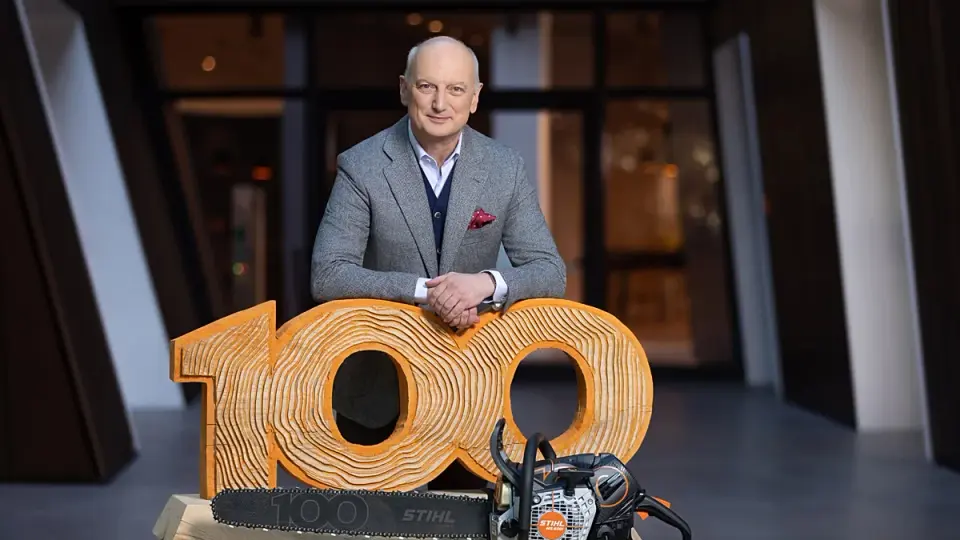
Nikolas Stihl, chairman of chainsaw manufacturer STIHL, argues that Germany’s industrial decline necessitates a 40-hour work week without additional pay. He cites a 15% drop in industrial output over eight years and blames high labor costs and bureaucracy. Stihl advocates for reduced non-wage costs, stricter sick leave rules, and increased work volume to preserve the welfare state, warning that current government reforms are insufficient to restore competitiveness against global rivals.
Key points
- STIHL generated 5.48 billion euros in revenue in 2025 and employs over 20,000 people globally, marking its 100th anniversary.
- Nikolas Stihl states Germany has lost approximately 15% of its industrial output and 15,000 jobs monthly over the past eight years.
- The proposal includes a 40-hour work week with no pay increase, aiming to boost total work volume without raising labor costs.
- Stihl recommends capping non-wage labor costs at 40% of gross wages and abolishing phone-in sick notes.
- He criticizes current government reforms as insufficient, urging further cuts to red tape and incentives for AI and robotics.
Background
This debate occurs within a broader European context of labor market adjustments, though no specific prior coverage of German industrial policy exists in the archive. The focus on productivity and work hours contrasts with recent health-focused studies on strength training and longevity, highlighting a shift from individual wellness to macroeconomic structural concerns in industrial sectors.
Why it matters
The proposal challenges traditional German labor protections, potentially reshaping wage negotiations in key industries like metalworking and electrical sectors starting in October 2026. It highlights the tension between preserving high welfare standards and maintaining global competitiveness amid rising energy and labor costs.
What to watch
Collective bargaining talks in the metalworking and electrical industries are scheduled to begin in October 2026, where these labor cost and hour proposals may face direct negotiation between unions and employers.
- STIHL chief calls for longer hours without extra pay in reform push Euronews.com
- STIHL CEO Nikolas Stihl: Germany's Economic Crisis and Need for Reforms | 2026 - News and Statistics IndexBox
- STIHL chief: Reforms — this is how we can retain our prosperity Euronews.com
- Germany's Economic Crisis: Stihl's Call for Reform and Investment - News and Statistics IndexBox
Want the full story? Read the original reporting
Read on Euronews.com