
UK schools face unprecedented heat disruptions, prompting calls to shift summer holidays
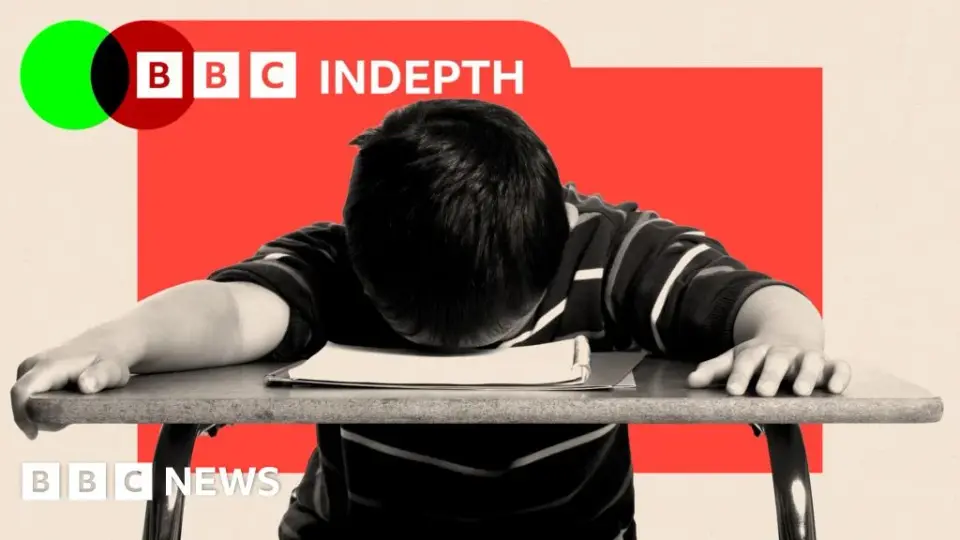
UK schools are grappling with record-breaking heat, leading to closures and early dismissals. Data shows the first 30C day now arrives in mid-June, not mid-July. Experts argue the school year must be restructured or buildings upgraded to handle increasingly frequent 'heat days' that impair student performance.
Key points
- The UK experienced five widespread heatwaves and four consecutive months exceeding 35C, with a record 38C recorded in Norfolk in June.
- Over 1,000 UK schools closed or sent pupils home early due to stifling classroom temperatures, particularly affecting GCSE and A-level exam candidates.
- The Met Office notes the 'hot season' is lengthening, with extreme heat now occurring in May and September, not just June to August.
- Studies suggest students lose an estimated 8.2 days of learning annually due to extreme heat, with performance dropping 10% on 32C days compared to 22C days.
- There is no legal maximum temperature for classrooms, though the National Education Union recommends keeping them above 18C, and some studies suggest 26C is the upper comfort limit.
Background
This follows a broader trend of extreme weather disrupting public schedules, including the 2026 Tour de France, where stages were shortened due to heat. While previous archive items focused on commercial calendar sales or specific school sports issues, the current situation highlights a systemic infrastructure and policy crisis in education.
Why it matters
As climate change makes heatwaves more frequent and intense, the traditional school calendar is becoming obsolete. Without policy changes or infrastructure investment, educational equity is at risk, as students in poorly ventilated schools face significant learning losses and health hazards. The debate now centers on whether to shift holidays earlier or invest in climate-resilient buildings.
What to watch
The UK government is expected to consider national-level guidance for 'heat days' and potential changes to term dates. Schools may adopt flexible hours or uniform changes in the short term, while long-term plans for air conditioning and building upgrades are likely to be debated. Parents and educators are pushing for immediate action to protect student health and academic performance.
Want the full story? Read the original reporting
Read on BBC