
2026 on Pace to Shatter Global Record for Category 5 Storms Amid Record-Breaking El Niño
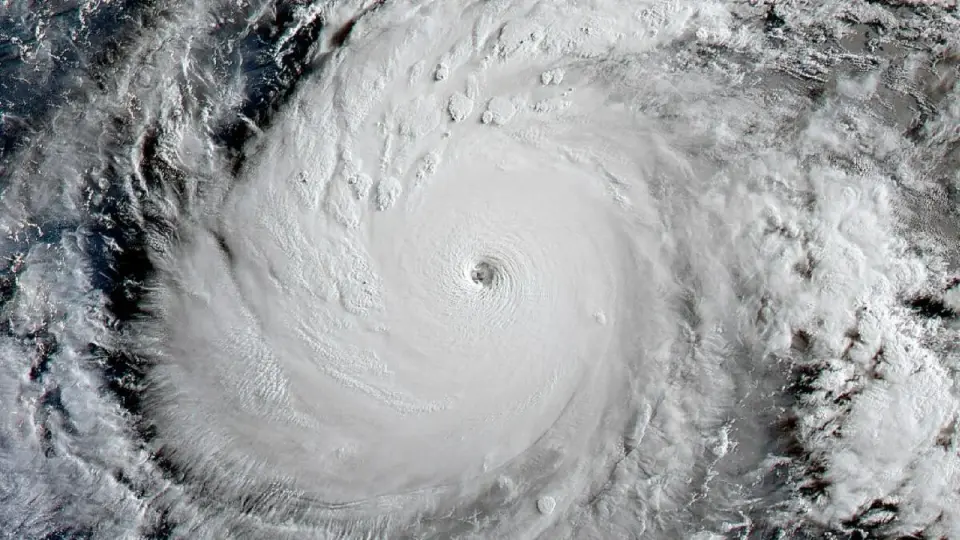
Super Typhoon Dolphin has become the fifth Category 5 tropical cyclone of 2026, putting the year ahead of the all-time global record set in 1997. This surge in extreme Pacific storm activity is driven by a developing 'super' El Niño, which is warming ocean temperatures to historic levels and reducing wind shear, while simultaneously suppressing Atlantic hurricane activity.
Key points
- Super Typhoon Dolphin peaked at 165 mph (270 km/h) with a central pressure of 910 mb, making it the strongest typhoon on record to develop near the International Date Line.
- The 2026-2027 El Niño is projected to be the strongest on record, with tropical Pacific sea surface temperatures potentially rising 6.5°F (3.6°C) above average, exceeding the 2015-2016 record by 1.4°F.
- The five Category 5 storms of 2026 include Tropical Cyclone Horacio, Super Typhoon Sinlaku, Super Typhoon Bavi, Hurricane Genevieve, and Super Typhoon Dolphin, all forming in Pacific basins.
- El Niño conditions are suppressing Atlantic hurricane formation, offering the U.S. East Coast a quieter season, while supercharging Pacific activity due to warmer waters and lower vertical wind shear.
- Dolphin poses no immediate threat to land but is forecast to weaken as it moves west-northwest, potentially entering the East China Sea by late next week.
Background
This record-breaking storm activity follows a period of significant climate volatility, including a record heat dome in Southern California in late July 2026 that was influenced by moisture from Hurricane Genevieve. The current El Niño event is part of a broader trend where global Category 5 storm frequency has increased since satellite data began in 1982, with climate change expected to further increase the proportion of tropical cyclones reaching Category 4 or 5 strength.
How outlets are covering it
Gizmodo and Yale Climate Connections both emphasize the historic nature of the 2026 Category 5 count, highlighting how the current El Niño is breaking records for ocean warmth and storm intensity. Yale Climate Connections provides detailed meteorological analysis, noting Dolphin's rapid intensification cycle and its potential impact on the East China Sea, while Gizmodo focuses on the broader implications for global weather patterns. Stars and Stripes offers a localized perspective, reporting that U.S. military bases in Okinawa have issued an 'All Clear' as Dolphin weakens to Category 1-equivalent status, contrasting with the storm's earlier peak intensity. All sources agree that the El Niño is the primary driver of this unprecedented Pacific storm activity, though they differ in their focus on global records versus local impacts.
Why it matters
The record-breaking Category 5 storm activity in 2026 underscores the intensifying impact of El Niño on global weather patterns, with potential implications for coastal communities, infrastructure, and climate policy. The surge in Pacific storm intensity, driven by record ocean temperatures, highlights the need for improved forecasting and preparedness in regions vulnerable to tropical cyclones, while the suppression of Atlantic activity offers a temporary reprieve for the U.S. East Coast but does not mitigate the broader risks posed by a warming climate.
What to watch
Forecasters expect Super Typhoon Dolphin to weaken as it moves west-northwest, potentially entering the East China Sea by late next week. The 2026-2027 El Niño is projected to reach peak intensity, with sea surface temperatures potentially rising 6.5°F above average, which could lead to further record-breaking storm activity in the Pacific. The U.S. East Coast is expected to remain relatively quiet due to El Niño's suppression of Atlantic hurricane formation, but the West Coast may face increased risks from Pacific storms, though they are likely to weaken upon encountering cooler waters.
- Earth Is On Track to Break the All-Time Record for Category 5 Hurricanes This Year Gizmodo
- Super Typhoon Dolphin barrels towards Asia as it reaches 160 mph winds, equivalent to a Category 5 hurricane FOX Weather
- Typhoon Dolphin Forecast to Reach Sea Near Japan’s Minami-Torishima Island by Sunday The Japan News
- Historic Super Typhoon Dolphin hits Category 5 strength in the Northwest Pacific Yale Climate Connections
- Super Typhoon 12W (Dolphin), # 13 stripes.com
Want the full story? Read the original reporting
Read on Gizmodo