
BBC Investigation Details Systematic RSF Destruction of El-Fasher Healthcare
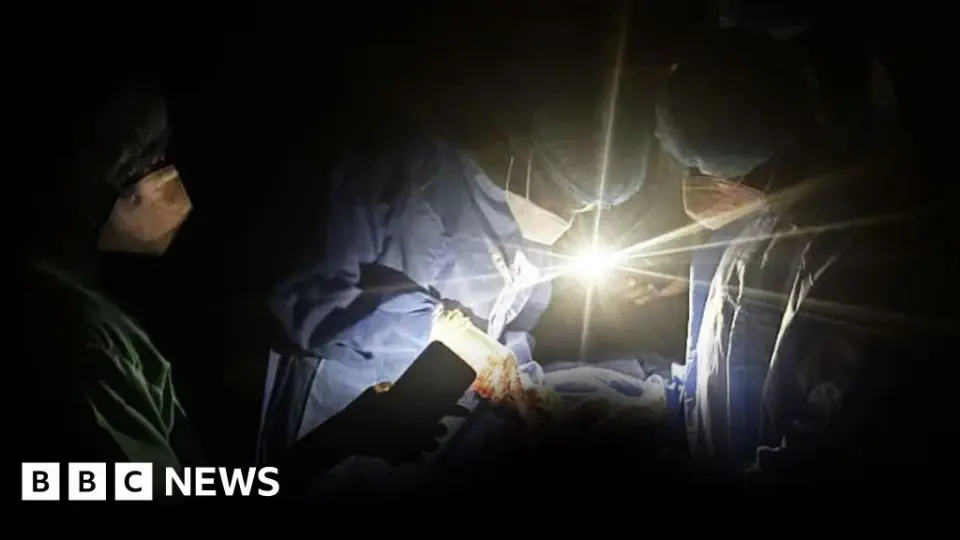
A BBC investigation documents 43 deliberate attacks on hospitals in El-Fasher by the Rapid Support Forces (RSF) between 2024 and 2025, resulting in the death of 55 medical workers. While the RSF denies these findings as propaganda, the UN and Amnesty International confirm severe violations, including arbitrary detention and torture, as the city remains under RSF control with a population reduced to under 70,000.
Key points
- BBC investigation identifies 43 separate attacks on healthcare facilities in El-Fasher from May 2024 to October 2025, including repeated shelling and drone strikes on the Saudi Maternity Hospital.
- Medical staff reported 120 injuries, 55 deaths, and 10 abductions among healthcare workers in El-Fasher between April 2023 and October 2025.
- UN Human Rights Chief Volker Türk described the findings as 'deeply disturbing' and potential war crimes, while the RSF dismissed the report as propaganda.
- Amnesty International reports that fewer than 70,000 people remain in El-Fasher, down from over one million, with widespread arbitrary detention, torture, and forced labor in schools and prisons.
- The RSF claims hospitals were used as military bases, but the BBC found no independent evidence to support this, noting that medical staff were forced to work under threat of execution.
Background
El-Fasher, the capital of North Darfur, fell to the RSF in October 2025 after a year-long siege. The city was a key stronghold for the Sudanese army before the conflict erupted in April 2023. Previous reports have highlighted the broader humanitarian crisis in Sudan, including famine risks and mass displacement, but this investigation focuses specifically on the systematic destruction of healthcare infrastructure during the siege.
How outlets are covering it
The BBC and UN officials emphasize the deliberate targeting of hospitals as a war crime, citing specific incidents like the beating of hospital director Izzeldin Ahmed Dawaud Asow and the use of precision-guided drones. The RSF, through its health minister Dr. Alaa Eldin Nugud, rejects these claims, alleging that hospitals were used as military bases and that medical staff were voluntarily working for the RSF. Amnesty International focuses on the aftermath, documenting ongoing arbitrary detention, torture, and forced labor in schools and prisons, while noting that the international community has failed to hold the UAE, a key RSF supporter, accountable. The Economist provides a personal narrative of a doctor’s captivity, highlighting the terror and surveillance that continues one year after the city’s fall.
Why it matters
The systematic destruction of healthcare in El-Fasher represents a severe violation of international humanitarian law and exacerbates the humanitarian crisis in Sudan. The findings underscore the need for international accountability and a ceasefire, as the conflict continues to displace millions and cause widespread suffering. The RSF’s control over El-Fasher also highlights the challenges of humanitarian access and the protection of civilians in conflict zones.
What to watch
The international community is expected to pressure the RSF and its supporters to allow humanitarian access and hold perpetrators accountable. Amnesty International is calling for an immediate ceasefire and the deployment of an international force to protect civilians. The RSF may continue to deny the findings, but the evidence from the BBC and UN could lead to further investigations and potential war crimes charges.
- Sudan hospitals deliberately targeted in el-Fasher by RSF fighters, BBC investigation finds BBC
- A genocidal militia was coming for his city. He was one of the last doctors left The Economist
- Sudan: El Fasher civilians suffer unlawful killings, detention and torture one year after city’s capture by the RSF – new testimony Amnesty International
- Attacks on Health Care in Sudan, 01-15 October 2026 ReliefWeb
- A year after El Fasher tragedy, atrocities continue to haunt Hemedti’s forces Middle East Monitor
Want the full story? Read the original reporting
Read on BBC