
Yemen’s Collapsed Ceasefire Drives Newborn Twins to Starvation as Aid Crumbles
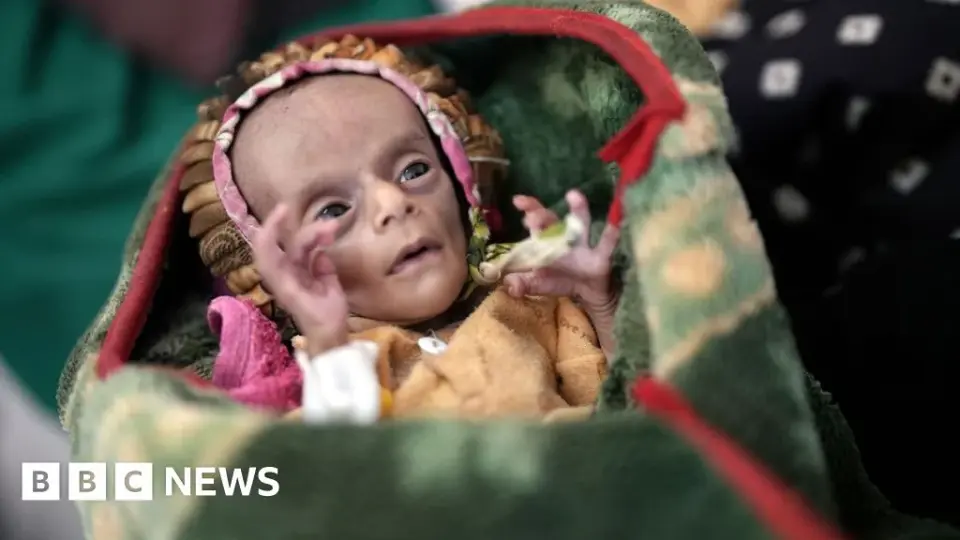
The collapse of an informal ceasefire in summer 2026 has triggered a rapid Houthi military advance along Yemen’s Red Sea coast, displacing over 250,000 people and cutting off the city of Taiz. This escalation has exacerbated a pre-existing hunger crisis, leaving approximately 800,000 people without lifesaving aid. In Aden, severe acute malnutrition is now a primary cause of death for infants, as hospitals face critical shortages of staff, equipment, and funding. The conflict has forced families to flee with minimal resources, leading to preventable deaths among the most vulnerable, including premature twins who arrived at medical facilities in a state of near-total starvation.
Key points
- The informal ceasefire in Yemen collapsed in summer 2026, leading to a significant Houthi advance along the Red Sea coast and the complete cutoff of Taiz, the country’s third-largest city.
- The United Nations reports that over 250,000 people have been displaced in the last three months, while approximately 800,000 individuals can no longer access lifesaving humanitarian aid.
- Severe acute malnutrition is now as lethal as combat injuries; the UN estimates that half a million Yemeni children will suffer from this condition in 2026.
- Medical facilities in Aden, such as al-Sadaqah hospital, are severely under-resourced, admitting only 13 of 22 available beds due to a lack of international funding, ventilation machines, and oxygen supplies.
- Displaced families, including shepherds who lost their livestock, are forced to walk for days to reach safety, often arriving with infants suffering from dehydration and starvation due to the inability to afford basic nutrition.
Background
This escalation follows a pattern of recurring humanitarian crises in the region. In September 2026, Yemeni forces repelled a Houthi attempt to sever the Taiz-Aden supply route, highlighting the strategic importance of this corridor. The current surge in violence mirrors the broader instability seen in other conflict zones, such as Gaza, where fragile ceasefires have failed to prevent daily survival struggles amid aid shortages. The current crisis in Yemen is a direct consequence of the July 2026 reignition of hostilities, which had already displaced over 216,000 people and raised global oil prices due to threats to Red Sea shipping routes.
How outlets are covering it
The BBC provides a granular, human-centric perspective, detailing the specific plight of the Hassan family and the operational failures within Aden’s healthcare system, such as the lack of beds and equipment. In contrast, Cedar News offers a high-level summary that emphasizes the macro-level statistics, such as the 800,000 people cut off from aid and the Houthi military advance, without the individual narrative details. While both sources agree on the severity of the crisis, the BBC highlights the 'crisis within a crisis' nature of the malnutrition, whereas Cedar News focuses on the broader geopolitical shift following the collapsed ceasefire.
Why it matters
The situation in Yemen represents a critical failure of the international humanitarian response. As the conflict expands, the gap between the number of people in need and the availability of aid is widening, leading to a generation of children facing preventable death from starvation. The collapse of the ceasefire and the subsequent displacement of hundreds of thousands of people indicate that the current diplomatic and military frameworks are insufficient to protect civilian life or maintain basic humanitarian access in the region.
What to watch
The immediate priority is the restoration of aid access for the 800,000 people currently cut off from support. Medical facilities in Aden will likely continue to face a 'conveyor belt' of returning patients as families lack the resources for long-term nutritional recovery. The Houthi advance along the Red Sea coast may lead to further displacement and the potential loss of additional strategic cities, further straining the already depleted international aid infrastructure.
Want the full story? Read the original reporting
Read on BBC