
The New Yorker details the plight of Ukrainian women in Russian detention
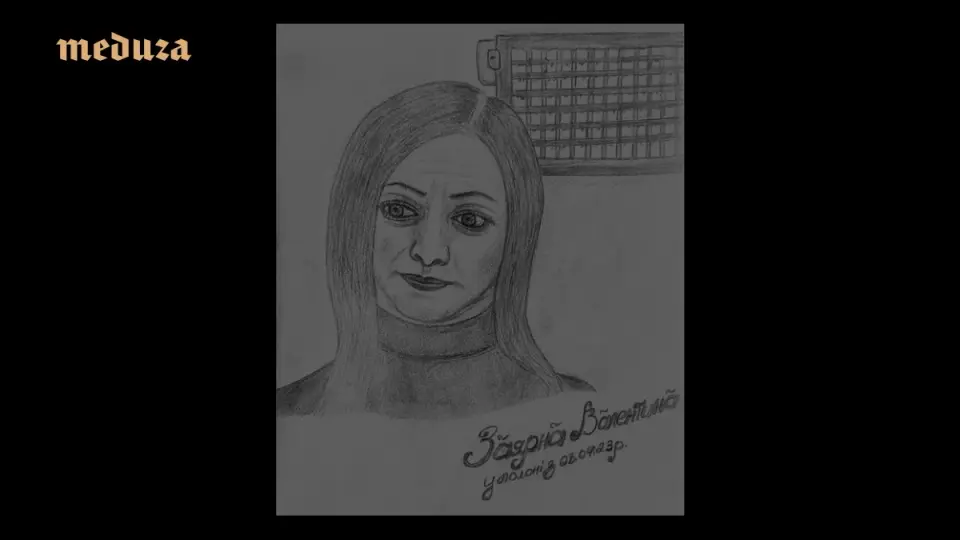
The New Yorker published an investigative report on Ukrainian women held in Rostov pretrial detention center No. 1, highlighting the stark contrast between military prisoners who are exchanged and civilians who remain captive. The article profiles two women, Valentina Zayarnaya and Natalia Vlasova, detailing their arrests, torture, and ongoing detention. While Zayarnaya was imprisoned for helping a former soldier escape occupied territory, Vlasova was detained for allegedly spying for Ukraine. Both women face long prison sentences despite claims of coerced confessions and brutal interrogation tactics, including electric shocks and physical abuse. The report underscores that civilian detainees have little hope of release, as Russia refuses to trade them for military prisoners, citing domestic court rulings rather than international humanitarian law.
Key points
- At least 1,878 Ukrainian civilians are currently held by Russia, with 223 being women; these numbers represent only confirmed cases, and the actual figure is likely higher.
- Valentina Zayarnaya, a 66-year-old English teacher, was sentenced to 12 years for assisting Denys Storozhuk, a former Ukrainian border guard, in escaping Mariupol and occupied Donetsk.
- Natalia Vlasova, 44, has been detained for over seven years after being accused of spying for Ukraine; she was sentenced to 18 years despite recanting a confession obtained under torture.
- Vlasova was tortured at Izolyatsia, a secret prison in Donetsk, by officials including Vasily Yevdokimov, who she identified as her torturer; the torture included electric shocks and physical mutilation.
- Unlike military prisoners, civilian detainees are not subject to prisoner exchanges, leaving them in indefinite custody despite Ukraine’s insistence that their detention violates the Geneva Conventions.
Background
This report follows earlier coverage of international human rights violations and the ongoing conflict in Ukraine. The situation of Ukrainian civilians in Russian custody has been a persistent issue since 2014, intensifying after the full-scale invasion in 2022. Previous reports have highlighted the use of secret prisons and torture in occupied territories, but this New Yorker piece provides specific, detailed accounts from current detainees. The archive does not contain related background on this specific topic, but the broader context of the war and its humanitarian impact remains relevant.
Why it matters
The detention of Ukrainian civilians in Russia highlights the severe humanitarian crisis and the failure of international mechanisms to secure their release. The detailed accounts of torture and the lack of hope for exchange underscore the systemic abuse faced by these individuals. This story draws attention to the legal and moral implications of detaining civilians, challenging Russia’s justification of their detention under domestic law. It also emphasizes the need for international pressure to secure the release of these detainees and hold perpetrators of torture accountable.
What to watch
Ukraine is likely to continue advocating for the release of civilian detainees through diplomatic channels, citing violations of the Geneva Conventions. International human rights organizations may use this report to push for investigations into the torture and detention of Ukrainian civilians. The case of Natalia Vlasova and Valentina Zayarnaya may become focal points in discussions about prisoner exchanges, although Russia’s refusal to trade civilians for military prisoners suggests limited progress in the near term. Further reporting may emerge on the conditions in Rostov pretrial detention center No. 1 and other facilities holding Ukrainian civilians.
Want the full story? Read the original reporting
Read on Meduza