
G20 Atlanta Meeting Fractures as Kallas Denounces Lavrov and US Delays Patriot Delivery
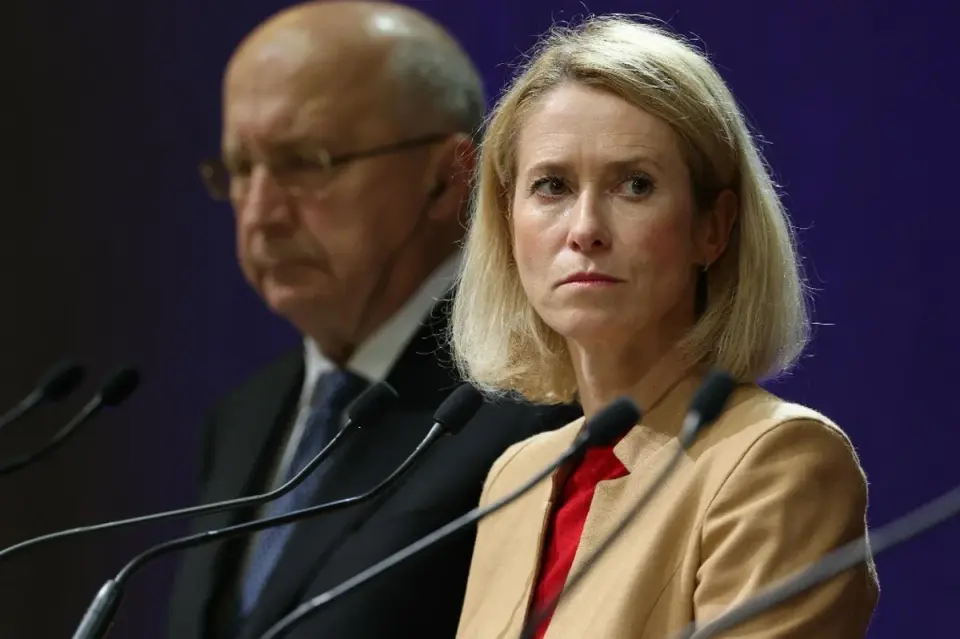
EU foreign policy chief Kaja Kallas accused Russian Foreign Minister Sergey Lavrov of spreading 'lies' during a contentious G20 meeting in Atlanta. European diplomats refused a group photo with Lavrov, while the US approved 500 Patriot interceptors for Ukraine but warned delivery could take years. Lavrov criticized Europe's 'boycott' and praised US engagement, highlighting deep diplomatic divisions ahead of a December summit.
Key points
- Kaja Kallas stated Lavrov presented 'a lot of lies' and false narratives regarding Ukraine and the Middle East during the G20 ministerial meeting in Atlanta, Georgia, on October 30-31, 2026.
- European diplomats refused to pose for a traditional group photo with Lavrov, leading US organizers to cancel the session; Lavrov later criticized this as an 'arrogant boycott' while praising US willingness to engage with Moscow.
- Lavrov objected to Poland's participation in the G20, claiming it violated diplomatic principles, but US Secretary of State Marco Rubio defended Poland's seat, stating President Trump believes Warsaw deserves a place at the table of global leaders.
- The US State Department approved a package of 500 Patriot PAC-3 interceptors worth $2.1 billion for Ukraine, but President Volodymyr Zelenskyy warned that delivery may not begin for years, urging faster support amid ongoing Russian attacks.
- British Foreign Minister Ed Miliband confronted Lavrov, telling him to have the courage to inform Vladimir Putin that Russia will not win the war, and cited a recent attack on a Dnipro railway that killed 15 people as evidence of Moscow's aggression.
Background
This meeting occurred ahead of a full G20 leaders' summit scheduled for December in Miami. Recent archive coverage indicates that Kallas has previously warned that Putin's potential attendance at the December summit risks normalizing Russian war crimes. Earlier reports also noted that four former leaders called on the EU to seize €210 billion in frozen Russian assets to fund Ukraine, reflecting ongoing tensions over financial support and diplomatic isolation of Russia.
How outlets are covering it
The Kyiv Post and Euronews emphasize the sharp verbal clashes, with Kallas explicitly labeling Lavrov's statements as 'lies' and 'false narratives.' The New York Times focuses on the procedural breakdown, highlighting the cancellation of the group photo due to European diplomats' refusal to pose with Lavrov. While the Kyiv Post notes Lavrov's criticism of Poland's inclusion, the US State Department's perspective, via Rubio, strongly supports Poland's participation. Euronews adds the dimension of the Patriot interceptor approval, contrasting the US's financial commitment with Zelenskyy's concern over the delayed timeline. The sources generally agree on the factual occurrence of the photo cancellation and the verbal confrontations, but differ in emphasis: European outlets focus on the moral and diplomatic rebuke, while US-focused reporting highlights the strategic engagement and defense aid.
Why it matters
The meeting underscores the deepening diplomatic rift between the US and Europe regarding how to engage with Russia. The US's willingness to engage with Lavrov and support Poland's G20 seat contrasts with Europe's refusal to participate in symbolic gestures with Russian officials. The delayed delivery of Patriot interceptors, despite approval, raises concerns about the practical impact of US support for Ukraine's defense in the immediate term. These divisions may affect the outcome of the December G20 summit and the broader strategy for managing the Ukraine conflict and global economic policy.
What to watch
The G20 leaders' summit is scheduled for December in Miami, where the tensions exposed in Atlanta may resurface. The timeline for the delivery of the 500 Patriot interceptors to Ukraine remains a critical variable, with Zelenskyy urging faster deployment. The US midterm elections, occurring just days after the Atlanta meeting, will determine the balance of power in Congress for President Trump's final two years, potentially influencing future foreign policy decisions regarding Ukraine and Russia. Further diplomatic engagements may focus on securing a ceasefire in the Black Sea, as European officials reportedly pressured Moscow on this issue during the Atlanta talks.
- Kallas Rebukes Lavrov Over ‘Lies’ and Falsehoods at G20 Kyiv Post
- Distaste for Russian Diplomat Forces U.S. to Cancel Photo Session in Atlanta The New York Times
- 'A lot of lies': Kaja Kallas criticises Lavrov following G20 meetings Euronews.com
- European diplomats shun Russia at G20 gathering in the US DW.com
- Secretary Rubio’s Travel to Atlanta to Host the G20 Foreign Ministers’ Meeting, October 30-31, 2026 U.S. Department of State (.gov)
Want the full story? Read the original reporting
Read on Kyiv Post