
Oleshky Evacuation Ceasefire Set for Oct 29 Amid Winter Survival Crisis
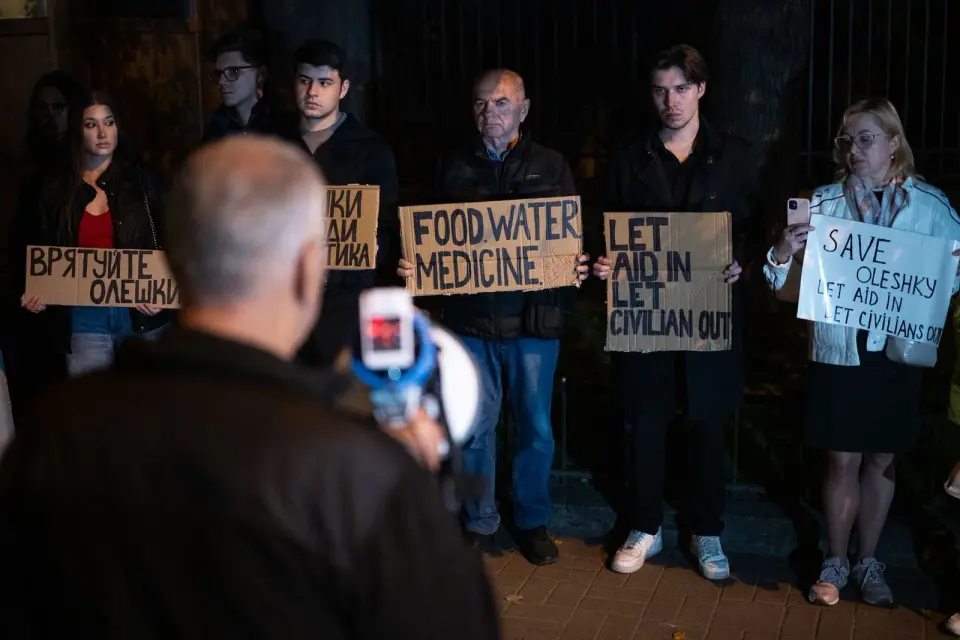
A ceasefire mediated by U.S. First Lady Melania Trump is set for October 29 to allow humanitarian aid and civilian evacuation from Russian-occupied Oleshky, Kherson Oblast. Ukrainian forces have delivered over four tons of aid via drones, but residents face severe shortages of food, fuel, and power as winter approaches. Simultaneously, Russian-occupied Crimea faces rolling blackouts after Ukrainian strikes on energy infrastructure, and Moscow intensifies pressure on residents refusing Russian passports.
Key points
- Ukraine’s human rights ombudsman Dmytro Lubinets confirmed a ceasefire agreement for Oleshky, mediated by Melania Trump, to facilitate aid delivery and civilian evacuation on October 29.
- Ukrainian military units delivered over four tons of humanitarian aid to Oleshky via drones, including 600 kg of baby food, milk, and toys, though residents report severe food and fuel shortages.
- Russian-occupied Crimea imposed rolling power and water restrictions on October 24 following Ukrainian drone strikes on the Taman substation in Krasnodar Krai, leaving major cities like Sevastopol without electricity.
- A Russian court sentenced 77-year-old Crimean activist Volodymyr Ananiev to 18 years in prison over an alleged plot against proxy governor Sergei Aksyonov.
- Ukraine’s military intelligence reported that Russian forces launched 'Illegal-2026' raids in early October to pressure residents in occupied territories to obtain Russian passports, threatening expulsion and property seizure.
Background
Oleshky has been under Russian occupation since the early days of the full-scale invasion, with residents facing severe shortages of food, water, and electricity. Previous attempts to evacuate civilians have been hindered by mined roads and drone attacks. In spring 2026, volunteers managed to help some residents leave via multi-day trips through Russia and Belarus, but recent Russian attacks and mines have made organized evacuation nearly impossible. The town’s humanitarian crisis has gained international attention, including from Pope Leo XIV, who discussed the situation with President Zelensky.
How outlets are covering it
The Kyiv Independent emphasizes the dire conditions in Oleshky, citing a resident’s warning that people 'won't survive this winter' due to food and fuel shortages. It highlights concerns that Russian authorities may block the evacuation, using civilians as human shields. Ukrinform focuses on the scale of Ukrainian aid deliveries, noting that over four tons of supplies have reached the town, but stresses that residents lack money and cannot buy food. It also points out that Russian forces are using civilians as cover to prevent Ukrainian strikes on Kherson. Українська правда highlights the specific delivery of baby food and toys to families with children, emphasizing the plight of those born under occupation. The Lufkin Daily News provides no substantive news content, only a login and registration interface, and thus offers no perspective on the story.
Why it matters
The potential evacuation of Oleshky represents a critical test of humanitarian access in occupied Ukrainian territories. Success could set a precedent for future evacuations, while failure would leave thousands facing a potentially fatal winter. The crisis also highlights the broader strategy of Russian occupation, including forced passportization and the use of civilians as human shields, which complicates military operations and humanitarian efforts. The power outages in Crimea underscore the impact of Ukrainian strikes on Russian infrastructure, potentially affecting the war effort and civilian life in occupied regions.
What to watch
The ceasefire and humanitarian operation in Oleshky are scheduled for October 29. Ukrainian forces plan to continue delivering aid via drones, despite risks to operators. Russian authorities may attempt to block the evacuation or use propaganda to discredit those who leave. In Crimea, repairs to the Taman substation are underway, but rolling blackouts are expected to continue. The situation in occupied territories will likely see increased pressure on residents to obtain Russian passports, with potential consequences for those who refuse.
- News from occupied Ukraine: Former Oleshky resident warns people 'won't survive this winter' The Kyiv Independent
- Ukrainian troops deliver 4+ tons of humanitarian aid to residents trapped in Oleshky Ukrinform
- Ukraine's National Guard delivers over 600 kg of baby food and toys to Russian-occupied Oleshky by drones – photos Українська правда
- European Parliament vice-president agrees to end hunger strike over Oleshky Yahoo
- FILE PHOTO: Drone footage shows destruction in the Russian occupied city of Oleshky The Lufkin Daily News
Want the full story? Read the original reporting
Read on The Kyiv Independent