
Oleshky humanitarian crisis deepens as Council of Europe demands ceasefire amid starvation
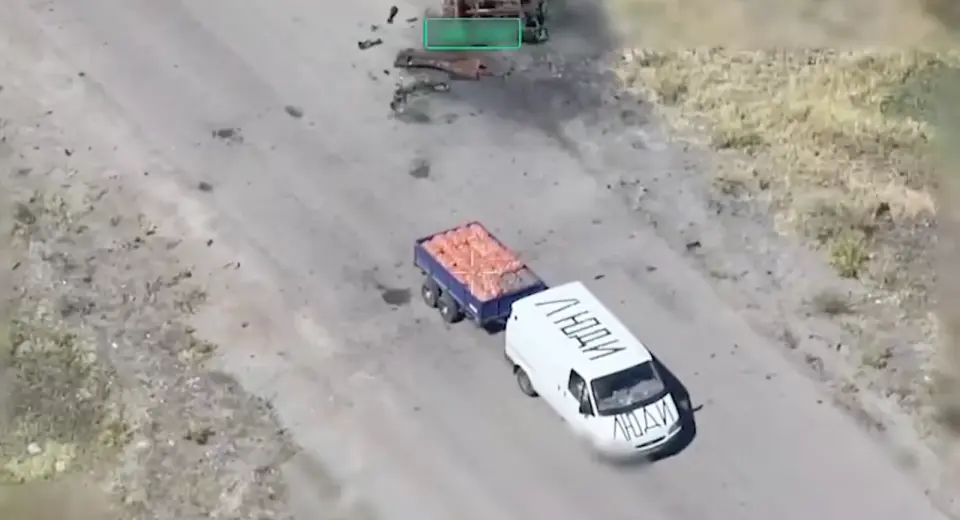
The humanitarian situation in Russian-occupied Oleshky, Kherson Oblast, has reached a critical state, prompting Council of Europe human rights commissioner Michael O'Flaherty to call for an immediate local ceasefire and unhindered aid access. Residents, numbering approximately 6,000 including 200 children, face severe shortages of food, water, and electricity, with some resorting to eating garden weeds. The last successful food delivery was in May, and subsequent attempts were disrupted by drone attacks. While Ukraine and international bodies urge action, Russia has not confirmed readiness for evacuation missions. Concurrently, Ukraine reported the return of 23 children from occupied zones, and the US allocated $27 million to support the repatriation of forcibly deported Ukrainian minors.
Key points
- Council of Europe commissioner Michael O'Flaherty described the situation in Oleshky as 'alarming' and demanded an immediate ceasefire to allow humanitarian relief and civilian evacuation.
- Residents in Oleshky are surviving on garden weeds and grass after the last successful food delivery in May 2026; subsequent attempts in June and September were disrupted by Russian drone attacks.
- Ukraine’s General Staff reported strikes on Russian radar stations, drone storage sites, and fuel depots in occupied Donetsk and Zaporizhzhia oblasts on Sept. 23-24.
- The US State Department announced $27 million in funding to identify, return, and reintegrate Ukrainian children forcibly deported to Russia, with 20,610 cases officially confirmed by Ukraine’s Justice Ministry.
- Ukraine reported bringing back 23 children from occupied territories, including a 17-year-old forced to attend a Russian school under threat.
Background
Oleshky has been under Russian occupation since 2022, and its infrastructure was further degraded by the 2023 destruction of the Kakhovka Dam. Previous coverage highlighted the collapse of basic utilities and the growing isolation of the city. This week’s developments mark a sharp escalation in the humanitarian emergency, with international bodies now explicitly calling for a ceasefire to facilitate aid, a shift from previous diplomatic statements.
How outlets are covering it
The Kyiv Independent and BBC both emphasize the severity of the blockade, with the BBC detailing residents eating weeds and the difficulty of burying the dead due to Russian restrictions. The Kyiv Independent highlights the diplomatic pressure from the Council of Europe and the US funding for child repatriation. Ukrainian Pravda focuses on the Foreign Minister’s call for international action and the specific detail of residents eating grass. While all sources agree on the dire conditions, the Kyiv Independent provides more detail on the military strikes against Russian infrastructure, whereas the BBC offers more granular accounts of civilian suffering and death tolls estimated by local volunteers.
Why it matters
The situation in Oleshky serves as a focal point for the broader humanitarian crisis in occupied Ukraine, testing the limits of international humanitarian law and diplomatic pressure. The call for a ceasefire by the Council of Europe signals a potential shift in international engagement, while the US funding for child repatriation underscores the long-term demographic and cultural impact of the conflict. The ongoing blockade and drone attacks highlight the challenges of delivering aid in active conflict zones and the use of civilians as shields by occupying forces.
What to watch
Ukraine continues to press Russia to allow evacuation and humanitarian access, maintaining contact with the ICRC. The US is in the process of granting the $27 million in funding, with $12 million already allocated and $15 million to follow. International attention is expected to increase as winter approaches, potentially influencing diplomatic negotiations and military operations in the region.
- News from occupied Ukraine: Oleshky crisis continues, Europe's human rights chief calls for 'immediate local ceasefire' The Kyiv Independent
- 'The blockade is complete': Locals flee occupied south Ukraine as hunger deepens ABC News - Breaking News, Latest News and Videos
- Oleshky: Eating garden weeds to survive in Russian-occupied city cut off from food and water BBC
- Ukraine sounds alarm over situation in Oleshky, where people are eating grass due to hunger Українська правда
- 'Nothing left to eat' — Sybiha urges partners to act on Oleshky humanitarian crisis The Kyiv Independent
Want the full story? Read the original reporting
Read on The Kyiv Independent