
Burnham pledges no EU rejoin without referendum, but critics warn of '2015' return
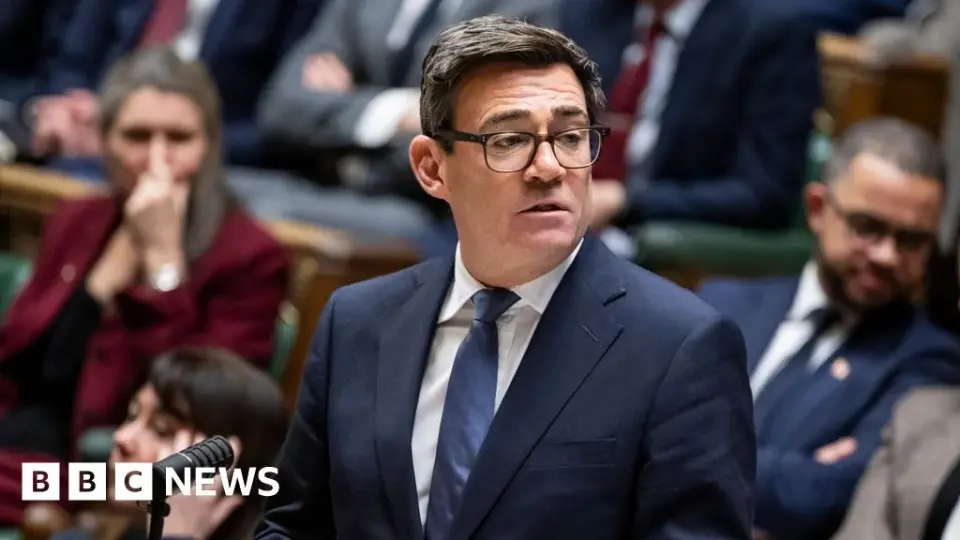
UK Prime Minister Andy Burnham told the House of Commons that it would be 'unthinkable' to rejoin the EU without a referendum, describing his new Brussels agreements as a 'pragmatic' step rather than a prelude to full integration. While Burnham ruled out major changes before the 2029 general election, he signaled openness to future options, including rejoining the single market or customs union. The move has drawn sharp criticism from former prime ministers and Conservative leaders, who accuse him of reversing the 2016 democratic mandate and 'overselling' the deal. Burnham dismissed these warnings, labeling his predecessors as 'stuck in the past' and arguing that the UK must adapt to a changing European landscape.
Key points
- Burnham stated in the Commons that rejoining the EU without a referendum would be 'unthinkable', offering his strongest commitment yet to a public vote on such a move.
- The new deal, signed at a summit on Friday, covers British food exports, emissions trading, and a youth mobility scheme, which Burnham described as a 'landmark moment' for lowering the cost of living.
- Burnham ruled out major changes to the UK-EU relationship before the next general election, adhering to Labour's 2024 manifesto pledge not to return to the single market or customs union immediately.
- Conservative leader Kemi Badenoch accused Burnham of 'overselling' the deal and attempting to take Britain back to 2015, while former PMs Theresa May, David Cameron, and Rishi Sunak warned against reopening the Brexit debate.
- Burnham dismissed criticism from former leaders, calling them 'stuck in the past' and arguing that the UK must pursue a 'pragmatic' approach to its largest market despite the 2016 vote.
Background
This development follows a series of 'reset' agreements between the UK and EU in November 2026, which included a 'brainstorming' process for long-term ties. Earlier coverage noted that the deal's implementation is contingent on the UK aligning tuition fees for European students, a point of contention that has stalled parts of the agreement. The current parliamentary debate is part of a broader 'Brexitential' question regarding how far Burnham intends to go in reversing the 2016 decision, with internal Labour divisions over the political wisdom of reopening the issue.
How outlets are covering it
BBC and The Guardian report that Burnham is framing the new agreements as 'pragmatic' and 'not a prelude to anything,' emphasizing that any future move to rejoin would require a referendum. In contrast, Conservative leader Kemi Badenoch and former prime ministers like Theresa May and David Cameron argue that the deal is a 'prelude' to full reintegration and a violation of the 2016 democratic mandate. Politico highlights internal tensions within Burnham's own Labour Party, noting that while the PM has slowed his rhetoric to 'informal brainstorming' to appease skeptical ministers, many within his cabinet remain wary of the political risks in working-class heartlands. NBC News frames the move as an attempt to rewrite Brexit in the face of economic pain and security threats, while The Guardian notes that EU officials have signaled the deal is conditional on the UK lowering tuition fees for European students.
Why it matters
The outcome of these negotiations could fundamentally reshape the UK's economic and political relationship with its largest trading partner. If Burnham proceeds with a 'national debate' on long-term ties, it could trigger a new wave of political polarization similar to the 2016 referendum. The deal's success also hinges on resolving the tuition fee deadlock, which could impact the UK's higher education sector and its standing with the EU. Furthermore, the internal divisions within the Labour Party over this issue may influence the government's stability and its ability to deliver on other manifesto commitments before the 2029 general election.
What to watch
Burnham is expected to publish a 10-year 'plan for Britain' next month, which will outline the 'range of options' for the UK's long-term relationship with the EU. The legal text of the current deal is expected to be presented to the Commons this week, potentially including a clause penalizing the UK if it reneges on the agreement. Further discussions on the EU's 'Made in Europe' scheme and electricity market are anticipated, with results likely to emerge around the next UK-EU summit, expected in the summer of 2027. The government will also continue to navigate the tuition fee issue, which is a key condition for the full implementation of the current agreements.
- My approach to EU is pragmatic, says Burnham BBC
- Burnham says it would be ‘unthinkable’ to rejoin EU without referendum The Guardian
- Facing economic pain and Russia threats, U.K.’s Burnham looks to rewrite Brexit with new deal NBC News
- The question gripping British politics Politico
- Andy Burnham’s EU deal is only a start The Economist
Want the full story? Read the original reporting
Read on BBC