
Sudan's Grid Fails as RSF Drone Strikes Leave Merowe Dam as Sole Major Power Source
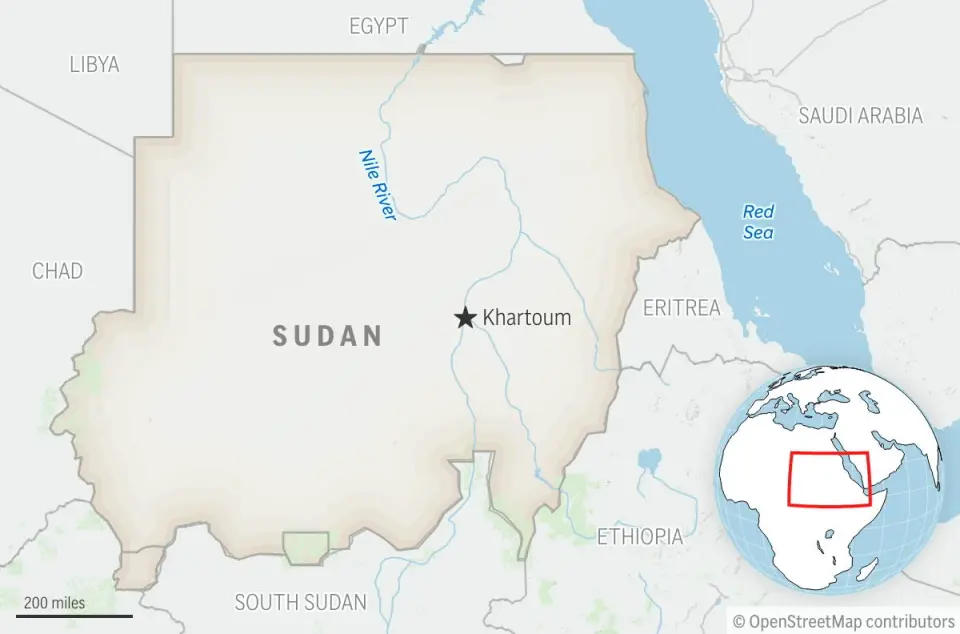
Sudan’s national power grid is on the brink of collapse after a week of drone strikes targeted electricity substations in army-held areas. The attacks, blamed on the paramilitary Rapid Support Forces (RSF), have left the country dependent on the Merowe Dam for over 70% of its electricity. Critical infrastructure in Northern and River Nile states has been destroyed, causing widespread blackouts that threaten hospitals, water supplies, and agricultural irrigation.
Key points
- Fifteen substations have been targeted since early October, according to the rights group Emergency Lawyers, leaving the national grid reliant on a few remaining plants.
- The Merowe Dam, with a capacity of 1,250 megawatts, is now the last major source of electricity, providing more than 70% of the country's power.
- Drone strikes on Sunday destroyed substations in Al-Dabbah and Abu Hamad, leaving both towns without power and killing one substation guard in Al-Dabbah.
- The Sudan Doctors Network warns that outages endanger hospitals, dialysis centers, and blood banks, while also threatening the cold storage required for medicines and vaccines.
- Sudan’s Foreign Ministry accused the United Arab Emirates of supplying the drones and Ethiopia of launching them, though the UAE has denied arming the RSF.
- Production capacity has fallen from 4,400 megawatts before the war to 1,100 megawatts, with the Um Dabakir thermal plant, the country's largest at 500 megawatts, shut down after a late Wednesday attack.
Background
This crisis follows a broader escalation in drone warfare across Sudan, including a late October strike on a Nyala market that killed over 100 people and simultaneous attacks on eastern power stations. The current infrastructure collapse exacerbates existing humanitarian issues, including the displacement of 13 million people and famine risks in parts of the country. While global attention has recently focused on energy grid attacks in Ukraine, Sudan faces a unique vulnerability where the destruction of thermal and substation infrastructure has concentrated nearly all remaining power generation into a single hydroelectric source.
Why it matters
The collapse of Sudan’s power grid threatens to deepen the humanitarian crisis by disrupting medical services, water purification, and food production. With the Merowe Dam now the sole major power source, any further damage to this facility could trigger a total national blackout. The reliance on costly alternatives like solar panels, which cost nearly $5,000 per household, excludes most families from basic energy access, potentially leading to increased instability and economic hardship in already war-torn regions.
What to watch
Authorities and aid groups will likely monitor the status of the Merowe Dam and other remaining hydroelectric plants, which produce no more than 100 megawatts combined. Residents may continue to face prolonged blackouts as diesel supplies run out, forcing businesses and hospitals to shut down. International observers will watch for responses from the UAE and Ethiopia regarding the alleged supply and launch of the drones, while the RSF remains unresponsive to requests for comment.
Want the full story? Read the original reporting
Read on AP News