
Russia Seizes 77 Hotels in Occupied Zaporizhzhia via 'Ownerless' Property Scheme
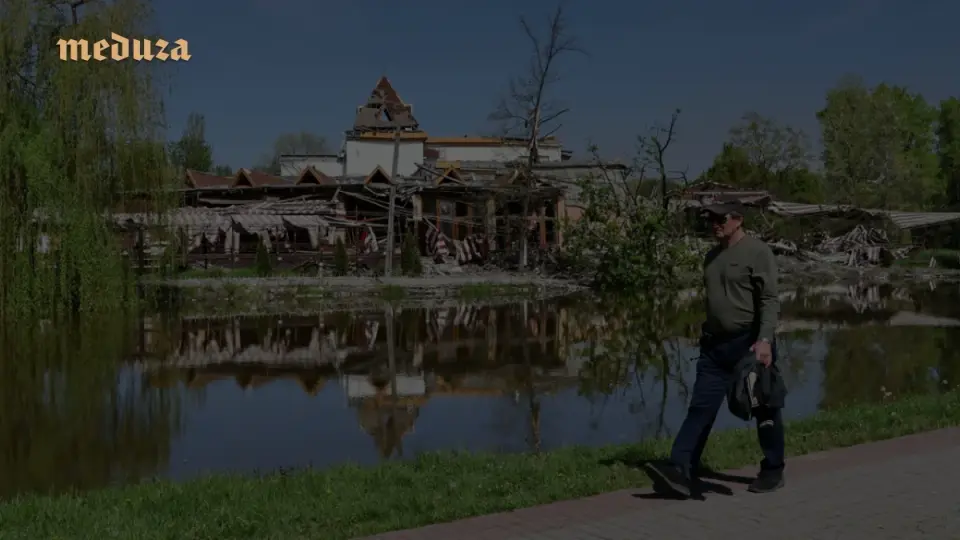
Russian authorities in occupied Zaporizhzhia have declared over 7,000 private and commercial properties 'ownerless,' including 521 hotels and resort complexes. At least 77 of these hotel properties have already changed hands, with 20 transferred to government entities. Ukrainian citizens must obtain Russian citizenship to confirm property rights, a process Ukraine's Foreign Ministry calls a 'legal smokescreen' for state-organized theft. One Ukrainian hotelier, Denys Katyukha, is fighting to reclaim his seized Admiral hotel on the Sea of Azov, which was transferred to a Russian state organization within nine days of his refusal to register under occupation. A Ukrainian court awarded Katyukha $5.1 million in damages, but Russia does not recognize Ukrainian jurisdiction. Katyukha has also filed a claim with the Register of Damage for Ukraine in The Hague, which currently processes over 195,000 claims but lacks a payout mechanism.
Key points
- Russian authorities declared more than 7,000 private and commercial properties in the occupied Zaporizhzhia region 'ownerless,' including 521 hotels and resort complexes.
- At least 77 of the seized hotel properties have changed hands, with 20 transferred to government entities.
- Ukrainian citizens can only confirm property rights in occupied territories by obtaining Russian citizenship, a requirement Ukraine's Foreign Ministry describes as a 'legal smokescreen' for state-organized theft.
- Denys Katyukha, a Ukrainian entrepreneur, had his Admiral hotel on the Sea of Azov seized by Russian authorities after he refused to register his ownership within three days in 2022.
- The Admiral hotel, a 100-room property with a restaurant, three bars, and a pool, was transferred to the Russian state organization 'Resorts of Zaporizhzhia Region' nine days after Katyukha's refusal.
- A Ukrainian court ordered Russia to pay $5.1 million in damages to Katyukha, but Russia does not recognize Ukrainian court jurisdiction, making compensation unlikely.
Background
This property seizure scheme is part of a broader pattern of coercive control in Russian-occupied territories, as noted in our October 2026 coverage of Oleshky, where Russia used legal loopholes to evict residents and intensify cultural assimilation. The current seizure of hotels in Zaporizhzhia mirrors these tactics, using legal frameworks to legitimize the transfer of Ukrainian assets to Russian state entities. This follows earlier reports of Russia targeting Ukrainian infrastructure and using legal mechanisms to consolidate control in occupied zones.
Why it matters
The seizure of hundreds of hotels and commercial properties in occupied Zaporizhzhia represents a systematic effort by Russian authorities to expropriate Ukrainian assets and consolidate economic control in occupied territories. This scheme, which requires Ukrainian citizens to obtain Russian citizenship to confirm property rights, is a tool of coercion that undermines Ukrainian sovereignty and property rights. The case of Denys Katyukha highlights the personal and financial impact of these seizures, as well as the challenges faced by Ukrainian citizens in seeking justice and compensation through international mechanisms. The Register of Damage for Ukraine in The Hague, while documenting the scale of damage, lacks a payout mechanism, leaving victims without immediate recourse. This situation underscores the broader struggle of Ukrainian citizens to protect their assets and seek justice in the face of Russian occupation and legal manipulation.
What to watch
The Register of Damage for Ukraine in The Hague is expected to receive between 6 million and 8 million claims, but a mechanism for paying out compensation has not yet been created. Ukrainian citizens in occupied territories will continue to face pressure to obtain Russian citizenship to confirm property rights, with more properties likely to be declared 'ownerless' and transferred to Russian state entities. International efforts to hold Russia accountable for property seizures and war damages will likely intensify, but the lack of a payout mechanism for the Register of Damage means that compensation for victims like Denys Katyukha remains uncertain. The situation in occupied Zaporizhzhia will likely remain tense, with continued legal and economic coercion by Russian authorities.
Want the full story? Read the original reporting
Read on Meduza