
Ethiopia’s Tigray conflict shifts from conventional war to protracted insurgency amid humanitarian collapse
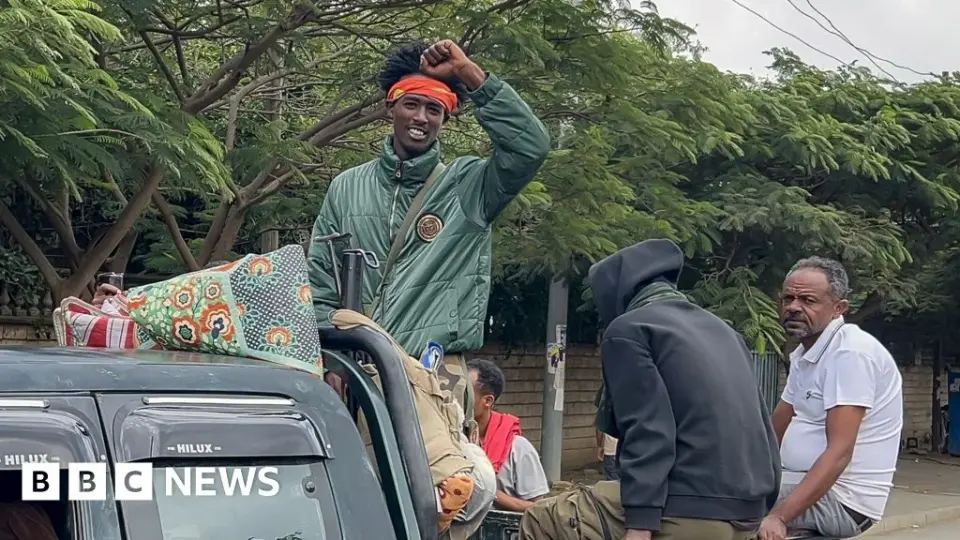
Federal forces have captured Tigray’s capital, Mekelle, but the conflict with the Tigray People’s Liberation Front (TPLF) remains unresolved. While the government declares the war over, the TPLF claims a strategic withdrawal, and fighting continues in northern and central Tigray. The 2022 Pretoria peace agreement has collapsed, leading to a humanitarian crisis with severe healthcare shortages and displacement. Analysts debate whether the TPLF can sustain a guerrilla campaign or if the conflict will escalate into a wider regional war involving Eritrea and other rebel groups.
Key points
- Federal forces entered Mekelle in late September 2026 after the TPLF withdrew, but fighting persists in northern and central Tigray, including near the Eritrean border at Sheraro.
- The TPLF describes its retreat as a tactical maneuver to fight on favorable terrain, while the Ethiopian government claims the war is effectively over and focuses on stabilizing the region.
- Healthcare systems in Tigray are collapsing due to supply shortages, unpaid staff, and attacks on medical facilities, with WHO warning that the conflict is pushing the system to the brink.
- A new rebel coalition, the Alliance for Survival, formed in September 2026, unites the TPLF with six other opposition groups, including the Oromo Liberation Army and Amhara Fano, aiming to oust Prime Minister Abiy Ahmed.
- Eritrean troops were observed in Tigray in early October but appear to have withdrawn; Ethiopia and Eritrea severed diplomatic ties, with Abiy Ahmed claiming the Red Sea port of Assab.
- Displaced families in Western Tigray remain in temporary shelters years after the 2020-2022 war, with unresolved territorial disputes and lack of basic necessities prolonging their displacement.
Background
The current conflict is a resumption of the 2020-2022 Tigray war, which ended with the Pretoria agreement in November 2022. That agreement promised to restore Tigray’s borders, disarm the TPLF, and establish transitional justice, but implementation stalled. The federal government revoked the TPLF’s legal status in May 2025 and resumed drone strikes, leading to the current escalation. The 2020-2022 war resulted in an estimated 500,000 to 600,000 deaths and widespread human rights abuses, including ethnic cleansing in Western Tigray.
How outlets are covering it
BBC and Al Jazeera report that while federal forces control major cities, fighting continues in rural areas, and the TPLF denies defeat, claiming a strategic withdrawal. New Left Review argues the conflict is part of a broader struggle against Abiy Ahmed’s centralized rule, with the rebel alliance uniting former enemies but facing internal tensions. NPR emphasizes the humanitarian impact, highlighting the collapse of healthcare and the personal toll on Tigrayan residents. Analysts like Cameron Hudson view the TPLF as weakened and unlikely to sustain a major war, while Yared Tibebu believes the TPLF’s history of resilience could lead to a prolonged insurgency. The Ethiopian government frames the conflict as a security operation to clear TPLF elements, while the TPLF and its allies frame it as a resistance against authoritarian rule.
Why it matters
The unresolved conflict in Tigray threatens to destabilize Ethiopia and the wider Horn of Africa. The collapse of the Pretoria agreement and the formation of a broad rebel alliance could lead to a multi-front war, involving Eritrea, Sudan, and other regional powers. The humanitarian crisis, including healthcare collapse and displacement, exacerbates suffering and could fuel further instability. The conflict also highlights the failure of international peace efforts and the risks of external interference, with UAE and Eritrean support influencing the outcome. A prolonged conflict could undermine Abiy Ahmed’s ambitions for regional dominance and threaten Red Sea security.
What to watch
The conflict is likely to continue as a low-level insurgency or guerrilla campaign, with the TPLF attempting to reorganize and launch counteroffensives. The federal government may focus on stabilizing Tigray and implementing a caretaker administration, but political disputes remain unresolved. International attention may increase if the conflict escalates or if Eritrea re-engages militarily. Humanitarian aid efforts will be critical to prevent further collapse of healthcare and basic services. The outcome of the rebel alliance’s coordination and the role of external actors like the UAE and Eritrea will determine whether the conflict remains contained or expands into a wider regional war.
- Ethiopia's Tigray conflict: Has Abiy Ahmed defeated the TPLF? BBC
- S. Assefa, Myriad War — Sidecar New Left Review
- Seven days of chaos in the ER: How this country's healthcare system is unraveling NPR
- Tigray displaced families fear renewed war as hopes of returning home fade Al Jazeera
- Ethiopia War Security Review, November 10, 2026 Critical Threats
Want the full story? Read the original reporting
Read on BBC