
Merz pledges €1.3bn aid in Kyiv as Russia intensifies strikes on bridges
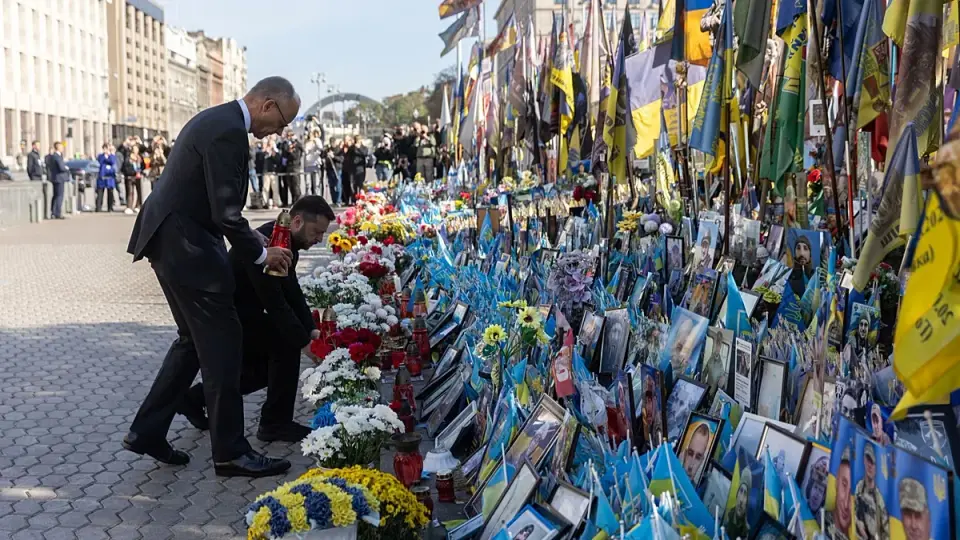
German Chancellor Friedrich Merz visited Kyiv on Sunday to announce a €1.3 billion aid package, including €1 billion for military equipment and €350 million for energy repairs. The visit coincided with intensified Russian attacks on Ukrainian infrastructure, including the fourth consecutive strike on Kyiv’s Northern Bridge. Merz emphasized that supporting Ukraine is vital for European security, while Ukrainian President Volodymyr Zelenskyy confirmed the aid and noted potential Russian technology sharing with North Korea.
Key points
- Merz announced €1.3 billion in aid, split between €1 billion for military support (including joint drone production) and €350 million for energy sector repairs.
- German officials reported 14 agreements signed with Ukraine worth approximately €6.6 billion, involving companies like Diehl Defence and Hensoldt.
- Russian drones struck Kyiv’s Northern Bridge for the fourth consecutive day, injuring two people and disrupting traffic, while airstrikes hit Kharkiv, killing one person.
- EU Ambassador Katarína Mathernová defied Moscow’s warnings to leave, stating 'We are staying' as diplomats remained in the capital despite escalating bombardment.
- Zelenskyy suggested Russia may be sharing jet-drone technology with North Korea, citing previous artillery and missile exchanges between the two nations.
Background
This visit follows previous coverage from October 4-5, 2026, which detailed Merz’s initial pledge of the same €1.3 billion package amidst Russian vows to escalate strikes on Kyiv infrastructure. Earlier reports highlighted Zelenskyy’s vow to target Russian oil refineries in retaliation for attacks on Ukrainian energy systems, a move Moscow blamed for the escalation. The current briefing confirms the continuity of these events, with the aid package and diplomatic presence persisting despite the intensified aerial war.
How outlets are covering it
Euronews frames Merz’s visit as a show of solidarity and a message to Moscow, highlighting the defiance of EU diplomats like Mathernová and linking the visit to broader energy crisis discussions involving the G7. The Guardian focuses on the specific financial details, noting the €1 billion military allocation and €350 million for energy, and emphasizes the strategic implications of joint drone production. While both sources agree on the aid amount and the intensity of Russian strikes, Euronews contextualizes the visit within diplomatic tensions, including a contentious meeting between German and Russian foreign ministers, whereas The Guardian highlights Zelenskyy’s concerns about Russian-North Korean technology sharing and India’s role in peace talks.
Why it matters
The €1.3 billion package signals sustained Western commitment to Ukraine’s defense and energy resilience despite escalating Russian attacks on critical infrastructure. The joint production of anti-drone interceptors addresses a key vulnerability in Ukraine’s air defense, while the energy repairs aim to mitigate winter impacts. The defiance of European diplomats in Kyiv underscores the geopolitical stakes, as Moscow’s warnings to leave are met with continued presence, signaling a refusal to yield to pressure. This development also highlights the broader European security implications, as Merz argued that stopping Russia is essential for Europe’s own safety.
What to watch
Germany is expected to proceed with the joint production of drones and the implementation of the 14 signed agreements worth €6.6 billion. Russia has vowed to continue intensifying strikes on Ukrainian infrastructure, particularly bridges and energy facilities, as winter approaches. Diplomatic efforts may continue, with India seeking a greater role in brokering peace talks, and the US potentially holding new rounds of negotiations by the end of October. The situation in Kyiv and other Ukrainian cities will likely remain volatile, with ongoing attacks on civilian and military targets.
- Merz and Mathernová send a message to Moscow from Kyiv Euronews.com
- Ukraine war briefing: Germany’s Merz pledges €1bn in military aid to Kyiv as Russia ramps up attacks The Guardian
- Merz unveils fresh military aid in Kyiv, says Germany won't be intimidated reuters.com
- Europe Today: Russia hits Kyiv as Merz visits; Bolsonaro wins Brazil's first round election Euronews.com
- Germany's chancellor arrives in Kyiv on unannounced visit to pledge more military support to Ukraine DW.com
Want the full story? Read the original reporting
Read on Euronews.com