
Ukraine Strikes Russian Corvette in Gulf of Finland Amid Oil Port Attacks
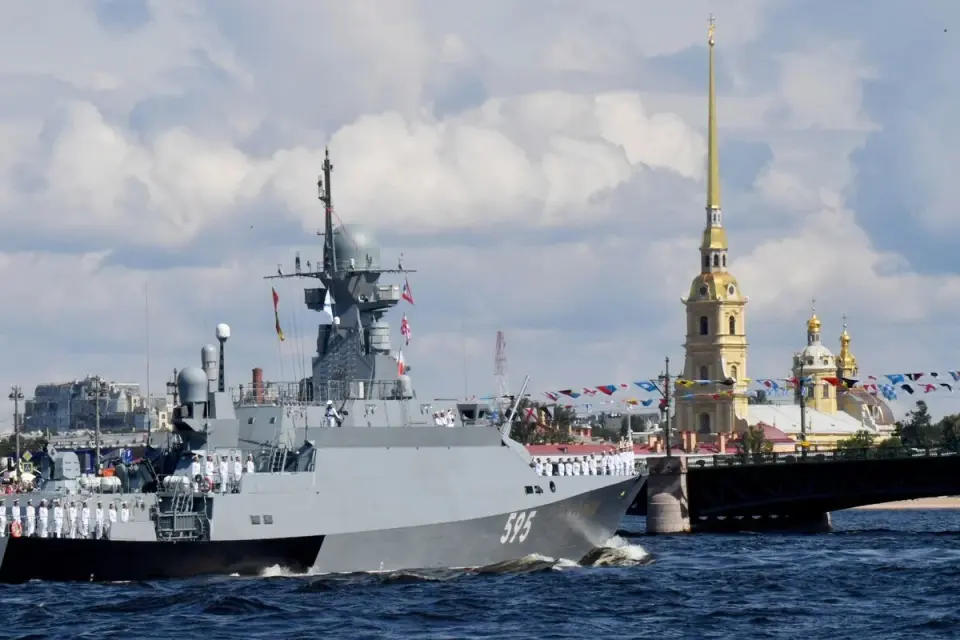
Ukraine’s Security Service (SBU) claimed responsibility for a drone strike against the Russian corvette Naro-Fominsk in the Gulf of Finland on November 11, 2026. The attack, occurring near the Finnish coast, was part of a broader operation targeting the Ust-Luga oil export terminal. While Finnish and Estonian officials confirmed the incident, they emphasized that maritime traffic remains safe. The strike marks the first known attack on a Russian warship in civilian Baltic waters, though casualty and damage details remain unconfirmed.
Key points
- The SBU targeted the Buyan-M class corvette Naro-Fominsk, which carries Kalibr and Oniks cruise missiles, in the Gulf of Finland.
- The strike coincided with attacks on the Ust-Luga oil terminal, damaging five storage tanks with a combined capacity of 150,000 cubic meters.
- Finland’s Defense Ministry confirmed the incident but stated there is no immediate military threat to Finnish security or maritime traffic.
- Estonia’s defense minister reported the ship was hit around 05:30 local time and subsequently returned toward St. Petersburg.
- Ukraine denied allegations that it used Baltic state airspace for the attack, citing Russian electronic warfare interference.
Background
This incident follows a pattern of Ukrainian long-range drone strikes against Russian energy and digital infrastructure, including recent attacks on the Omsk refinery and Yandex data centers. The strike occurred during US-mediated peace talks in Abu Dhabi, which concluded without a breakthrough. Previous coverage noted that Russian air defenses had intercepted 150 drones during the Ust-Luga attack, with unconfirmed reports of friendly fire incidents.
How outlets are covering it
Bloomberg reported the strike as an expansion of military operations into international waters, citing Finnish confirmation. BBC highlighted the SBU’s claim that the attack was part of a broader operation against Ust-Luga, noting that the Baltic Sea fleet had previously been untouched. Janes provided technical details on the Naro-Fominsk, commissioned in 2023, and noted that the SBU did not provide evidence of damage. Finnish officials emphasized stability, while Estonian officials confirmed the timing and trajectory of the ship. Military analyst Emil Kastehelmi viewed the strike as an opportunistic move rather than a serious escalation.
Why it matters
The strike represents a significant shift in the geographic scope of the conflict, extending drone warfare into the Baltic Sea, a region critical for civilian maritime traffic and subsea data cables. It tests the limits of Russian naval security in the Baltic Fleet and raises questions about the potential for further escalation in European waters. The incident also highlights the ongoing tension between Ukraine’s offensive capabilities and the diplomatic efforts to resolve the war.
What to watch
Russia is expected to respond to the strike, potentially with increased air defenses or retaliatory actions. Finland and Estonia will continue to monitor the situation, while NATO may reassess its posture in the Baltic region. The SBU may claim further successes in targeting Russian energy infrastructure, while Moscow may deny damage or casualties. Diplomatic talks in Abu Dhabi may be affected by the incident, though both sides have agreed to a future prisoner exchange.
- Ukraine Drone Strikes Russian Warship on Gulf of Finland Bloomberg.com
- Russian warship hit by Ukrainian drone in Gulf of Finland BBC
- Finland says it detects strike on Russian warship in Baltic Sea Reuters
- Finland detects strike on Russian warship; Ukraine claims attack Janes Defence Intelligence
- Finland confirms explosion on Russian warship near its maritime border Helsinki Times
Want the full story? Read the original reporting
Read on Bloomberg.com