
US-led power-sharing deal for Libya faces backlash over Haftar succession
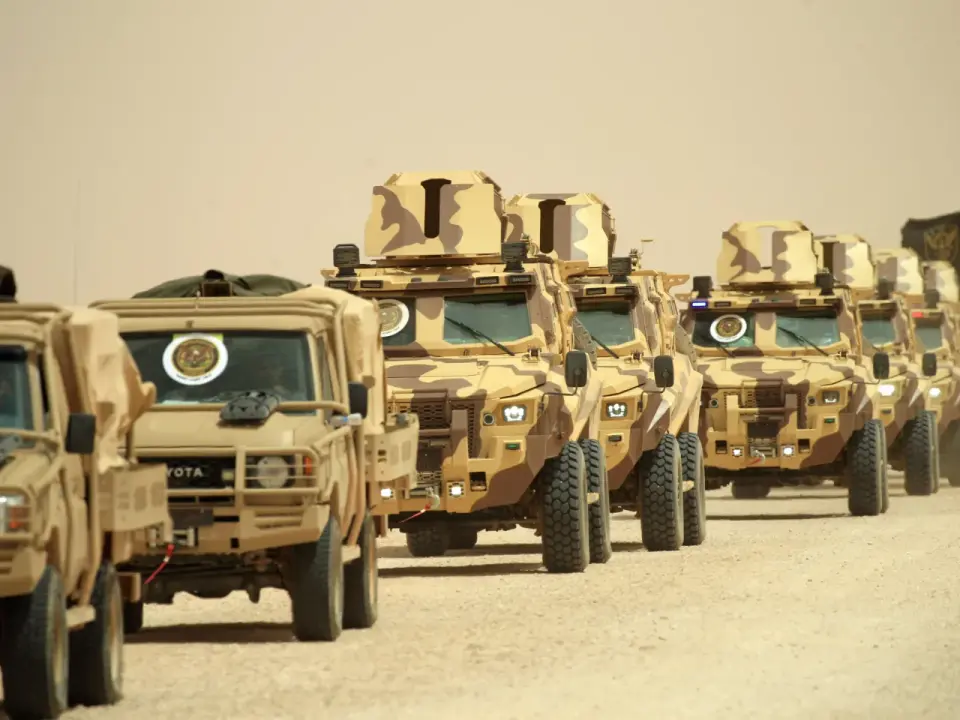
Washington is pushing a secret power-sharing deal to unify Libya’s rival governments, but critics warn the plan risks entrenching dynastic rule and triggering violence.
Key points
- US adviser Massad Boulos is mediating a deal to merge Libya’s western and eastern administrations, potentially placing Saddam Haftar as president and Abdul Hamid Dheibah as prime minister.
- The initiative aims to stabilize the country and attract US investment in oil fields, but lacks transparency and broad Libyan buy-in.
- Regional powers including Turkey, Egypt, and Qatar are actively mediating, while the UN urges progress on elections and budget unification.
- Critics, including the International Crisis Group, warn that the deal could ignite violence if it consolidates power without addressing military authority or civilian oversight.
Background
Fifteen years after the 2011 overthrow of Muammar Gaddafi, Libya remains split between the UN-recognized Government of National Unity in Tripoli and the eastern administration backed by Khalifa Haftar. Previous UN-led mediation efforts stalled after 2021, leading to a decade of division. Recent regional shifts, including the US-Iran conflict, have heightened US interest in securing energy stability and countering Russian influence in North Africa.
How outlets are covering it
Al Jazeera highlights the US initiative’s focus on oil investment and power-sharing, noting support from Haftar’s camp but criticism for excluding Libyan voices. The International Crisis Group argues the deal is too secretive and risks destabilizing peace by elevating Saddam Haftar, urging broader consultations. Africanews emphasizes the immediate humanitarian impact, citing UN warnings on fuel diversion and power outages that fuel public unrest. The UK’s UN statement stresses the need for inclusive, Libyan-led progress toward elections, warning that stalled political processes threaten stability and economic recovery.
Why it matters
A unified Libya could secure energy supplies and curb migration to Europe, but a poorly negotiated deal may deepen authoritarianism and reignite conflict. The outcome will test whether external mediation can resolve internal divisions or merely entrench existing power structures.
What to watch
Negotiators must resolve disputes over the seat of government and military command structure. The US and UN are pushing for implementation of the unified budget and UNSMIL-facilitated discussions, while Libyan factions may mobilize if the deal proceeds without broader consensus.
- Can US, Middle Eastern powers unite Libya 15 years after Gaddafi overthrow? Al Jazeera
- Assessing the New U.S. Initiative for Libya International Crisis Group
- Libya’s power crisis deepens as UN warns of fuel diversion and infrastructure strain africanews.com
- Libya’s leaders must use this window of opportunity to make progress on Libya’s political process: UK statement at the UN Security Council Wired-Gov
- Libya Signs Draft Deal to Resolve Political Crisis Fana News -
Want the full story? Read the original reporting
Read on Al Jazeera