
Somalia expels UAE envoy as Abu Dhabi accuses Mogadishu of prioritizing internal politics over shared interests
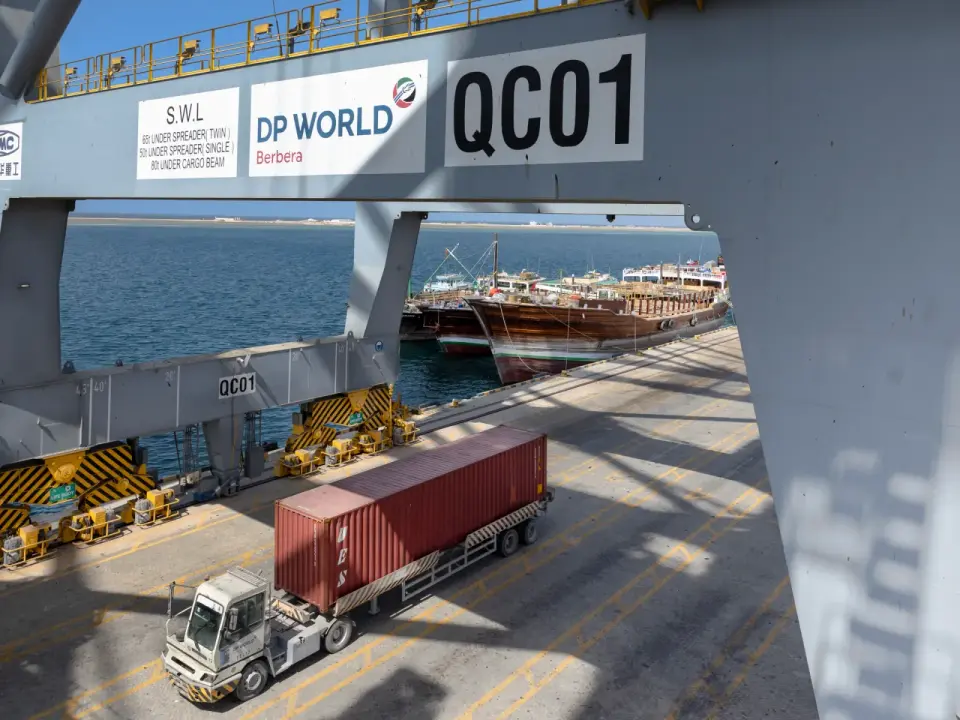
On November 19, Somalia ordered the UAE ambassador to leave within 72 hours and recalled its own envoy, marking a sharp rupture in a relationship that had previously included significant security and commercial cooperation. The move follows a January decision by Mogadishu to annul defense and port agreements, citing Abu Dhabi’s support for regional administrations outside federal control. While Somalia accuses the UAE of undermining its sovereignty, the UAE argues that Mogadishu is allowing internal political disputes to damage bilateral ties. The crisis highlights a deeper struggle between the federal government and semi-autonomous regions like Puntland and Somaliland, which maintain close economic and security links with Abu Dhabi.
Key points
- Somalia’s President Hassan Sheikh Mohamud accused the UAE of financing rival regional administrations and supporting armed actors beyond federal control, stating that 'a brother does not burn your house.'
- The UAE Ministry of Foreign Affairs condemned the expulsion as 'irresponsible,' arguing that relations should be based on shared interests rather than internal political conflicts, and emphasized the importance of ties with the Somali people.
- The dispute stems from January 2026, when Somalia annulled commercial, defense, and security agreements, including those involving the Berbera, Bosaso, and Kismayo ports, which are operated by UAE-linked entities.
- Regional leaders in Puntland, Jubbaland, and Somaliland rejected Mogadishu’s cancellation of agreements, asserting that their partnerships with Abu Dhabi remain in force and provide crucial economic and security benefits.
- The diplomatic rift coincides with a domestic power struggle, as Mohamud attempts to assert federal authority through constitutional changes, facing resistance from regional leaders who have cultivated ties with Abu Dhabi.
Background
The UAE significantly expanded its presence in Somalia during Mohamud’s first term (2012-2017), reopening its embassy in 2014 and funding a military training center. Abu Dhabi also invested heavily in ports in Somaliland and Puntland, such as Berbera and Bosaso, which serve as key trade hubs. Relations strained under Mohamud’s predecessor, Mohamed Abdullahi, who rejected a DP World deal over Berbera port in 2018, citing sovereignty concerns. Mohamud returned to power in 2022 to repair ties, but tensions persisted over Abu Dhabi’s independent dealings with regional administrations. The current crisis is part of a broader pattern of foreign powers leveraging Somali regional divisions, with the UAE, Turkey, and other Gulf states competing for influence in the Horn of Africa.
How outlets are covering it
Al Jazeera frames the rupture as a result of the UAE’s deepening ties with regional administrations, which have strengthened their position against the federal government. It highlights the UAE’s investments in ports and security forces in Puntland and Somaliland, which Mogadishu views as undermining its sovereignty. Business Insider emphasizes the UAE’s official response, which condemns Somalia’s actions as 'irresponsible' and stresses the importance of shared interests, while also noting the UAE’s continued support for the Somali people. Africanews reports on public support for the expulsion in Mogadishu, with protesters calling the UAE an 'enemy,' and notes the broader context of Somalia’s political instability, including a Supreme Court ruling that Mohamud’s term has expired. Middle East Forum offers a critical view of both sides, arguing that the UAE’s failure to react to the expulsion diminishes its regional standing, while also criticizing Mohamud for 'selling his country’s sovereignty' to Turkey and China. It suggests that the UAE should recognize Somaliland’s independence to counter Mogadishu’s influence.
Why it matters
The Somalia-UAE rift underscores the complex dynamics of foreign influence in the Horn of Africa, where regional powers leverage local divisions to secure strategic advantages. The dispute over ports and security cooperation highlights the tension between federal authority and regional autonomy, a key issue in Somalia’s post-2012 federal structure. The crisis also reflects broader regional rivalries, with the UAE, Turkey, and other Gulf states competing for influence in a region critical for global shipping routes. The outcome of this dispute could shape Somalia’s future foreign policy and its ability to maintain sovereignty in the face of external pressures.
What to watch
The immediate next step is the UAE ambassador’s departure from Somalia within 72 hours, as ordered by Mogadishu. The UAE has already withdrawn its diplomatic staff from Mogadishu, but the long-term impact on bilateral relations remains uncertain. The regional administrations in Puntland, Jubbaland, and Somaliland are likely to maintain their ties with Abu Dhabi, potentially deepening the divide between the federal government and these regions. The dispute may also influence Somalia’s domestic politics, as Mohamud faces resistance from regional leaders over constitutional and electoral changes. Additionally, the crisis could draw in other regional powers, such as Turkey and Ethiopia, further complicating the geopolitical landscape in the Horn of Africa.
- Why Somalia’s president turned against his former ally, the UAE Al Jazeera
- One of the Gulf's richest nations calls Somalia's actions irresponsible as the conflict over East Africa’s disputed region intensifies Business Insider
- Somalia orders UAE ambassador to leave, citing 'invasion' Reuters
- Somali protesters come out in support of expulsion of UAE ambassador Africanews
- The United Arab Emirates’ Cowardice on the Horn of Africa Is Self-Defeating Middle East Forum
Want the full story? Read the original reporting
Read on Al Jazeera