
One year after Nasser Hospital strike, accountability for journalist deaths remains elusive
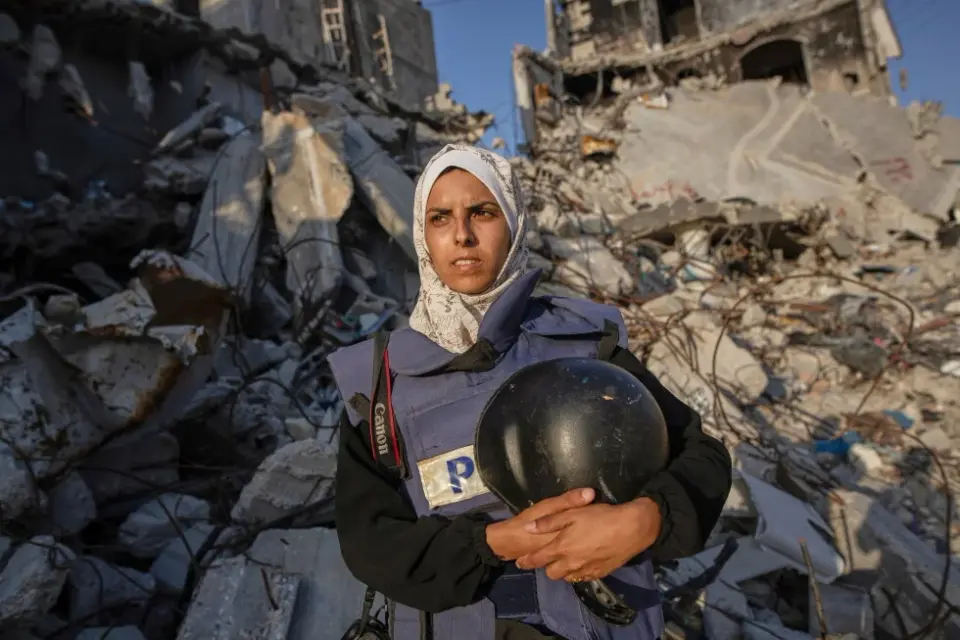
One year after Israeli strikes on Nasser Hospital in Gaza killed 20 people, including journalists Mariam Abu Dagga and Hussam al-Masri, no official accountability has emerged. While Israel claims it targeted a Hamas camera, investigations suggest the second strike was a disproportionate 'double-tap' on civilians and press. A soldier's testimony and international pressure highlight a pattern of 'retroactive incrimination' and the lack of transparency in military investigations.
Key points
- Israeli forces struck Nasser Hospital in southern Gaza four times on August 25, 2025, using high-explosive tank shells, killing 20 people including journalists and medics.
- The first strike killed Reuters cameraman Hussam al-Masri; eight minutes later, a second strike killed 19 others, including The Independent's Mariam Abu Dagga, as they rushed to assist the wounded.
- An Israeli soldier, speaking through the group Breaking the Silence, described a 'retroactive incrimination process' where killed Palestinians are automatically labeled militants to justify strikes and avoid real investigations.
- The Committee to Protect Journalists reports that 207 Palestinian reporters have been killed in Gaza since October 2023, with Israel barring foreign journalists from the territory.
- British MPs and international law experts have urged the UK government to impose sanctions and pursue international court proceedings, citing potential war crimes in the double-tap attack.
Background
This incident follows a broader pattern of attacks on press and medical facilities in Gaza. In April 2025, rights groups labeled an Israeli strike in Lebanon a war crime for killing journalist Amal Khalil. In August 2026, Israeli strikes on medical warehouses in Deir el-Balah further deepened the health crisis in Gaza. The Nasser Hospital strike is part of a series of high-profile incidents where Israel has faced allegations of targeting civilians and humanitarian workers, often dismissing such claims as 'mishaps' or targeting Hamas infrastructure.
How outlets are covering it
AP News emphasizes the lack of answers and the soldier's testimony regarding 'retroactive incrimination,' highlighting the military's internal process of justifying strikes after the fact. The Independent focuses on the legal implications, arguing the double-tap constitutes a war crime and urging UK sanctions. Middle East Echo (MEE) corroborates the Independent's findings, noting that the military did not contact the hospital despite having staff phone numbers, and highlights the international law experts' concerns over the disproportionate nature of the second strike. All sources agree on the factual sequence of the strikes and the identities of the victims, but differ in emphasis: AP on the systemic failure of accountability, The Independent on the legal and political response, and MEE on the specific military decision-making and lack of communication.
Why it matters
The failure to hold Israel accountable for the deaths of journalists in Gaza undermines press freedom and the ability of the public to access information during conflicts. It sets a precedent that could embolden further attacks on humanitarian workers and journalists, as seen in the 207 deaths reported by CPJ. The lack of transparency in military investigations and the use of 'retroactive incrimination' raise serious concerns about the rule of law and the protection of civilians in armed conflicts.
What to watch
The UK government is under pressure to take action, including potential sanctions and the handover of evidence to international courts. The Committee to Protect Journalists and other rights groups will likely continue to push for a prompt and transparent investigation. The families of the victims, such as the father of Mariam Abu Dagga, will continue to seek answers and justice. The Israeli military may face further scrutiny over its decision-making processes and the use of 'retroactive incrimination' in justifying strikes.
- A year after Israeli strikes killed journalists at a hospital, no one has been held accountable AP News
- Israel must face sanctions for its appalling campaigns in Gaza – and the killing of journalists like Mariam Abu Dagga The Independent
- MPs call for UK to hold Israeli government to account for killing of journalists The Independent
- Israel probably committed war crimes in Gaza hospital double-tap, investigation finds Middle East Eye
- Mideast Wars Journalists Killed Bluefield Daily Telegraph
Want the full story? Read the original reporting
Read on AP News