
Ethiopia and Eritrea Escalate Tigray Conflict with UN Appeals and Drone Strikes
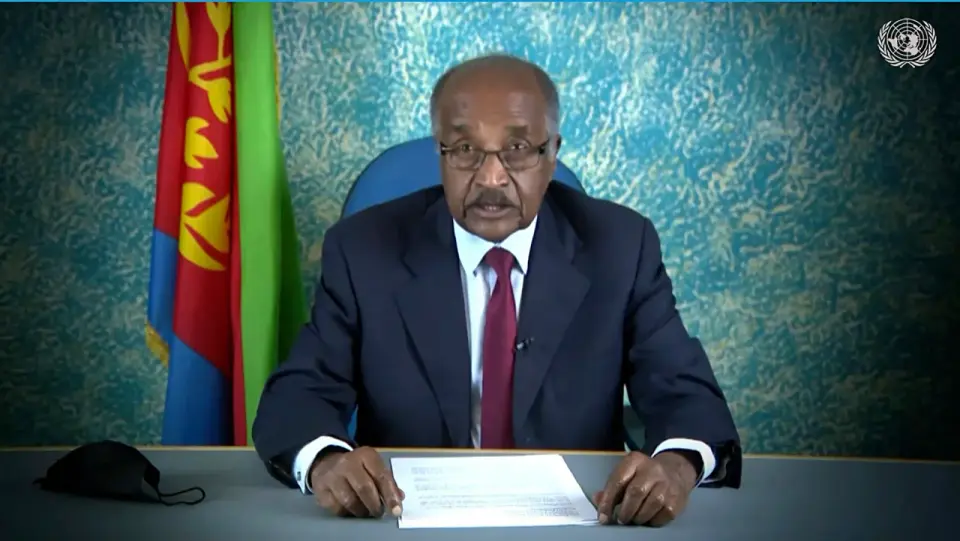
Ethiopia and Eritrea have entered a diplomatic and military standoff over the Tigray region, with both nations accusing the other of initiating war. Addis Ababa claims Eritrean troops advanced 60 kilometers into Ethiopian territory, while Asmara urges the UN to invoke Chapter VII for deterrent measures. Ethiopian forces have seized the Tigray capital, Mekelle, and launched drone strikes against Eritrean positions, as the dispute over Red Sea access intensifies regional tensions.
Key points
- Eritrea’s Foreign Minister Osman Saleh requested UN Security Council intervention, citing Ethiopia’s 'declaration of war' and invoking Chapter VII of the UN Charter.
- Ethiopia’s Foreign Minister Gedion Timothewos accused Eritrea of an 'all-out invasion' and invoked Article 51 of the UN Charter for self-defense.
- Ethiopian forces seized Mekelle, the Tigray capital, and launched drone strikes against Eritrean troops in the region.
- A seven-group rebel alliance, including the Tigray People’s Liberation Front (TPLF), launched attacks against federal forces in September 2026.
- Ethiopia’s Prime Minister Abiy Ahmed reiterated demands for Red Sea access, which Eritrea interprets as a threat to its port at Assab.
Background
The current escalation follows the collapse of the 2022 Pretoria peace agreement and a resumption of conflict in September 2026. Ethiopian forces previously seized Mekelle airport on October 3, 2026, amid a diplomatic rupture with Eritrea. Neighboring nations, including Egypt, Sudan, and Somalia, issued a joint declaration on October 4, 2026, asserting that Red Sea governance belongs exclusively to coastal states. Relations between Ethiopia and Eritrea had improved after 2018 but soured following the 2020-2022 civil war, with Eritrea expressing anger over the war’s conclusion and fearing an Ethiopian invasion.
How outlets are covering it
Al Jazeera emphasizes the diplomatic dimension, highlighting Eritrea’s request for UN intervention under Chapter VII and Ethiopia’s invocation of self-defense under Article 51. The Africa Report focuses on the military situation, noting that Ethiopian forces seized Mekelle and launched drone strikes, while Eritrean troops reportedly retreated after being targeted. AP News centers on the UN letters, framing the conflict as a dispute over troop incursions and self-defense rights. Analysts cited by Al Jazeera, such as Faisal Roble, view the UN letters as 'posturing' to secure international support, while The Africa Report’s Kjetil Tronvoll warns that Ethiopia could press its advantage and push into Eritrea. All sources agree that the conflict risks escalating into a wider regional war, but they differ in emphasis: Al Jazeera and AP News focus on diplomatic maneuvers, while The Africa Report highlights military outcomes and the weakening of TPLF rebels.
Why it matters
The standoff between Ethiopia and Eritrea threatens to destabilize the Horn of Africa, with both nations invoking UN Charter provisions to justify their actions. The dispute over Red Sea access could draw in neighboring countries, including Egypt and Sudan, which have already issued joint declarations against Ethiopian aggression. The conflict also risks reigniting the devastation of the 2020-2022 civil war, with humanitarian organizations reporting civilian deaths and widespread destruction. International intervention is critical to prevent the conflict from spiraling into a broader regional war.
What to watch
The UN Security Council is expected to respond to Eritrea’s request for deterrent measures under Chapter VII, while Ethiopia may escalate its military operations in Tigray. Analysts suggest that both nations are 'preparing for the last phase of an open conflict,' with Ethiopia potentially pushing into Eritrean territory. The outcome of the Tigray conflict will depend on whether international mediation can prevent further escalation, or if the dispute over Red Sea access will trigger a wider regional war.
- Eritrea urges UN to intervene in standoff with Ethiopia Al Jazeera
- Eritrea asks UN to intervene in standoff with Ethiopia Reuters
- Tigray insurgency withers as federal forces enter Shire and resume flights to Mekelle The Africa Report
- Ethiopia and Eritrea are on the brink of another conflict The Economist
- Ethiopia tells UN it is acting in self-defense against Eritrea AP News
Want the full story? Read the original reporting
Read on Al Jazeera