
Riyadh Airport Hit Again: 12 Dead, Trump Weighs U.S. Entry
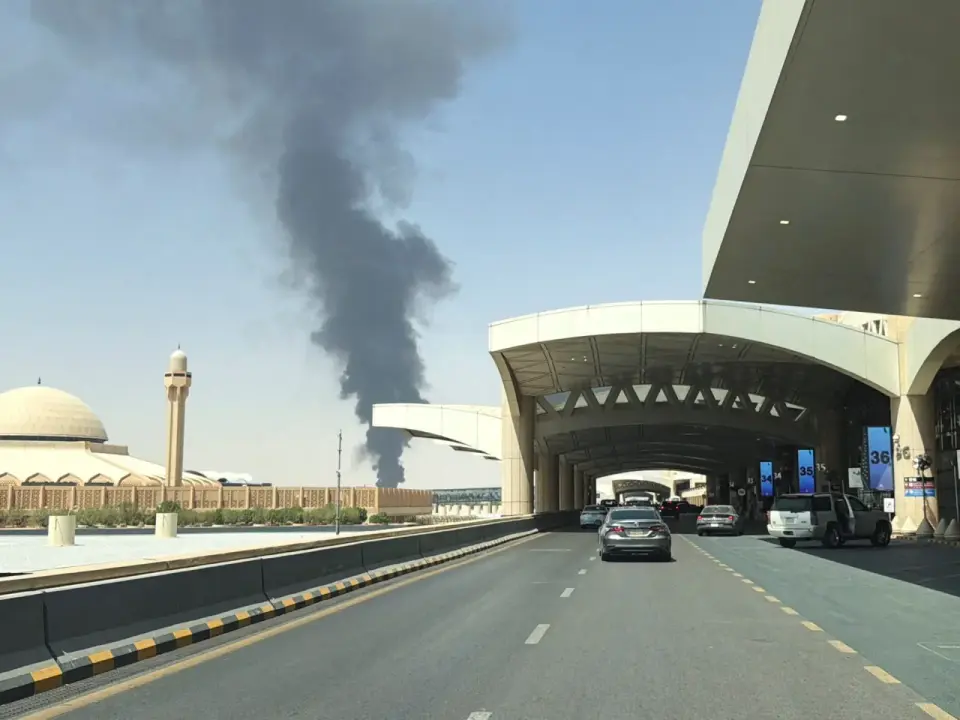
Yemen’s Houthis launched a series of ballistic missile strikes on Saudi Arabia, culminating in a deadly attack on Riyadh’s King Khalid International Airport on October 10. While the Saudi-led coalition claims to have intercepted three missiles on October 8, the October 10 strike killed at least 12 people and injured over 300, including an American citizen. President Trump is considering joining the fight against the Houthis, while regional airlines suspend flights and embassies urge citizens to avoid the capital.
Key points
- On October 10, a strike on King Khalid International Airport in Riyadh killed at least 12 people and injured 309, according to Saudi civil aviation authorities; an American citizen was among the dead.
- The Saudi-led coalition stated on October 8 that it intercepted three Houthi ballistic missiles, two aimed at Riyadh and one at Khamis Mushait, though falling debris damaged a kindergarten and clinic in the capital.
- Houthi spokesperson Yahya Saree claimed a missile hit the Riyadh airport on October 8 but did not claim responsibility for the October 10 strike, which the U.S. State Department blamed on the group.
- President Trump said the U.S. may join the fight against the Houthis, while Air India and Lufthansa suspended flights to Riyadh, and the U.S. embassy urged citizens to avoid the airport.
- Inside Yemen, government forces claim to have neutralized over 1,370 Houthi fighters in recent operations, while the International Organization for Migration reports over 200,000 people have been displaced since the conflict escalated in September.
Background
This escalation follows a rapid intensification of hostilities since mid-September, when the Houthis launched a lightning offensive to seize Yemen’s Red Sea coastline. Previous strikes on Saudi airports and oil facilities in late September and early October resulted in limited casualties but prompted international condemnation and U.S. travel advisories. The current wave of attacks marks the deadliest Houthi strikes on Saudi soil in over a decade, coinciding with a broader regional conflict involving Iran and a U.S. naval blockade in the Gulf of Oman.
How outlets are covering it
Al Jazeera emphasizes the Saudi-led coalition’s defensive successes, noting the interception of three missiles on October 8, while highlighting Houthi claims of hitting the Riyadh airport. CBS News focuses on the human toll of the October 10 strike, detailing the 12 fatalities and 309 injuries, and reports on Trump’s potential U.S. military involvement. AP News highlights the immediate disruption to air travel and the evacuation of the Riyadh airport, noting that the Houthis have not claimed responsibility for the latest strike. All sources agree on the severity of the escalation but differ in emphasis: Al Jazeera on coalition defense, CBS on political and human impact, and AP on logistical and diplomatic reactions.
Why it matters
The attacks threaten critical aviation infrastructure in the world’s top crude oil exporter, potentially disrupting global travel and energy markets. The U.S. consideration of direct military involvement could expand the conflict into a broader regional war, while the displacement of over 200,000 people in Yemen underscores the humanitarian crisis. The strikes also test the limits of Saudi air defenses and the resolve of international allies, including France and Qatar, who have condemned the attacks and pledged support.
What to watch
Watch for a formal U.S. decision on military involvement, as Trump indicated he would 'move quickly.' Monitor for further Houthi strikes on Saudi airspace and airports, as the group has warned that all Saudi airspace except over Mecca and Medina is a target. Track the progress of government forces in Yemen, particularly around the Bab al-Mandeb Strait, and the humanitarian situation as displacement numbers continue to rise.
- Saudi-led coalition says it intercepts three Houthi ballistic missiles Al Jazeera
- Iran war live: 3 Saudi citizens killed in attacks on Riyadh airport Al Jazeera
- Live Updates: Iran's Houthi allies kill 3 in strike on Saudi airport as Trump rules out pre-midterms strikes CBS News
- Explosions heard in Saudi capital and Riyadh airport, and other Mideast developments AP News
- Plane damaged at Riyadh airport as Houthis escalate attacks, sources say Reuters
Want the full story? Read the original reporting
Read on Al Jazeera