
New Book Reveals Netanyahu Withheld Nasrallah Strike Details from Biden Administration
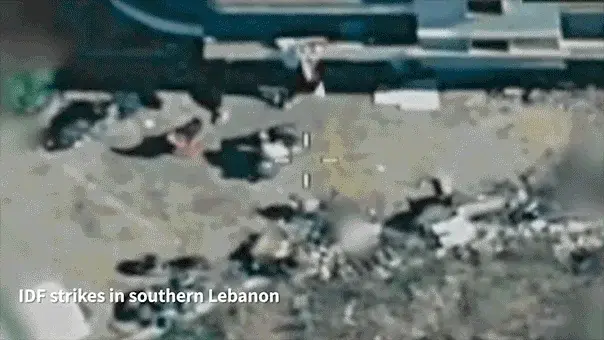
A new book reveals that Israeli Prime Minister Benjamin Netanyahu deliberately withheld details of the September 2024 assassination of Hezbollah leader Hassan Nasrallah from U.S. National Security Adviser Jake Sullivan, fearing Washington would block the operation. The strike, which killed Nasrallah after years of rocket attacks on northern Israel, highlighted a fundamental strategic divide between Jerusalem and Washington. While Israeli officials sought to 'win the war,' the Biden administration prioritized de-escalation to prevent broader regional conflict. The book also details how Israel’s military successes later convinced the Trump administration to authorize strikes on Iranian nuclear facilities in June 2025, challenging narratives that U.S. involvement was solely driven by Israeli pressure.
Key points
- Netanyahu warned senior defense officials that Jake Sullivan would 'jump out of his skin' if informed of the Nasrallah strike, leading to a decision not to notify Washington in advance.
- The Pentagon confirmed it received no advance warning of the September 27, 2024, strike on Beirut, which killed Nasrallah after he had led Hezbollah for over three decades.
- Israeli Defense Minister Yoav Gallant and IDF Chief of Staff Herzi Halevi favored informing the U.S., but Netanyahu overruled them due to fears of American opposition.
- The book argues that Israel waited nearly a year for U.S. diplomacy to stop Hezbollah attacks, which failed, prompting a shift to direct military action.
- Israeli military chief Eyal Zamir later convinced Vice President JD Vance that U.S. forces had a unique opportunity to strike Iran’s Fordow nuclear facility, leading to the June 2025 'Operation Midnight Hammer.'
- The account suggests Trump was not reluctantly drawn into the conflict but responded to a strategic opportunity created by Israel’s demonstrated military capabilities.
Background
This revelation comes amid ongoing debates about the Biden administration’s role in the Gaza war, as detailed in Akbar Shahid Ahmed’s book 'Crossing the Red Line,' which criticizes U.S. officials for enabling Israeli military campaigns. Additionally, Hezbollah remains weakened two years after Nasrallah’s assassination, struggling to rebuild under new leadership and facing strained ties with Iran. Recent security concerns, including the evacuation of Netanyahu’s son from the U.S. due to an alleged Iranian threat, underscore the continued volatility in the region.
Why it matters
The decision to withhold information from a key U.S. ally reveals the deepening rift between Israel and the Biden administration over regional strategy. It highlights how Israel prioritized decisive military action against Hezbollah over diplomatic caution, a stance that later influenced U.S. decisions to engage in direct strikes against Iran. This dynamic reshapes the understanding of U.S.-Israel relations, suggesting that military successes, rather than political pressure, drove American involvement in the 2025 Iran conflict.
What to watch
The publication of 'In the War Room' may intensify scrutiny of U.S.-Israel coordination during the 2024-2025 conflicts. It could also fuel debates in Israel over Netanyahu’s accountability for the October 7, 2023, Hamas attack, particularly amid new controversies regarding the alteration of official records of his actions that day. The book’s claims about U.S. decision-making in the Iran strikes may also influence future diplomatic discussions between Washington and Jerusalem.
Want the full story? Read the original reporting
Read on Fox News