
Russia's Jet-Drone Surge Overwhelms Ukraine's Air Defenses
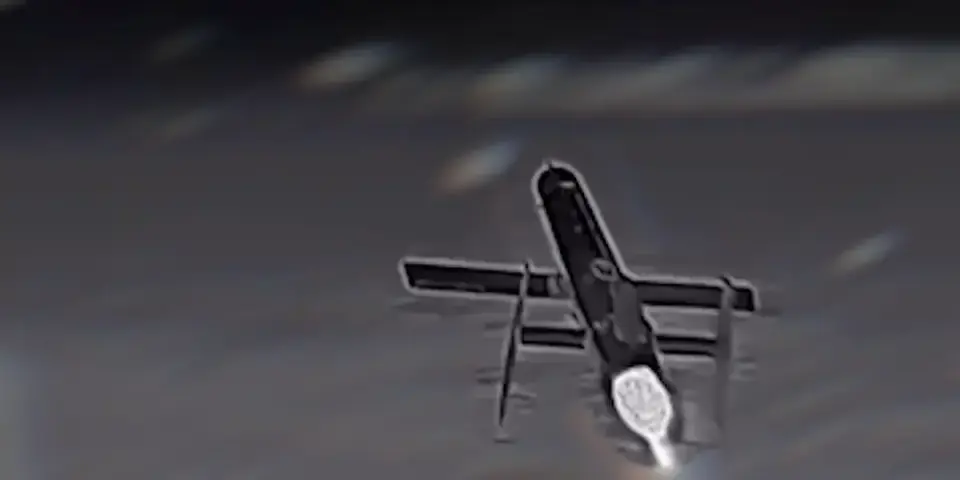
Russia has massively scaled up production of turbojet-powered attack drones, launching 7,700 since early 2026. These fast-moving weapons, which include the Geran-5, have overwhelmed Ukrainian air defenses, dropping interception rates from 90% to 60%. The surge relies on Chinese engines and Western electronic components, exposing gaps in international sanctions enforcement.
Key points
- Ukraine's air force reports 7,700 turbojet drone launches by Russia, with 2,850 arriving in August alone.
- Interception rates for these fast drones have fallen to approximately 60%, compared to 90% for slower propeller drones.
- The Geran-5 drone, resembling a cruise missile, travels at up to 600 km/h with a range of 950 km.
- Ukraine attributes the surge to Russian access to Chinese jet engines and US/European electronic components.
- Russia plans to produce 28,000 additional drones annually, while Ukraine tests new jet interceptors to counter the threat.
Background
This escalation follows a year of intensifying drone warfare. In August 2026, Russia targeted Ukrainian food logistics, destroying 90% of retail supply networks. Earlier in 2026, Ukraine launched its largest drone attacks on Russia, including over 1,000 drones toward Moscow in September. The current shift to jet-powered drones marks a significant technological leap from the propeller-driven Shahed variants used in 2025.
How outlets are covering it
Business Insider emphasizes the sheer volume of the attack, noting that jet drones now constitute half of all Russian long-range strikes. The Guardian highlights the strategic balance, noting that while Ukraine has matched Russia in drone capability, Russia's new speed advantage is creating a 'flipside' of danger for Ukrainian cities. UNITED24 Media focuses on the technical specifics of the Geran-5, detailing its Chinese engine and mixed foreign components. Kyiv Post argues that the core issue is economic asymmetry; Ukraine cannot afford to use expensive missiles against cheap drones, necessitating a shift toward AI-driven, mass-produced countermeasures to avoid financial exhaustion.
Why it matters
The shift to jet-powered drones fundamentally alters the cost-benefit analysis of air defense. With interception rates dropping and civilian casualties rising, Ukraine faces a critical challenge in protecting its energy and civilian infrastructure. The reliance on foreign components for Russian weapons also highlights the failure of current sanctions regimes to halt military production, potentially setting a precedent for future conflicts involving hybrid supply chains.
What to watch
Ukraine is expected to scale up production of jet-powered interceptor drones, currently in early testing phases. Russia is projected to increase annual drone production to 64,000 units by 2027. The conflict will likely see increased use of AI for autonomous targeting and electronic warfare to manage the volume of incoming threats.
- Russia's once-rare turbojet drones that fly twice as fast are now attacking Ukraine by the thousands Business Insider
- The long-range drone war: Ukraine and Russia scramble for supremacy in the skies The Guardian
- Jet-powered Russian drones strain Ukraine's air defences Reuters
- Russia’s Fast Geran-5 Drone “Exploded Like a Comet” After Ukrainian Intercept, Video UNITED24 Media
- OPINION: Russian Drones Over Kyiv – War of Speed and New Deep Strike Tactics Kyiv Post
Want the full story? Read the original reporting
Read on Business Insider