
Ukraine's Wildberries Campaign: Five Dead in Moscow, Economic War Strategy Emerges
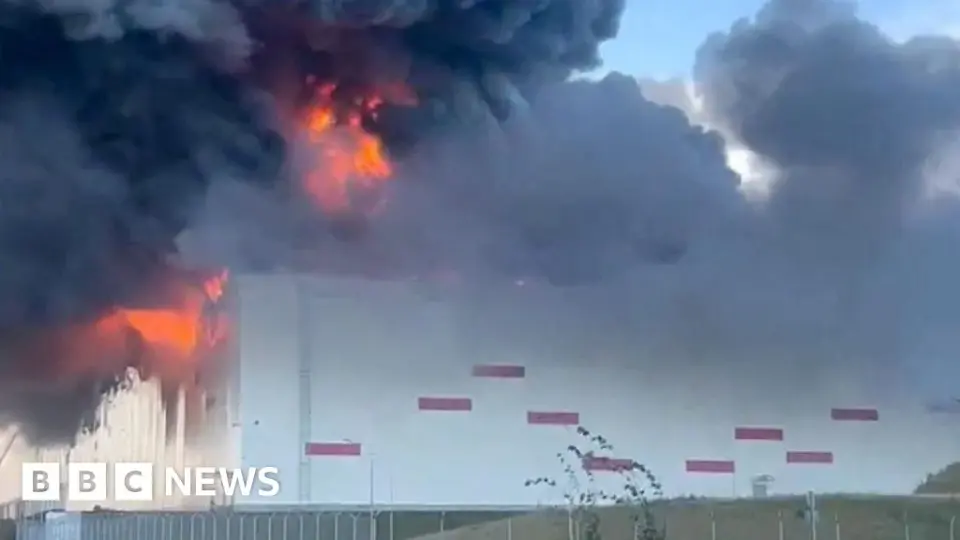
Ukrainian drone strikes have intensified against Wildberries, Russia's largest e-commerce platform, killing five people in the Moscow region and damaging facilities in St. Petersburg and Tver. While Kyiv claims the targets support the Russian military, analysts suggest the true goal is to trigger a financial crisis by crippling the retailer's massive debt load and banking partners.
Key points
- Five people were killed and ten injured at an industrial site in Chekhov, 69km south of Moscow, which Ukrainian media links to Wildberries, though local officials did not confirm the operator.
- Wildberries confirmed damage to a warehouse in the St. Petersburg region, while officials in Tver and Samara reported similar strikes, with the Samara facility completely destroyed.
- Russia's defense ministry claims it intercepted 320 drones overnight, while Russian strikes on Ukraine killed at least four people in Mykolaiv and Sumy.
- Wildberries, which generates 6.1 trillion rubles in turnover, carries over 1.3 trillion rubles in debt, with 500 billion owed to VTB Bank, raising fears of a banking contagion.
- Ukrainian adviser Mykhailo Podolyak stated the primary objective is to damage the Russian economy and trigger a fiscal crisis, rather than solely targeting military logistics.
Background
This escalation follows a series of strikes since July 2026, including hits on fuel depots and warehouses in Kotovsk and Elektrostal. Previous archive entries note that Ukraine has consistently targeted Wildberries facilities, with Russia reporting fatalities and drone interceptions in response. The current campaign marks a significant intensification, with over 15% of Wildberries' logistics floor space destroyed since August.
How outlets are covering it
BBC reports the immediate casualties and confirmed damage in multiple regions, noting that local officials in Chekhov did not confirm the site was a Wildberries facility, though Ukrainian media and search engine listings suggest otherwise. Riddle Russia provides a deeper economic analysis, arguing that the strikes are a pretext for economic warfare. It highlights that Wildberries' massive debt and reliance on state-backed lenders like VTB could trigger a broader banking crisis, a view echoed by Ukrainian officials. NBC News frames the attacks as part of a broader campaign to inflict maximum pain on the Kremlin, focusing on the livelihoods of sellers dependent on the platform. While BBC focuses on the military and civilian toll, Riddle Russia emphasizes the financial instability and legal ambiguities of targeting civilian infrastructure.
Why it matters
The strikes threaten to destabilize Russia's financial sector by targeting a 'too big to fail' entity with massive debt obligations. If Wildberries collapses, it could trigger losses for major banks like Sberbank and VTB, potentially exposing a latent banking crisis in Russia. Additionally, the destruction of key logistics hubs disrupts the supply chain for both civilian goods and potential military components, impacting the Russian economy and social stability.
What to watch
Wildberries has frozen its investment program and is seeking state financial aid. The company is scouting warehouse space in Kazakhstan to replace destroyed capacity. Russian banks are weighing higher provisions for potential defaults, while the Central Bank may need to cut interest rates to help corporate borrowers refinance. The intensity of drone strikes is expected to continue, with follow-up attacks targeting sites that do not immediately catch fire.
- Ukraine hits more Wildberries sites as strike kills five in Moscow region BBC
- Ukrainian drone strike on Russian warehouses in Moscow region kills 5, local official says CBS News
- Burn Warehouses, Crash Banks? Riddle Russia
- They made a living on Russia’s Amazon. Ukrainian attacks have sent it up in flames. NBC News
- Russia Weighs Aid to Sellers After Ukraine Hits E-Commerce Giant Bloomberg.com
Want the full story? Read the original reporting
Read on BBC