
Chernobyl Wolves Multiply Sevenfold, Show Cancer-Resistant Genetic Clues
TL;DR
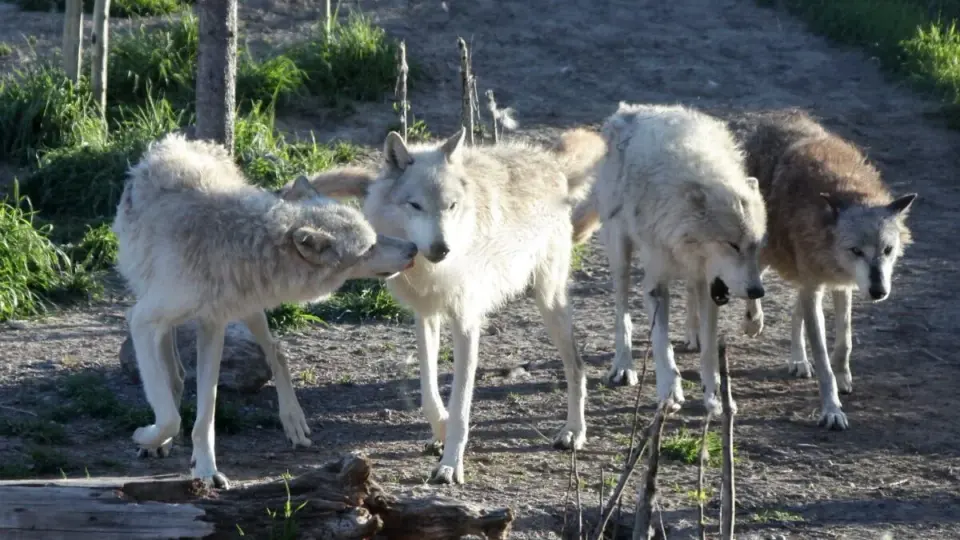
New research finds gray wolves in the Chernobyl Exclusion Zone are seven times more numerous than before the 1986 disaster, likely due to reduced human pressure, with other wildlife such as elk and deer also thriving. Evolutionary biologists from Princeton and the University of Portsmouth identified cancer-related genetic divergences in CEZ wolves—23 genes linked to multiple tumor types and signs of immune activity—based on RNA from blood samples and comparisons with Belarus and Yellowstone populations; the findings, presented at AACR 2024, suggest a possible cancer resistance in this isolated, war-surrounded ecosystem.
- Chernobyl’s Wolf Population Is Now 7 Times Higher Than Before the Disaster Gizmodo
- Surviving in a poisoned land: Chernobyl's wildlife is different, but not in the ways you might think BBC
- Rare photos from the 1986 Chornobyl nuclear disaster Reuters
- Inside Chernobyl’s shadow community: what a nuclear disaster looks like 40 years on National Geographic
- Chornobyl at 40: Settlers and horses survive Russian drones, contamination Al Jazeera
Want the full story? Read the original reporting
Read on Gizmodo