Marie Curie’s radium notebooks: a century of radiation guarding history
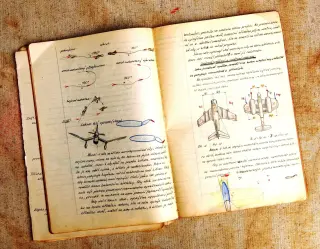
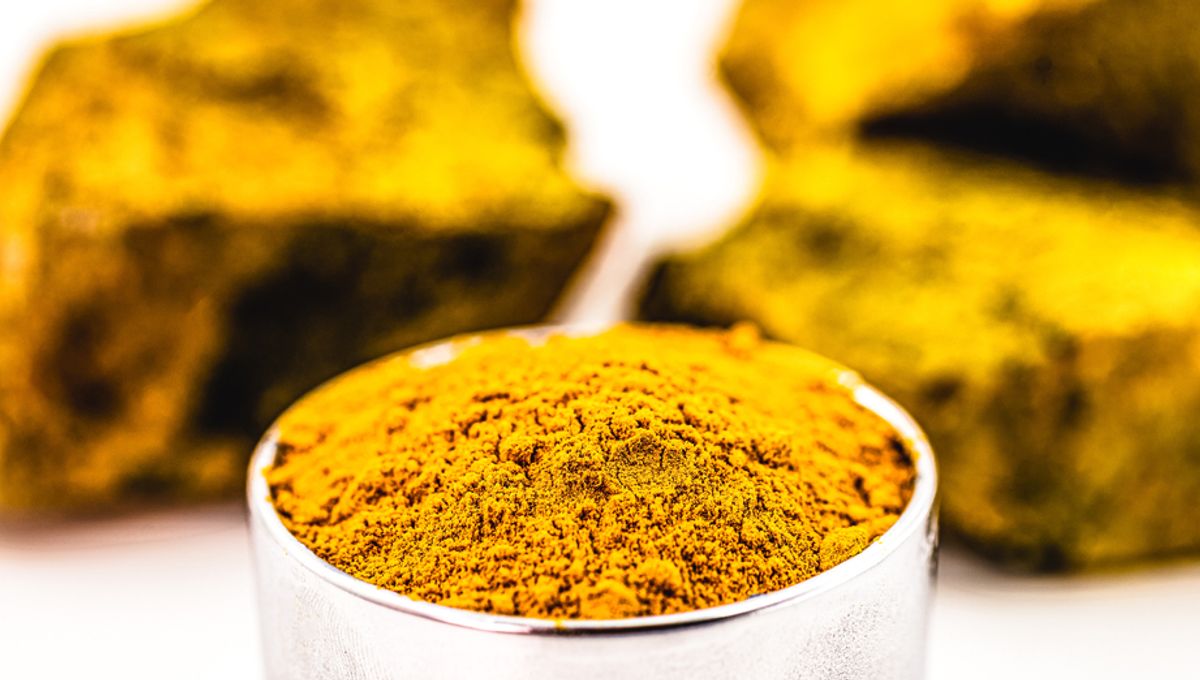
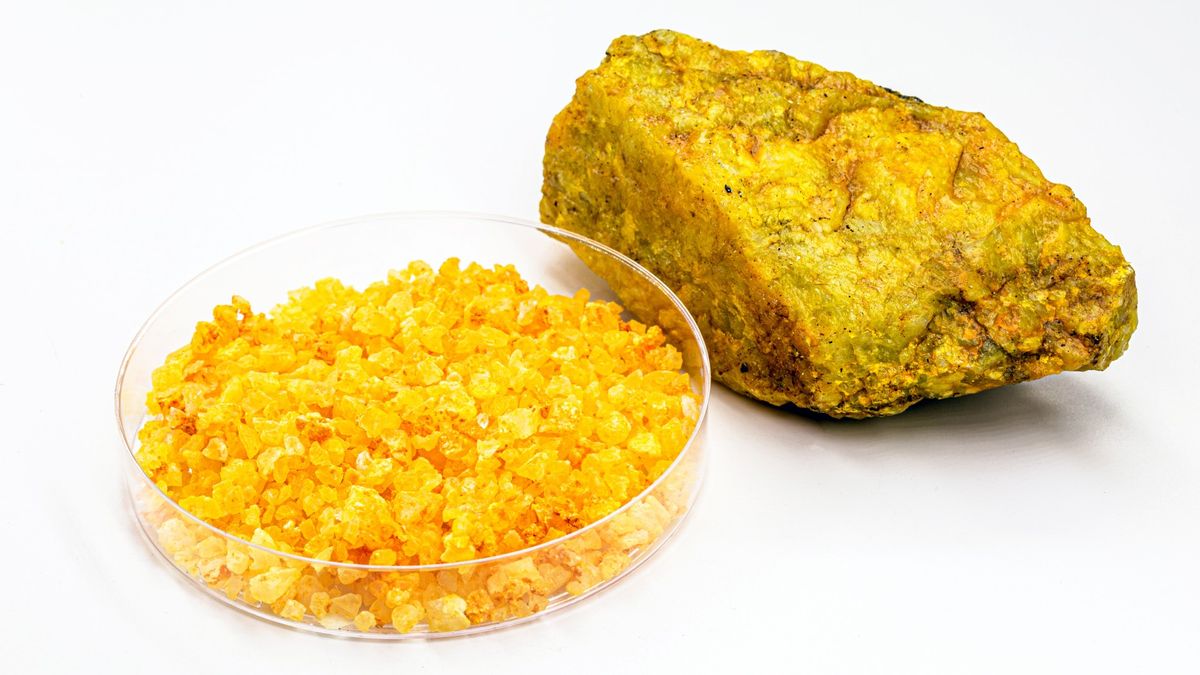
Marie and Pierre Curie spent about four years processing seven tonnes of pitchblende in a leaky Paris shed to isolate a tiny amount of radium chloride, an effort that left their lab and papers dangerously radioactive. Today the notebooks are kept in lead-lined boxes at the Bibliothèque nationale and can be consulted only after signing a risk waiver and donning protective gear; the radiation persists for millennia, serving as a stark reminder of the cost of scientific discovery and of Curie’s two Nobel Prizes and eventual death from radiation exposure.