Tag

Chernobyl

All articles tagged with #chernobyl

Radiation-Tolerant Wolves in Chernobyl Reveal Rapid Genetic Shifts Tied to Cancer Resistance
science25 days ago

Radiation-Tolerant Wolves in Chernobyl Reveal Rapid Genetic Shifts Tied to Cancer Resistance

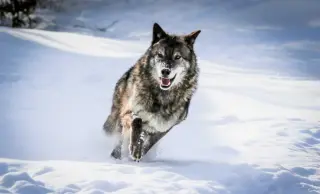
Decades after the Chernobyl disaster, wolves in the exclusion zone are thriving at higher densities than in uncontaminated areas. A Princeton-led study comparing wolves from the zone, lower-radiation Belarus, and Yellowstone finds about 3,180 genes differ in the irradiated wolves, including 23 cancer-related genes more active, suggesting rapid evolution under radiation pressure toward cancer resilience. Density differences may also reflect reduced human hunting, but the genetic signal points to possible cancer-tolerance or tumor-suppression mechanisms, with potential relevance to human cancer research; the work is published in Current Biology and led by Cara Love and Shane Campbell-Staton.

Chernobyl Wolves Multiply Sevenfold, Show Cancer-Resistant Genetic Clues
conservation28 days ago

Chernobyl Wolves Multiply Sevenfold, Show Cancer-Resistant Genetic Clues

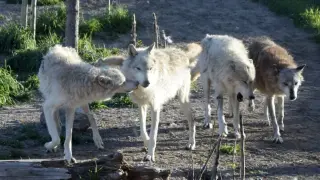
New research finds gray wolves in the Chernobyl Exclusion Zone are seven times more numerous than before the 1986 disaster, likely due to reduced human pressure, with other wildlife such as elk and deer also thriving. Evolutionary biologists from Princeton and the University of Portsmouth identified cancer-related genetic divergences in CEZ wolves—23 genes linked to multiple tumor types and signs of immune activity—based on RNA from blood samples and comparisons with Belarus and Yellowstone populations; the findings, presented at AACR 2024, suggest a possible cancer resistance in this isolated, war-surrounded ecosystem.

Chernobyl Anniversary Strikes Kill at Least 16 Across Ukraine and Russia
world29 days ago

Chernobyl Anniversary Strikes Kill at Least 16 Across Ukraine and Russia

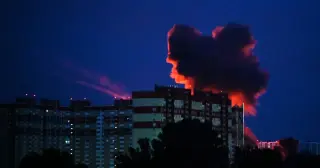
On the 40th anniversary of the Chernobyl disaster, drone and missile strikes across Ukraine, Russian-held Crimea and Russia killed at least 16 people, including nine in Dnipro; other fatalities were reported in Sevastopol and Luhansk, with Ukraine targeting a large oil refinery in Yaroslavl, as the IAEA warns over nuclear safety at the Chernobyl plant and advocates urgent safeguards.

Zelenskyy labels Russia's Chernobyl drone strikes 'nuclear terrorism' on 40th anniversary
world1 month ago

Zelenskyy labels Russia's Chernobyl drone strikes 'nuclear terrorism' on 40th anniversary

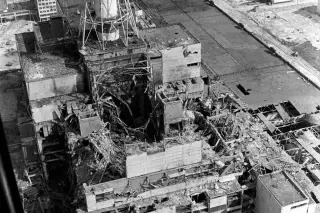
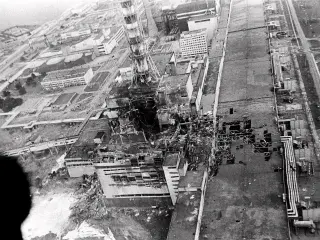
On the 40th anniversary of the Chernobyl disaster, Ukraine's president Zelenskyy denounced Russia's drone activity over the site as 'nuclear terrorism,' warning the invasion risks a man-made catastrophe even as Ukrainians honor cleanup crews and victims. The piece recalls the 1986 explosion, the massive cleanup by up to 600,000 workers, and debated death tolls, and notes ongoing Russian strikes across Ukraine around the anniversary, including casualties in Sumy and Dnipro as drones continue to fly over Chernobyl.

Chernobyl’s wildlife: thriving in a changed landscape with unresolved radiation effects
science1 month ago

Chernobyl’s wildlife: thriving in a changed landscape with unresolved radiation effects

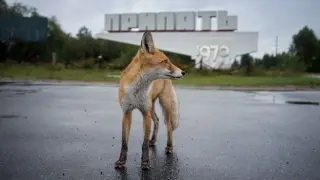
Forty years after the disaster, wildlife around the Chernobyl exclusion zone shows a mix of thriving populations and unusual traits. Some species have benefited from reduced human activity and habitat changes, while others exhibit notable features (e.g., darker tree frogs, altered forests, more wolves and bears). Scientists debate whether these changes are direct radiation adaptations or the result of environmental shifts and other factors, including transgenerational mutations and climate stress.

Rusting Sentinel: Inside Chernobyl’s Abandoned Vehicle Graveyards
world1 month ago

Rusting Sentinel: Inside Chernobyl’s Abandoned Vehicle Graveyards

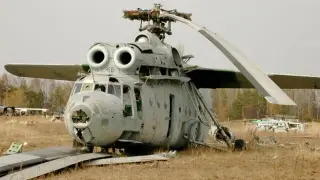
After the 1986 Chernobyl disaster, hundreds of civil vehicles and much of the helicopter fleet were deployed to clean up radioactive fallout; the machines were deemed too dangerous to reuse and were parked in large graveyards inside the Exclusion Zone at sites like Rassokha and Buryakovka, where they rusted for decades as radiation levels fell to normal, with looters stripping parts in the early years. Some removal occurred over time, and newer sites still hold remaining vehicles, all set against Ukraine’s ongoing conflict which has limited access to the zone, leaving a surreal, decaying reminder of the cleanup.

Chernobyl’s containment tested as war reaches the haven of safety
world1 month ago

Chernobyl’s containment tested as war reaches the haven of safety

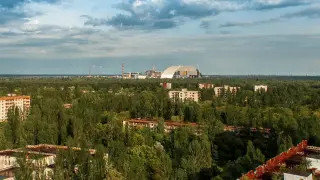
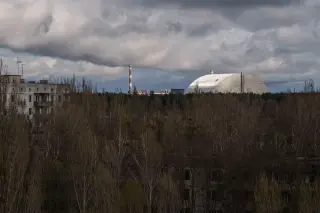
The New Safe Confinement arch built to shield Reactor No. 4 at Chernobyl faces renewed jeopardy after a 2025 drone strike damaged the structure, sparking warnings from the IAEA that its safety function could be compromised and that dismantling work may be delayed by war-related disruption. Despite no immediate rise in local radiation, the incident highlights how the invasion has upended assumptions about nuclear safety and cleanup timelines, reviving memories of the 1986 disaster for staff who have endured decades of exposure and duty at the site.

Chornobyl at 40: Life, drones and wildlife in a contested radioactive zone
world1 month ago

Chornobyl at 40: Life, drones and wildlife in a contested radioactive zone

Forty years after the 1986 disaster, the Chornobyl Exclusion Zone remains hazardous but hosts scientists, elderly returnees and soldiers; drones and Russian activity persist in parts of the zone, while wildlife — including Przewalski's horses — flourishes and researchers monitor radiation to minimize exposure, preserving memory of those who died and the communities that have adapted to this paradoxical landscape.

Chernobyl’s wild sanctuary reshapes the nuclear debate
environment1 month ago

Chernobyl’s wild sanctuary reshapes the nuclear debate

Forty years after the Chernobyl disaster, the exclusion zone remains heavily contaminated, but wildlife populations—from wolves and elk to roe and deer—flourish in the absence of humans, prompting a debate over nuclear power’s environmental trade-offs. While some scientists argue the area shows how ecosystems rebound when human pressure fades, others caution about potential genetic damage in certain species and warn against reviving nuclear energy amid safety and geopolitical risks. The discussion echoes debates sparked by Fukushima and the Korean DMZ, with broad implications for climate goals and energy security.

In Chernobyl, absence of humans reshapes wildlife more than radiation
environment-energy1 month ago

In Chernobyl, absence of humans reshapes wildlife more than radiation

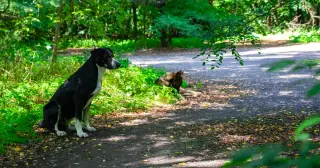
The Conversation piece argues that headlines about radiation driving dramatic wildlife changes at Chernobyl are overstated; while some dog populations show genetic differences, these are more likely due to breed history, habitat, and disease than radiation. The broader point is that the exclusion zone’s ecosystems are shaped far more by the absence of humans, effectively turning parts of it into a nature reserve, than by radiation exposure. Long‑term health effects on people from the accident remain socio‑economic and mental health concerns, underscoring the need for careful science communication to curb misinformation.

Chernobyl's Exclusion Zone Becomes a Refuge for Wildlife
environment1 month ago

Chernobyl's Exclusion Zone Becomes a Refuge for Wildlife

Decades after the 1986 disaster, wildlife has repopulated the Chernobyl exclusion zone, including Przewalski’s horses introduced in 1998, with wolves, bears and other species thriving in a landscape that remains dangerous for humans; the area is now a monitored nature reserve and military corridor, but war, fires and damaged infrastructure continue to threaten its ecosystem.