
BBC Investigation Raises Doubts in Colin Norris 'Killer Nurse' Case
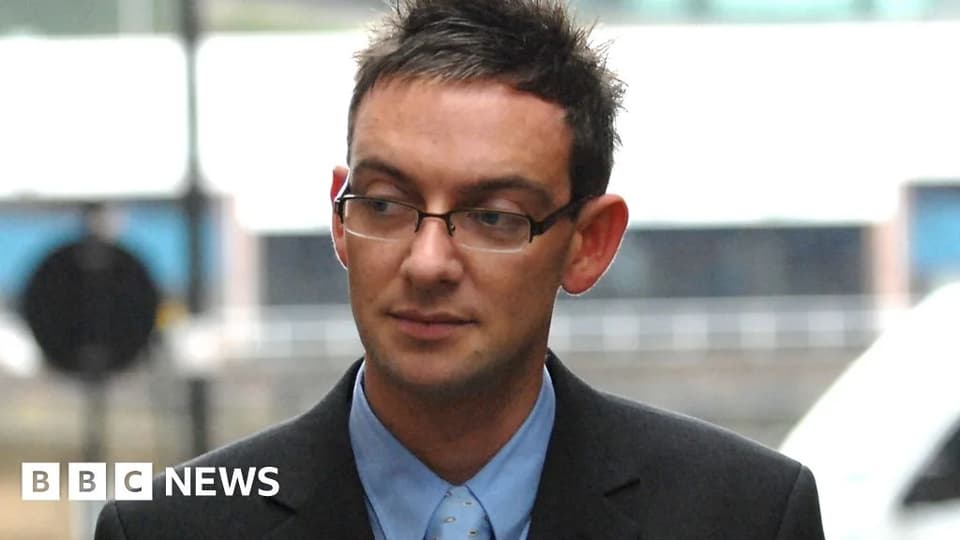
A new BBC podcast investigation questions the conviction of nurse Colin Norris, who has been imprisoned for 18 years for murdering five elderly patients. The review suggests that Ethel Hall, whose death sparked the case, may have suffered an accidental insulin mix-up rather than deliberate poisoning. While the Court of Appeal recently upheld his convictions, new scientific evidence and medical records have led some of the victim's family to doubt his guilt, calling for a retrial.
Key points
- Colin Norris was convicted in 2008 of killing four elderly patients and attempting to murder a fifth by injecting them with insulin at Leeds hospitals.
- The case began in 2002 when nurse found 86-year-old Ethel Hall in a hypoglycemic coma; blood tests showed high insulin levels, leading to her death 21 days later.
- A BBC podcast review found that a diabetic patient on the same ward was being prepared for insulin treatment at the same time Norris was preparing glucose for Ethel, raising the possibility of a syringe mix-up.
- New scientific evidence suggests that severe hypoglycemia is not as rare in frail, elderly patients as previously believed, challenging the prosecution's core argument.
- The Court of Appeal rejected Norris's latest appeal in 2025, but his lawyers have applied to the European Court of Human Rights, a process that may take years.
- Ethel Hall's family now believes a retrial is the only way to achieve closure, with some members expressing doubt about his guilt after reviewing the new evidence.
Background
This case follows a pattern of high-profile medical murder convictions that have faced scrutiny, such as the Lucy Letby case, which was the subject of a public inquiry last week. Norris's case, however, hinges on disputed interpretations of medical evidence rather than direct physical evidence of intent. Previous appeals in 2009 and 2025 were rejected, but the latest BBC investigation has introduced new questions about the reliability of the original evidence.
Why it matters
The case highlights the risks of relying on retrospective medical data and the potential for innocent people to be convicted based on misinterpreted scientific evidence. It also underscores the importance of thorough investigations and the need for retrials when new evidence emerges. The case has reignited debates about the fairness of the justice system and the role of expert testimony in criminal cases.
What to watch
Norris's lawyers are pursuing a case at the European Court of Human Rights, which could take several years. Ethel Hall's family is calling for a retrial, while Norris's mother continues to seek justice for her son. The case may also lead to a review of other similar cases where medical evidence was used to convict individuals.
Want the full story? Read the original reporting
Read on BBC