
COP31 Collapses as Oil States Block Fossil Fuel Phaseout in Favor of Carbon Capture
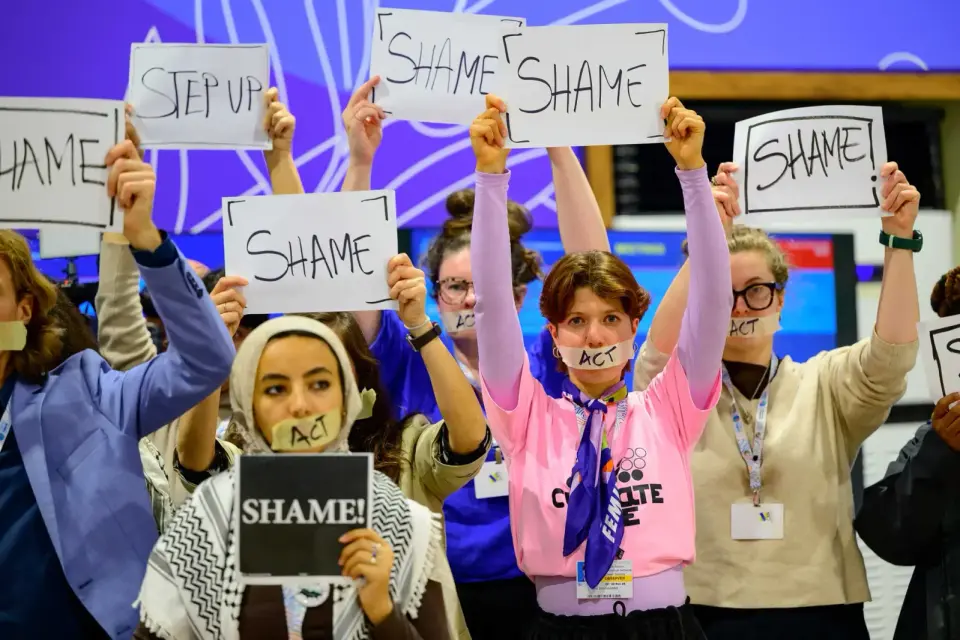
The 31st UN Climate Change Conference (COP31) in Antalya, Turkey, ended without a binding agreement after oil-producing nations blocked language calling for a fossil fuel phaseout. Instead, delegates pushed for expanded carbon capture and storage (CCS) targets, a move critics argue legitimizes continued fossil fuel dependence. The failure marks the first collapse of a global climate deal since 2009, occurring despite severe global heatwaves and flooding in 2026.
Key points
- Negotiations collapsed Sunday, two days past the scheduled end, after a final draft omitted references to phasing out fossil fuels.
- Oil states, led by Saudi Arabia, successfully blocked phaseout language while retaining nonbinding 'gigatonne scale' goals for carbon capture.
- A Nov. 16 draft had included a target to capture 500 million tons of CO2 by 2035, but current CCS capacity is a fraction of that amount.
- The European Union and a coalition of nations rejected the final proposal, citing its reliance on unproven technology over emission reductions.
- Approximately 700 carbon capture lobbyists attended the summit, outnumbering the combined delegations of all 14 Pacific Small Island Developing States.
Background
This failure follows a decade of stalled progress since the 2015 Paris Agreement. Previous UN reports in 2005 legitimized carbon capture despite limited evidence, skewing global climate models. Recent archive coverage noted that even if all nations meet current pledges, global temperatures could rise 2.6 to 2.7 degrees Celsius by 2100. The 2026 summit occurred after a year of record-breaking heatwaves and floods, including over 50,000 deaths in Europe and village destruction in Nepal.
How outlets are covering it
ProPublica and Drilled emphasize that petrostates used carbon capture as a 'moral hazard' to delay fossil fuel phaseout, noting that most CCS currently aids oil extraction rather than reducing emissions. The Guardian frames the collapse as a catastrophic failure of global leadership, arguing that the UN process is compromised by fossil fuel influence and that the world is already on track to exceed 2C warming by the late 2030s. AP News highlights that while the UN talks failed, sub-national actions and voluntary initiatives, such as a new conference in Colombia, continue to drive climate progress. AP also notes that the US did not participate directly in the talks, though a delegation led by California Gov. Gavin Newsom attended to pledge action.
Why it matters
The collapse leaves vulnerable nations without agreed financial support for adaptation, exacerbating inequalities as climate disasters intensify. The failure to address fossil fuels directly undermines efforts to meet the 1.5C warming limit, potentially leading to irreversible tipping points such as ice sheet collapse. It also signals a shift in global climate policy toward unproven technologies rather than emission reductions, raising concerns about the future of international cooperation on climate change.
What to watch
The UN climate process faces calls for reform, including banning fossil fuel lobbyists and abandoning consensus requirements. The next summit, COP32, will likely face similar divisions, while sub-national and voluntary initiatives may continue to fill the gap left by the failure of the global accord.
- At a Doomed U.N. Conference, Saudi Arabia and Other Oil States Pushed Hard for an Unproven Climate Fix ProPublica
- Global climate summit collapses as countries fail to agree on moving away from fossil fuels CNN
- A year of deadly floods and fires – and yet Cop31 still collapsed. When will our leaders grasp the scale of this crisis? The Guardian
- COP flop triggers backlash in Australia; Pacific nations express despair Reuters
- Experts say failed climate talks could worsen climate inequality, though all progress is not stalled AP News
Want the full story? Read the original reporting
Read on ProPublica