
China Intensifies Air, Naval, and Balloon Pressure on Taiwan Amid Local Elections
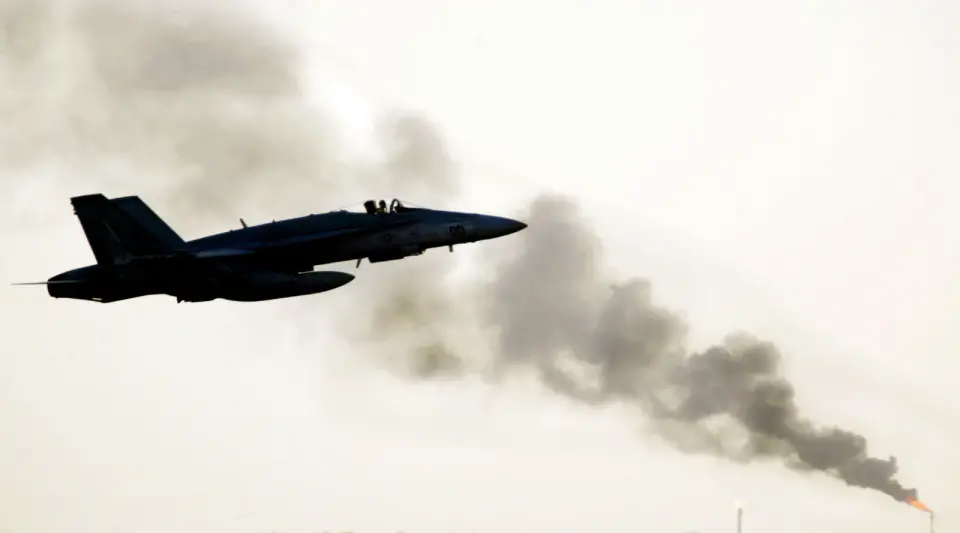
China conducted a coordinated military patrol around Taiwan involving 15 aircraft crossing the strait’s median line, coinciding with local elections and surveillance balloon sightings. Taiwan’s defense ministry detected 21 sorties, including bombers and refueling planes, while Beijing described the activity as a combat readiness drill. Simultaneously, at least 11 spy balloons were observed over the island, and Taiwan flagged nearly 2,700 social media accounts for alleged Chinese interference. The tensions occur as regional allies conduct large-scale exercises, though analysts warn that China’s use of fishing fleets poses a distinct, less visible threat to maritime security.
Key points
- Taiwan’s Ministry of National Defense detected 21 Chinese aircraft sorties on Saturday, including J-10, J-16, Su-30 fighters, H-6K bombers, and KJ-500 early warning aircraft.
- Fifteen of these sorties crossed the Taiwan Strait’s median line, entering the central and southwestern portions of Taiwan’s air defense identification zone.
- Beijing characterized the operation as a joint combat readiness patrol, coordinating air assets with naval vessels, while Taiwan deployed combat air patrols and coastal missile systems in response.
- The Telegraph reports that at least 11 surveillance balloons were detected over Taiwan in three days, coinciding with the military activity and local elections for 11,000 posts.
- Taiwan’s mainland affairs council alleged Chinese information warfare, flagging nearly 2,700 social media accounts to Meta for sharing AI-generated content targeting Democratic Progressive Party politicians.
- The i Paper highlights a separate concern regarding Chinese fishing vessels forming massive formations in the East China Sea, potentially capable of blocking shipping routes or imposing a silent siege on Taiwan.
Background
Recent months have seen escalating tensions, including Xi Jinping’s declaration that reunification is an inevitable historical mission and a large-scale naval mobilization involving over 100 vessels in late November. Earlier in October, Taiwan repelled 16 Chinese vessels in what it termed hybrid warfare operations. These developments follow a pattern of increased Chinese military activity around the island, which Beijing claims as its territory, while Taiwan maintains its sovereignty and democratic governance.
How outlets are covering it
International Business Times focuses on the technical details of the Saturday patrol, emphasizing the variety of aircraft types and the coordination with naval vessels. The Telegraph highlights the political dimension, linking the military pressure and balloon sightings to the upcoming local elections and alleged information warfare. The i Paper offers a broader strategic perspective, arguing that while Western attention is on conventional military exercises, China’s use of fishing fleets presents a subtler, more dangerous threat to global trade and Taiwan’s energy security. Taipei Times provides a narrow, daily update on specific detections, including a satellite launch, without broader analysis. The outlets differ in emphasis: IBT and Taipei Times report on immediate military detections, while The Telegraph and The i Paper contextualize these actions within broader political and strategic threats.
Why it matters
The coordinated deployment of bombers, refueling aircraft, and surveillance platforms demonstrates China’s growing ability to conduct complex, multi-domain operations near Taiwan. This activity, combined with alleged information warfare and the potential use of fishing fleets for maritime control, raises concerns about Beijing’s capacity to impose a blockade or disrupt global supply chains. As Taiwan prepares for local elections, the intersection of military pressure and political interference underscores the high stakes of cross-strait relations and the potential for escalation in the Indo-Pacific region.
What to watch
Taiwan’s defense ministry will continue monitoring Chinese military activity, deploying aircraft, ships, and coastal defense systems as needed. The outcome of the local elections, particularly the Taipei mayoral race, will be watched closely as an indicator of cross-strait relations. Analysts will assess whether the fishing vessel formations represent a new tactic for maritime control or a precursor to more aggressive actions. The US and its allies will likely maintain heightened vigilance, though attention may be diverted by other global conflicts, such as the Iran war and the Russia-Ukraine conflict.
- China Deploys Bombers, Fighter Jets Near Taiwan. 15 Aircraft Cross Median Line In Coordinated Patrol. International Business Times
- China sends spy balloons over Taiwan before crucial elections The Telegraph
- China's drills expose cost of inaction on Taiwan Taiwan News
- This unexpected threat to the West from China has become a new flashpoint The i Paper
- Chinese satellite likely to fly over Taiwan’s ADIZ on Thursday Taipei Times
Want the full story? Read the original reporting
Read on International Business Times