
Philippines Pet Cremation Scandal: Forensic Tests Reveal Urns Contain No Animal Ashes
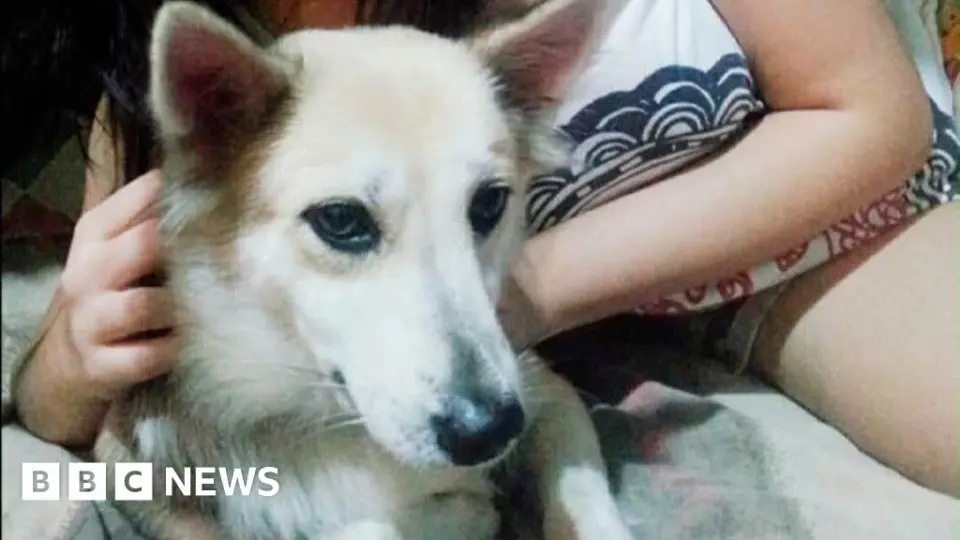
A major scandal in the Philippines has emerged after forensic tests confirmed that urns provided to pet owners by a crematorium contained no animal remains. Approximately 170 dead pets were found dumped in Bulacan, leading to criminal charges against the business owner and associates.
Key points
- The National Bureau of Investigation (NBI) confirmed that urns from Ahjay Paws Aftercare Pet Crematorium contained silicon, iron, potassium, and aluminum, but no animal remains.
- Investigations uncovered 15 dumping sites in Bulacan, yielding the remains of approximately 170 dogs and cats, many of which were labeled with names and weights.
- The NBI and Philippine Animal Welfare Society (PAWS) have filed charges of simple estafa and environmental violations against four individuals, including the crematorium owner, Jonathan Legaspi.
- PAWS is gathering evidence to elevate charges to syndicated estafa, a non-bailable offense, to ensure the accused cannot post bail.
- At least 250 pet owners have filed complaints, with many expressing distress over the betrayal of trust and the lack of closure regarding their pets' final disposition.
Background
This scandal has intensified scrutiny on the rapidly growing pet aftercare industry in the Philippines, where dog ownership has surged since the pandemic. While the country has laws against animal cruelty during life, current legislation does not explicitly cover the mistreatment of animal remains after death, a gap that lawmakers are now seeking to address.
How outlets are covering it
The BBC highlights the emotional toll on pet owners and the logistical failures that may have led to the dumping, while also noting the potential for a fraudulent racket. The Daily Tribune and Inquirer.net focus on the forensic evidence, emphasizing that the ashes were inauthentic and that the case is strong even without validating every urn. Philstar.com underscores the legal strategy to pursue syndicated estafa to prevent bail. There is a slight divergence in the scale of the operation: while the NBI and PAWS focus on the specific 29 pets initially found, the BBC reports a broader total of 170 animals across 15 sites, and the Inquirer notes 250 complaints, suggesting the scandal may be larger than the initial forensic sample indicates.
Why it matters
This case exposes critical gaps in the regulation of pet aftercare services in the Philippines. It raises serious questions about consumer protection, the integrity of forensic testing in criminal cases, and the need for stricter laws governing the treatment of animal remains. The scandal has also triggered a national debate on animal welfare and the potential for widespread fraud in the pet industry.
What to watch
The Department of Justice is expected to evaluate the complaints and determine whether to proceed with a preliminary investigation. PAWS is continuing to gather evidence to support syndicated estafa charges. A nationwide audit of pet cremation businesses is being called for by animal welfare groups, and lawmakers are pushing for new legislation to address the treatment of animal remains.
- Philippines pet dumping: Dead dogs and cats were meant to be cremated - then their bodies appeared on a livestream BBC
- NBI Files Estafa, Environmental Complaints Over Dumping of 29 Dead Pets in Bulacan Daily Tribune
- Criminal charges filed vs Cavite pet crematorium By Benjamin Pulta MANILA – The National Bureau of Investigation (NBI), along with the affected pet owners, on Thursday filed criminal charges for estafa and violation of environmental laws against individuals, Facebook
- NBI: Ashes given to pet owners negative for animal remains Inquirer.net
- Syndicated estafa eyed vs pet crematorium operator Philstar.com
Want the full story? Read the original reporting
Read on BBC