
French Navy Intercepts Two Stateless Vessels in Atlantic and Pacific, Seizing 3.3 Tonnes of Meth
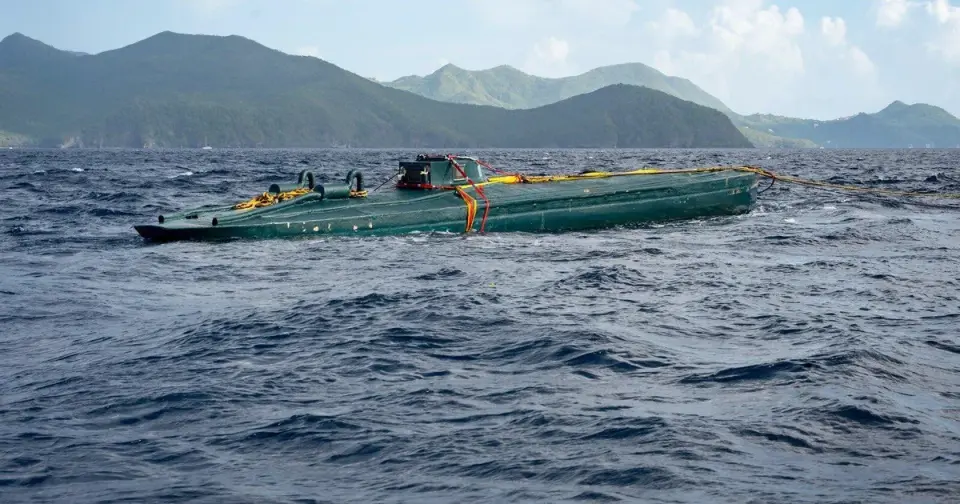
French forces intercepted two stateless vessels in separate operations this month. On November 17, a semi-submersible in the Atlantic was seized without drugs found, leading to two arrests. On November 20, a tanker in the Pacific was stopped after weeks of surveillance, yielding 3.3 tonnes of methamphetamine. The Pacific crew was released after inspection, while the Atlantic suspects face organized crime charges.
Key points
- On November 17, French forces intercepted a flagless semi-submersible in the Atlantic Ocean. No drugs were found, but two crew members were arrested based on the vessel's clandestine nature and location.
- On November 20, French forces seized a stateless tanker in the Pacific Ocean near French Polynesia. The vessel was tracked for weeks and contained 150 bales of methamphetamine weighing 3.3 tonnes.
- The Atlantic operation involved the Colombian navy and the U.S. Joint Interagency Task Force South. The Pacific operation utilized a French frigate, a Falcon 50 jet, and a U.S. Coast Guard patrol plane.
- In a separate November 12 Atlantic operation, a semi-submersible sank after the crew jumped overboard. French forces recovered 146 kg of cocaine, and four Colombians were arrested and remanded in custody.
- French armed forces minister Catherine Vautrin stated the November 17 interception disrupted a criminal network's logistics. The Pacific crew was released after inspection, a strategy that previously allowed a vessel to reappear in Australian waters.
Background
France has intensified maritime patrols in the Atlantic and Pacific to combat drug trafficking. In January 2026, French forces seized 4.8 tonnes of cocaine from a stateless supply ship and 4.2 tonnes from a small tanker. Authorities have seized over 15 metric tons of narcotics in the region since the start of the year. Semi-submersible vessels, often built in clandestine jungle shipyards, are increasingly used to transport cocaine from Colombia to destinations in Central America, Mexico, and across the Atlantic and Pacific oceans.
How outlets are covering it
CBS News and World Border Security Congress focus on the November 17 Atlantic interception, noting the lack of drugs found but emphasizing the strategic blow to trafficking logistics. Euronews and The Maritime Executive highlight the November 20 Pacific seizure, detailing the 3.3 tonnes of methamphetamine and the release of the crew after inspection. The Maritime Executive notes that this release strategy has previously failed, as a released vessel reappeared in Australian waters with hidden drugs. All sources agree on the increasing threat posed by stateless vessels and the importance of international cooperation.
Why it matters
The interceptions highlight the evolving tactics of drug traffickers, who are using semi-submersibles and stateless tankers to evade detection in international waters. The success of the French navy in seizing large quantities of methamphetamine and disrupting logistics networks demonstrates the effectiveness of coordinated international operations. However, the release of the Pacific crew raises concerns about the long-term efficacy of such strategies, as traffickers may hide additional drugs or reappear in other jurisdictions.
What to watch
The two crew members arrested in the November 17 Atlantic interception will face trial under organized crime charges. The 3.3 tonnes of methamphetamine seized in the Pacific will be destroyed after further examination in Tahiti. French authorities will continue to monitor the released Pacific vessel and its crew, given the risk of re-emergence in other waters. The national organized crime prosecutor's office will oversee both investigations.
- Suspected "narco sub" intercepted in Atlantic Ocean but no drugs found on board CBS News
- French navy seizes 3.3 tonnes of methamphetamine from stateless tanker in Pacific Euronews.com
- MAOC-N supports the seizure of 146 kg of cocaine by French authorities in the Atlantic Ocean World Border Security Congress
- French Navy Intercepts Stateless Tanker in Pacific Smuggling Meth The Maritime Executive
- French Armed Forces seize 3.328 metric tons of meth in Pacific Matangi Tonga
Want the full story? Read the original reporting
Read on CBS News