
South African Court Invalidates 2022 Report, Halting Ramaphosa Impeachment Proceedings
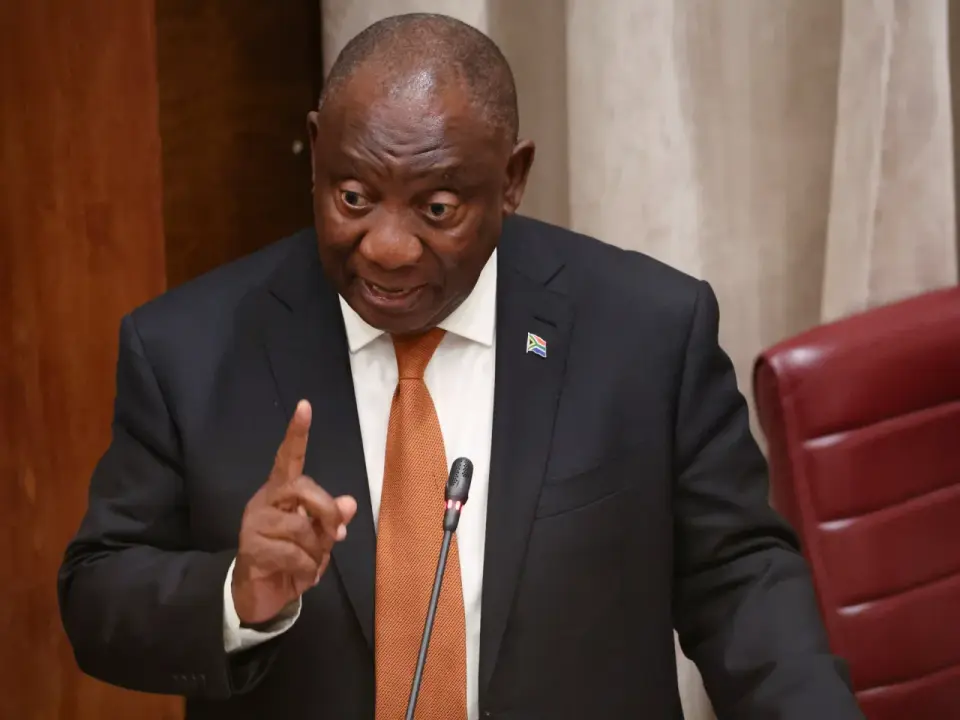
The Western Cape High Court has declared the 2022 independent panel report on President Cyril Ramaphosa unlawful, effectively halting parliamentary impeachment proceedings. The court found the panel exceeded its mandate and made material legal errors. This ruling provides Ramaphosa with a political reprieve, though opposition parties have signaled intent to appeal. The decision removes the primary basis for the impeachment inquiry, which had been revived by the Constitutional Court in May 2026 after parliament unconstitutionally blocked the process in 2022.
Key points
- The Western Cape High Court ruled on Wednesday that the 2022 independent parliamentary panel report on President Cyril Ramaphosa was unlawful and set it aside in its entirety. Judge Nolwazi Mabindla-Boqwana stated the panel 'fundamentally misconstrued its functions' and 'went beyond its lawful remit.'
- The 2022 report had accused Ramaphosa of serious misconduct related to the 2020 theft of approximately $580,000 in US currency from a sofa at his Phala Phala game farm in Limpopo. The report claimed Ramaphosa failed to report the theft through proper channels and violated constitutional rules regarding paid work from his farm.
- Ramaphosa has consistently denied wrongdoing, stating the cash was from the legitimate sale of buffaloes. He challenged the report in court after the Constitutional Court ruled in May 2026 that parliament's 2022 vote to block the impeachment process was unconstitutional.
- The ruling removes the basis for the current parliamentary impeachment inquiry. Legal expert Professor Richard Calland described the impeachment process as 'dead in the water,' noting that any party wishing to revive it would need to establish a new basis. Opposition parties, including the African Transformation Movement, have criticized the ruling and indicated they intend to appeal.
- The ANC, Ramaphosa's party, has enough parliamentary seats to block an impeachment vote, which requires a two-thirds majority. The party suffered its worst-ever local election result in November 2026, securing about 31% of the vote, extending a decline that saw it lose its national parliamentary majority in 2024.
Background
The 'Farmgate' scandal emerged in 2022 when former intelligence chief Arthur Fraser accused Ramaphosa of concealing a 2020 burglary at his farm. The theft involved cash hidden in a sofa, with Fraser alleging $4 million was stolen, while Ramaphosa's office confirmed the amount was approximately $580,000. In 2022, an independent parliamentary panel found Ramaphosa had 'a case to answer,' but the ANC used its majority to block impeachment. The Constitutional Court revived the process in May 2026, ruling the 2022 block unconstitutional. The Western Cape High Court had temporarily halted the inquiry in July 2026 pending this ruling. The ANC lost its national parliamentary majority in 2024 and faced significant electoral setbacks in November 2026 local elections, where it won about 31% of the vote, its lowest-ever result.
How outlets are covering it
Al Jazeera, BBC, and The New York Times all report the court's ruling as a decisive victory for Ramaphosa, halting the impeachment process. Al Jazeera emphasizes the political reprieve for Ramaphosa and the ANC, noting the party's recent electoral decline. BBC highlights the legal nuances, noting the ruling is not a criminal finding but an indictment of the panel's report, and quotes legal experts describing the impeachment process as 'dead in the water.' The New York Times focuses on the court's citation of a lack of evidence and the temporary halt of proceedings. All sources agree that opposition parties intend to challenge the decision, but differ on the likelihood of success, with BBC and Al Jazeera citing legal experts who doubt parliament will appeal, while Al Jazeera notes the African Transformation Party's criticism.
Why it matters
The ruling removes the primary legal basis for impeachment proceedings against President Ramaphosa, providing him with a political reprieve at a vulnerable moment for the ANC. The decision underscores the complex interplay between parliamentary and judicial powers in South Africa's constitutional framework. It also highlights the ongoing political instability surrounding Ramaphosa, who faces declining support for the ANC and potential challenges from opposition parties. The outcome may influence future political dynamics in South Africa, particularly as the ANC prepares to elect its next leader in 2027 and Ramaphosa's term ends in 2029.
What to watch
Opposition parties, including the African Transformation Movement, have indicated they intend to appeal the ruling. If the appeal is successful, the parliamentary committee could resume examining the charges against Ramaphosa. However, legal experts suggest it is unlikely parliament will appeal, and any party wishing to revive impeachment would need to establish a new basis. The ANC is due to elect its next leader in 2027, when Ramaphosa will step down after two five-year terms as party leader. His presidential term is set to end in 2029.
- South Africa court repeals ‘farmgate’ impeachment threat against Ramaphosa Al Jazeera
- Phala Phala farm theft: South Africa's Ramaphosa wins court battle over impeachment threat BBC
- South African President Wins Reprieve From ‘Farmgate’ Impeachment Investigation The New York Times
- South African leader wins reprieve in impeachment threat over cash in sofa Reuters
- South African court throws out critical report over Ramaphosa farm cash theft AP News
Want the full story? Read the original reporting
Read on Al Jazeera