
Russian Bombers Approach South Korean Airspace, Triggering Emergency Shelter Alerts and Diplomatic Protest
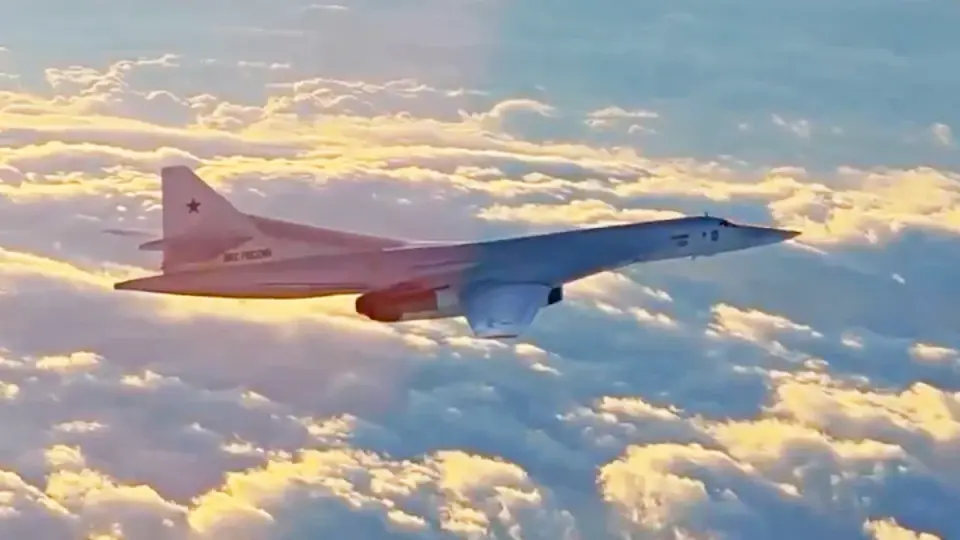
On November 24, 2026, Russian military aircraft, including Tu-160 strategic bombers, flew within 500 meters of South Korean sovereign airspace near Ulleungdo Island. Seoul scrambled F-15K fighters and issued a brief emergency shelter alert for residents, which was lifted after three minutes. The incident prompted a formal diplomatic protest from South Korea to Moscow, though Seoul clarified the aircraft did not violate territorial airspace. This event marks the third unannounced entry into South Korea’s Air Defense Identification Zone (KADIZ) in eight days, amid heightened tensions in Northeast Asia.
Key points
- Russian Aerospace Forces conducted a long-range patrol over the Sea of Japan involving Tu-160 bombers and fighters, including Su-35S and Su-30SM aircraft, with reports suggesting possible Su-57 involvement.
- The formation approached within approximately 500 meters of South Korean airspace near Ulleungdo Island before turning away; this proximity figure was reported by South Korean broadcaster SBS but not independently verified.
- South Korean authorities scrambled F-15K Slam Eagle fighters to monitor the formation and prevent potential airspace violations.
- A local government authority erroneously identified the aircraft as likely North Korean, triggering a brief emergency shelter warning for Ulleungdo residents, which was lifted after three minutes.
- South Korea’s Ministry of National Defense summoned Russian defense attaché Colonel Nikolai Marchenko to deliver a formal protest, demanding measures to prevent recurrence.
- Seoul clarified that the aircraft entered the KADIZ but did not violate sovereign territorial airspace, distinguishing between the two zones.
Background
The November 24 incident follows a pattern of increased Russian military aviation activity in Northeast Asia. In late November 2026, Russian aircraft also breached Japanese airspace near Fukuoka and passed through Taiwan’s ADIZ, coinciding with the APEC summit in Shenzhen. Historically, Russian entries into KADIZ have increased since 2022, with approximately 20 entries in 2022 compared to fewer than 10 in 2020. Analysts link these flights to closer Moscow-Pyongyang ties and strained Seoul-Moscow relations since the 2022 Ukraine war. A 2021 plan for a direct military communication hotline between Russia and South Korea was suspended after 2022, leaving no formal channel to de-escalate such incidents. The backdrop includes deepening US-South Korea-Japan security cooperation, including the fourth 'Freedom Edge' exercise in September 2026.
How outlets are covering it
TWZ emphasizes the military and diplomatic dimensions, highlighting the scramble of F-15K fighters, the formal protest to Moscow, and the potential involvement of advanced Su-57 fighters, though noting uncertainty about their role. Politico focuses on the civilian impact, detailing the brief emergency shelter alert for Ulleungdo residents and the initial misidentification of the aircraft as North Korean. Both sources agree on the core facts: the aircraft approached closely but did not violate sovereign airspace, and Seoul responded with a diplomatic protest. TWZ provides more detail on the aircraft types and the Russian Ministry of Defense’s account, while Politico highlights the confusion in the initial emergency response.
Why it matters
The incident underscores the rising tensions in Northeast Asia and the strategic significance of Russian military aviation operations near South Korea. It highlights the ambiguity of ADIZs and the potential for miscommunication or miscalculation, as seen in the erroneous shelter alert. The repeated entries into KADIZ in 2026 suggest a shift in Russian military signaling, potentially aimed at pressuring Seoul and Washington or demonstrating strategic capabilities. The lack of a direct military communication channel between Russia and South Korea increases the risk of escalation, while the backdrop of US-South Korea-Japan security cooperation adds another layer of complexity to the regional security landscape.
What to watch
South Korea has demanded measures to prevent recurrence of unannounced Russian entries into KADIZ. The diplomatic fallout may lead to further tensions between Seoul and Moscow, particularly given the suspended 2021 plan for a direct military communication hotline. Analysts suggest the flights may be part of a broader strategy to pressure for sanctions relief or mirror US strategic deployments. The next steps will depend on whether Russia responds to Seoul’s protest and whether similar incidents occur in the coming weeks, potentially influencing regional security cooperation and diplomatic relations in Northeast Asia.
- Seoul Scrambles F-15Ks As Russian Warplanes Come Within Seconds Of Crossing Into South Korean Airspace TWZ
- Russian Warplanes Trigger Alarm Among U.S. Partners in Asia WSJ
- South Korea issues 'take shelter' warning after Russia aircraft fly near airspace Reuters
- 'Evacuation, air raid,' — Russian military aircraft approach South Korean island, trigger air raid alert The Kyiv Independent
- South Korea says several Russian aircraft flew into its air defense zone Politico
Want the full story? Read the original reporting
Read on TWZ