
Malaysia Sets September 29 Date for First Rohingya Repatriation Amid Safety Concerns
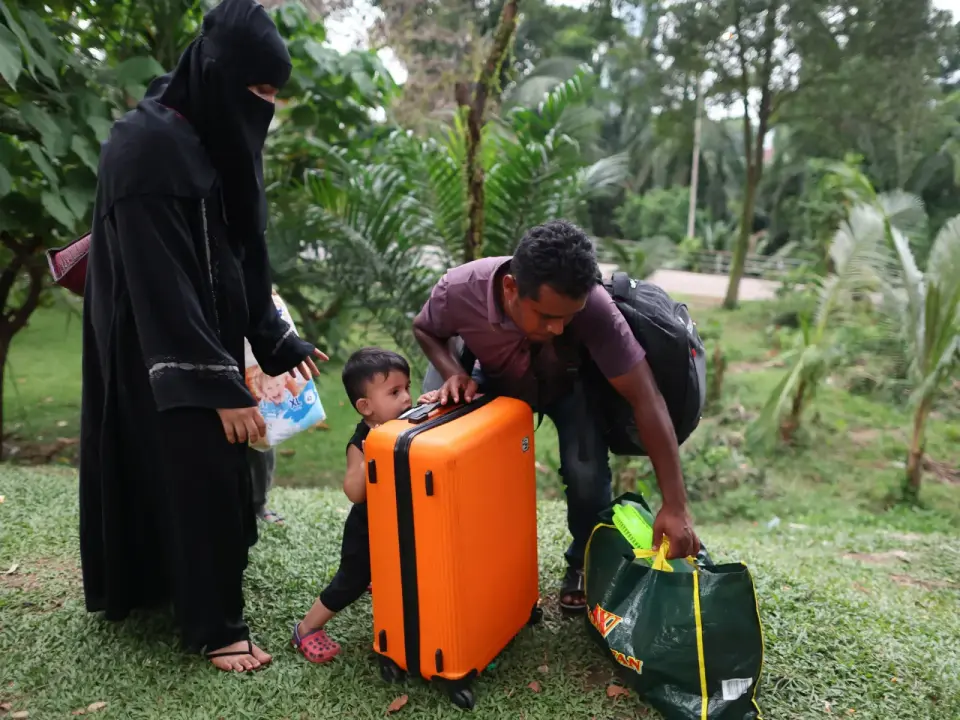
Malaysia will repatriate 1,476 Myanmar nationals, primarily Rohingya, on September 29, 2026, using naval vessels. The government insists the process is voluntary and safe, but rights groups warn that conditions in Myanmar remain dangerous. This first phase is part of a broader agreement to return 5,000 individuals, while 4,008 others will be processed under a new registration program.
Key points
- The first phase of voluntary repatriation involves 1,476 individuals returning on September 29, 2026.
- Myanmar agreed to accept 5,000 Rohingya, while 4,008 others will enter a Refugee Registration Document program.
- The transfer will utilize two Myanmar naval warships and a hospital ship.
- Malaysia currently holds 10,388 Myanmar nationals in immigration detention, with identity verification ongoing.
- Rights groups and the UN warn that conditions in Myanmar do not currently support safe or dignified returns.
Background
This development follows the ninth anniversary of the 2017 military crackdown in Rakhine State, which displaced over one million Rohingya to Bangladesh. Malaysia, which is not a signatory to the 1951 Refugee Convention, hosts over 215,000 refugees, including 126,000 Rohingya. Recent tensions in Malaysia included the detention of over 100 Rohingya seeking UN assistance and online disinformation campaigns targeting the community. Earlier in 2026, boat disasters off Myanmar’s coast resulted in hundreds of deaths, highlighting the ongoing humanitarian crisis.
How outlets are covering it
Al Jazeera and Euronews report the government’s finalized plan, emphasizing the voluntary nature of the return and the logistical details involving naval ships. They note that Malaysia’s communications minister stated repatriation would not proceed if lives were at risk. In contrast, Human Rights Watch and five international rights groups, cited by Al Jazeera and UCA News, argue that conditions for safe return do not exist due to ongoing war crimes and lack of citizenship rights in Myanmar. UCA News frames the issue through a humanitarian and ethical lens, questioning whether the return is truly voluntary or a transfer of burden, while noting the regional lack of a comprehensive refugee system. AP News provides similar factual details on the numbers and the diplomatic agreement, focusing on the administrative aspects of the repatriation.
Why it matters
The repatriation marks a significant shift in Malaysia’s refugee policy, potentially setting a precedent for other Southeast Asian nations. It highlights the tension between diplomatic agreements and human rights protections, as the safety of returning refugees remains unverified. The move also reflects growing domestic pressure in Malaysia to address its large refugee population, which has led to social tensions and political scrutiny. The outcome will determine whether international safeguards can prevent forced displacement or if refugees face renewed persecution in Myanmar.
What to watch
Malaysia’s immigration department will continue verifying the identity and security background of detainees by the end of 2026. The government is negotiating with Myanmar to ensure the process is orderly and dignified. Rights groups will likely monitor the first group’s return to assess safety conditions. Further phases of repatriation may follow if the initial group is deemed safe, though this remains contingent on the situation in Myanmar.
- Malaysia to return 1,500 Rohingya refugees next month, despite safety fears Al Jazeera
- Malaysia says first Myanmar repatriations will start on Sept. 29 Reuters
- Malaysia to return 1,476 Myanmar nationals in first phase of voluntary repatriation program AP News
- Malaysia to repatriate first group of Myanmar nationals in September, government says Euronews.com
- A homecoming without justice is no homecoming at all ucanews.com
Want the full story? Read the original reporting
Read on Al Jazeera