
Faber halts UK distribution of Sally Rooney’s novels over Palestine Action pledge
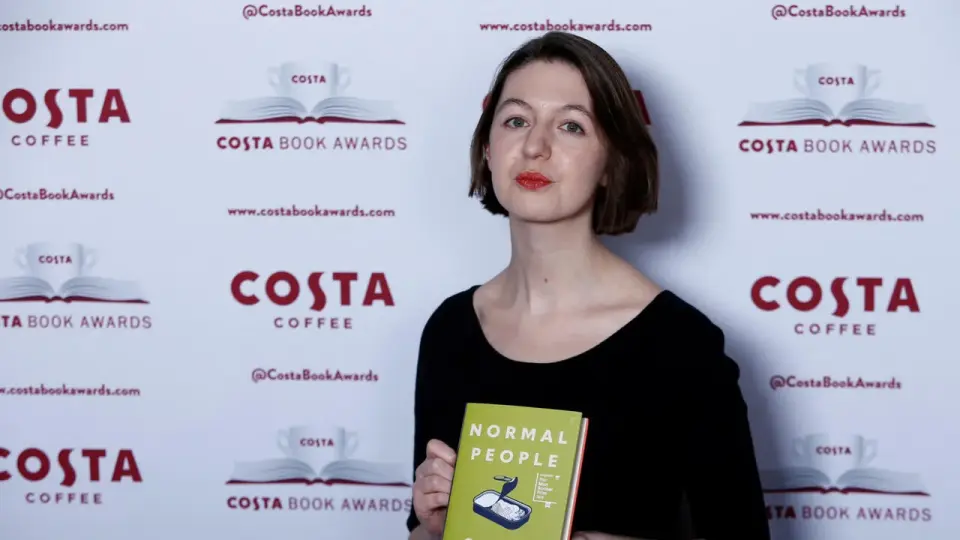
Irish novelist Sally Rooney’s books are no longer being supplied to UK retailers by her publisher, Faber, because Rooney pledged to donate royalties to Palestine Action, a group designated as a terrorist organization in Britain. The withdrawal, announced on October 15, 2026, stems from UK legislation that prohibits passing funds to proscribed groups. While physical copies remain on shelves, new sales and digital editions have been removed. The move has sparked debate over free speech and the application of terrorism laws to protest groups.
Key points
- Faber ceased supplying Rooney’s works in all formats to UK bookshops on October 15, 2026, citing legal risks associated with paying royalties to an author supporting a proscribed group.
- Rooney, 35, pledged in July 2025 to use earnings from her novels and BBC adaptations to support Palestine Action, a group banned by the UK government in July 2025.
- Support for Palestine Action is a criminal offense in the UK punishable by up to 14 years in prison, though the group claims it engages only in non-violent direct action against military assets.
- The Booksellers Association confirmed that existing physical stock in UK shops can still be sold, but distributors have run out of new copies, leading to a scramble among retailers.
- Rooney stated she is 'wholly prepared to accept the consequences' of her stance, while Faber described the situation as 'unconscionable' for a publisher unable to pass on earnings.
Background
This development follows the UK government’s proscription of Palestine Action in July 2025, which has led to over 3,000 arrests and 1,200 charges under the Terrorism Act, though no convictions have yet been secured. The ban has faced legal challenges, with the High Court ruling the proscription disproportionate in February 2026, a decision overturned by the Court of Appeal in June. A Supreme Court challenge is scheduled for November 2026. Additionally, the UK formally recognized a Palestinian state and banned goods from Israeli settlements in September 2026, reflecting shifting political stances under Prime Minister Andy Burnham.
How outlets are covering it
France 24 emphasizes the logistical chaos in UK bookstores, noting that retailers rushed to stock up on Rooney’s novels before distributors ran out, with booksellers describing the situation as 'absolutely ridiculous' and a form of censorship. The outlet highlights the legal ambiguity faced by booksellers and the broader debate over the proportionality of the ban. The Guardian frames the issue as a matter of artistic courage and free speech, arguing that Rooney’s decision to risk arrest and financial loss for her political beliefs is a 'brave and humane' stand that mocks the absurdity of applying terrorism laws to a literary figure. The Guardian contrasts Rooney’s actions with the government’s previous handling of pro-Palestinian protests, noting the disproportionate number of arrests among older citizens. Both outlets agree that the move has intensified scrutiny of the UK’s terrorism legislation, but France 24 focuses on the immediate commercial impact, while The Guardian focuses on the symbolic and legal implications for free expression.
Why it matters
The case of Sally Rooney illustrates the tension between anti-terrorism legislation and artistic freedom in the UK. It raises questions about the proportionality of banning protest groups and the chilling effect such laws may have on public discourse. The situation also highlights the economic and legal risks faced by publishers and authors who support proscribed causes, potentially setting a precedent for how cultural figures navigate political activism in a legal framework that criminalizes support for designated organizations.
What to watch
A Supreme Court challenge to the ban on Palestine Action is scheduled for November 2026, which could determine the legality of the proscription. In the meantime, UK bookstores will continue to sell existing stock of Rooney’s novels, but no new copies will be supplied. The case may also influence public opinion and political pressure on the UK government to reconsider its stance on Palestine Action and related terrorism laws.
- UK bookstores scramble as Sally Rooney's novels pulled over Palestine Action support France 24
- Sally Rooney Says Her Novels Will No Longer Be Sold in U.K. The New York Times
- Sally Rooney’s books will no longer be sold in U.K. after Palestinian Action support NPR
- UK bookstores scramble as Sally Rooney's novels are withdrawn because she supports Palestine Action ABC News - Breaking News, Latest News and Videos
- Sally Rooney’s stand on Palestine is brave and humane The Guardian
Want the full story? Read the original reporting
Read on France 24