
Netanyahu Rejects Obama’s ‘Stolen Land’ Accusations, Blames Regional Enemies for Peace Stalls
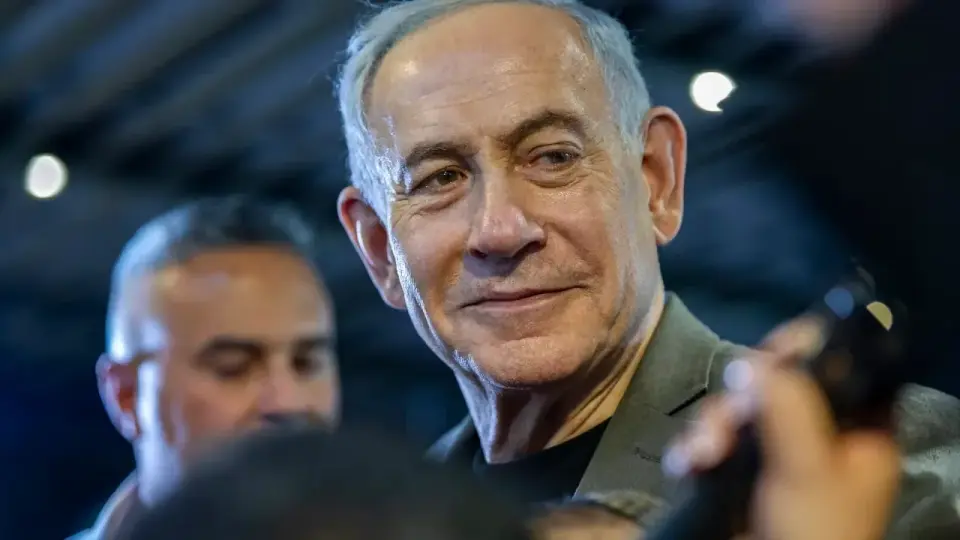
Israeli PM Benjamin Netanyahu sharply rebutted former US President Barack Obama’s recent comments in Belfast, which characterized Israel’s presence as taking land from Palestinians. Netanyahu called the remarks 'regrettable,' asserting that the Jewish connection to the land is ancestral rather than colonial. While Obama argued Israel has 'ceded moral ground' by prioritizing military dominance over concessions, Netanyahu blamed regional adversaries, including Iran, for blocking peace. This exchange occurs ahead of Israel’s October 27 general election, amidst heightened tensions in the West Bank.
Key points
- Netanyahu responded to Obama’s Belfast remarks via a video on X, stating, 'Our land is not stolen land. This is our homeland.'
- Obama, speaking with journalist Susan McKay, suggested Israel’s refusal to make concessions has caused it to 'cede moral ground.'
- Netanyahu differentiated Israel from European colonial powers, comparing the situation to 'Jews in Judea' rather than 'Belgians in the Congo.'
- The former US President urged Israel to find ethical ways to defend itself while acknowledging that Palestinians cannot 'outweaponize' Israel.
- Netanyahu identified 'Death to Israel' chants in states like Iran as the primary obstacle to peace, not Israel’s policies.
Background
This diplomatic clash unfolds against a backdrop of escalating settler violence in the West Bank and a tight Israeli general election scheduled for October 27. Recent months have seen a surge in settler attacks and displacement of Palestinian communities, which critics link to the current government’s policies. Obama’s comments, delivered during a visit to Northern Ireland where he also received an honorary degree, add international scrutiny to Israel’s security strategies just weeks before voters decide the nation’s political direction.
Why it matters
The exchange highlights a fundamental divergence in how the US and Israel view the path to regional stability. Obama’s emphasis on moral concessions and nonviolent strategies contrasts with Netanyahu’s focus on existential security and historical rights. This debate influences international support for Israel and shapes the narrative surrounding the upcoming election, where candidates are grappling with both security threats and domestic political divisions.
What to watch
Attention will turn to the October 27 Israeli general election, where the outcome may determine whether the current government’s hardline stance continues or shifts. International observers will monitor if Obama’s comments influence US policy or diplomatic pressure on Israel regarding West Bank settlements and security operations.
Want the full story? Read the original reporting
Read on The Jerusalem Post