
Brazil Amazon Deforestation Hits Record Low Before Pivotal Election
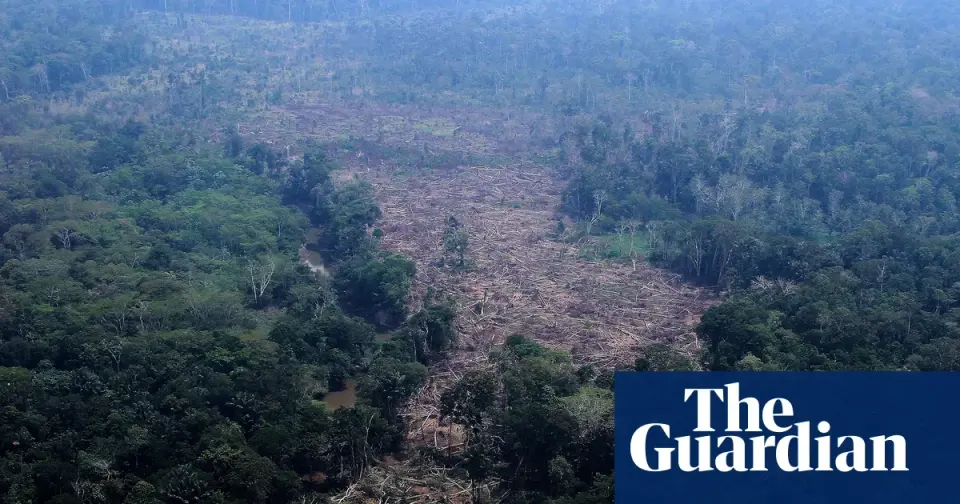
Brazilian Amazon deforestation dropped to its lowest level since 1988, but a presidential runoff on October 25 threatens to reverse these gains. Incumbent Lula da Silva credits enforcement for the 41.8% drop, while challenger Flávio Bolsonaro opposes environmental protections.
Key points
- Prodes satellite data shows Amazon deforestation fell 41.8% to 3,335 square kilometers, the lowest since records began in 1988.
- Deforestation rates have slowed by 71.2% since 2022, attributed to stronger enforcement and state investments under Lula da Silva.
- A presidential runoff on October 25 pits Lula against Flávio Bolsonaro, who vows to release his father Jair Bolsonaro and prioritize extractive industries.
- The Cerrado biome also recorded its lowest deforestation since 2001, dropping 48.4% over four years.
- Pará, Mato Grosso, and Amazonas had the highest deforestation rates but still saw declines of over 45% compared to the previous year.
Background
Brazil’s environmental policies have fluctuated significantly between administrations. The current decline in deforestation follows a sharp increase during Jair Bolsonaro’s term (2019-2023), which saw a 59.5% rise in forest clearance. Conservationists view the recent data as proof that strong enforcement can halt destruction, but warn that political shifts could reverse progress. The archive contains no relevant background on this specific environmental story, as previous entries focus on unrelated topics like sports, electronics, and sales.
Why it matters
The outcome of the October 25 election will determine whether Brazil continues its trend toward zero deforestation or returns to policies that encourage resource extraction. This decision impacts global climate stability, Indigenous rights, and international trade relations, particularly regarding critical minerals and US-Brazil ties.
What to watch
The presidential runoff between Lula da Silva and Flávio Bolsonaro takes place on October 25. The winner will set the direction for environmental enforcement, trade priorities, and relations with the US administration under Donald Trump.
Want the full story? Read the original reporting
Read on The Guardian