
Raja Shehadeh Secretly Smuggles Decades of Palestinian Diaries to UK Universities
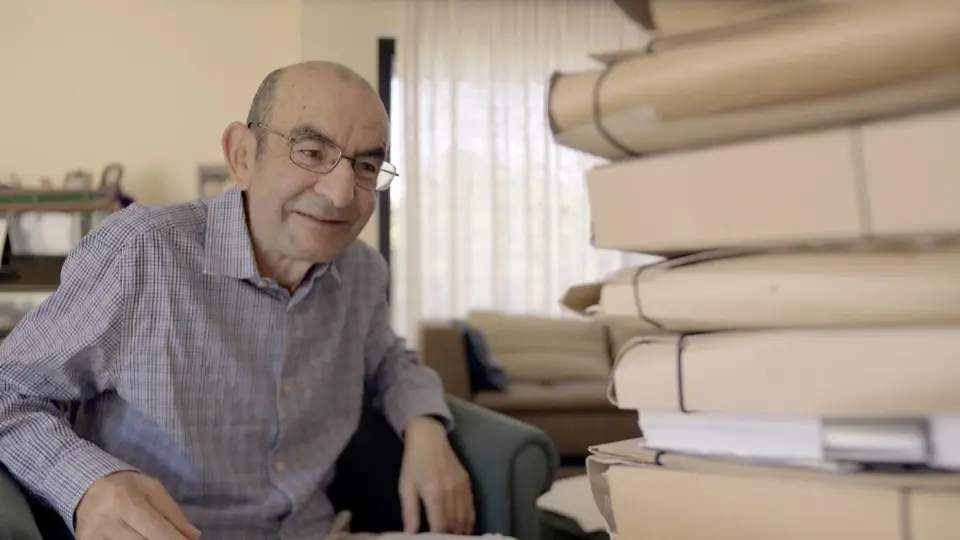
Award-winning Palestinian writer Raja Shehadeh has completed a two-year covert operation to move his personal archives from Ramallah to Scotland. The collection, which includes diaries spanning from 1967 to the present, was digitized and shipped via ordinary mail to bypass potential seizure. The materials are now housed at the University of Edinburgh and published online by the University of Exeter. Shehadeh, 75, feared Israeli military operations would destroy the records, citing historical precedents of archival destruction in 1948, 1982, and 2002. The diaries document his life as a human rights lawyer, his role in peace talks, and his observations of Israeli occupation, including the 2002 Intifada. Shehadeh also included documents related to the 1985 murder of his father, which he believes was shielded by Israeli authorities to protect a collaborator. He views the preservation of these records as a crucial act of truth-telling and steadfastness.
Key points
- Raja Shehadeh, a 75-year-old author and human rights lawyer, moved his personal archives from his garage in Ramallah to the University of Edinburgh in Scotland.
- The transfer was a discreet, two-year effort involving digitization by staff from the University of Edinburgh and the University of Exeter, followed by shipment via ordinary mail to avoid detection.
- The archives contain diaries written continuously since 1967, documenting the start of the Israeli occupation, as well as legal documents and personal correspondence.
- Shehadeh feared the archives would be destroyed, referencing the 1948 Nakba, the 1982 Beirut raid, and the 2002 invasion of Ramallah, where private papers were seized and destroyed.
- The collection includes a 40-year investigation into the 1985 murder of his father, Aziz Shehadeh, which Shehadeh believes was not properly investigated by Israeli police to protect a collaborator.
- Shehadeh describes his diary writing as a discipline for understanding history and venting frustration, particularly regarding the 1990s peace accords and settlement expansion.
Background
Raja Shehadeh is a prominent Palestinian writer and legal advisor who has been documenting Palestinian life since the 1967 occupation. His work often focuses on the concept of sumud, or steadfastness, as a form of resistance. The current move of his archives follows a pattern of concern over the preservation of Palestinian historical records, which have faced destruction or seizure in previous conflicts. The digitization and relocation to UK institutions represent a significant effort to safeguard these primary sources from potential loss due to ongoing military operations in the West Bank.
Why it matters
The preservation of Shehadeh's diaries provides a unique, first-person account of the Israeli-Palestinian conflict, offering insights into the daily realities of occupation, the psychological impact on residents, and the internal debates within Palestinian leadership. By moving these records to secure institutions in the UK, Shehadeh ensures that this historical evidence is protected from potential destruction, contributing to the broader record of human rights and historical truth. The online publication of these materials allows global access to primary sources that might otherwise be lost, enhancing transparency and historical understanding.
What to watch
The University of Exeter will continue to make the digitized archives available online, allowing researchers and the public to access Shehadeh's writings and documents. Shehadeh may continue to add to his diaries, and the archive will serve as a long-term resource for understanding the Palestinian experience. The Israeli foreign ministry has not responded to requests for comment regarding the fears of archival destruction, and the situation in the West Bank remains a point of concern for the safety of cultural and historical materials.
Want the full story? Read the original reporting
Read on NPR