
Greece Reopens Old Acropolis Museum Amid Renewed Demand for Parthenon Marbles
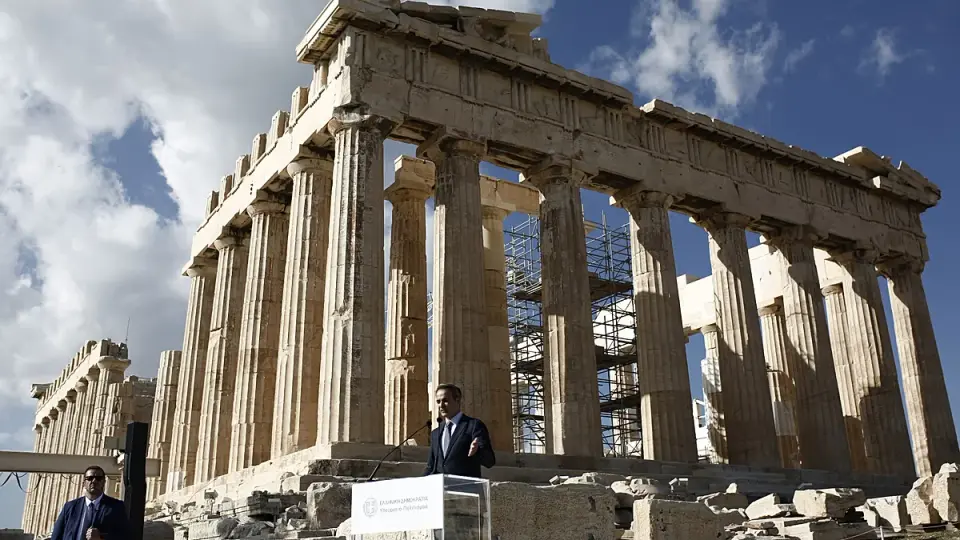
Greek Prime Minister Kyriakos Mitsotakis reopened the Old Acropolis Museum on November 23, 2026, using the event to reassert Greece's non-negotiable demand for the return of the Parthenon Marbles from the British Museum. The 20-year closure of the historic building was resolved by integrating it into the archaeological site rather than using it as storage. Mitsotakis emphasized that the sculptures must return to their original location under Attic light, rejecting any agreement that recognizes foreign ownership of Greek national treasures.
Key points
- Kyriakos Mitsotakis officially reopened the Old Acropolis Museum on November 23, 2026, ending a 20-year closure that began when exhibits moved to the new museum.
- The Greek Prime Minister declared the return of the Parthenon Marbles a 'non-negotiable national objective,' stating that no solution can be accepted if it recognizes foreign ownership of Greek treasures.
- Mitsotakis rejected the 'easy option' of using the old building as a storeroam or office space, choosing instead to reintegrate it into the living fabric of the Acropolis archaeological site.
- The Prime Minister argued that the sculptures belong in direct contact with the temple they originated from, emphasizing that 2,500 years of history cannot be erased by current ownership disputes.
- The reopening was framed as returning to the starting point of modern Greek archaeology, where the Old Acropolis Museum served as the first home for Acropolis finds.
Background
This event follows a period of cultural engagement in Greece, including recent media attention on archaeological themes in entertainment, such as the premiere of the Peacock series 'Dig' on November 23, 2026, which features an archaeological expedition in Greece. The Parthenon Marbles dispute remains a long-standing diplomatic issue between Greece and the United Kingdom, with Greece consistently demanding the return of the sculptures to Athens.
Why it matters
The reopening of the Old Acropolis Museum serves as a symbolic and physical reinforcement of Greece's stance on cultural heritage sovereignty. By integrating the historic building into the active archaeological site, the Greek government has created a permanent platform for its repatriation campaign. This move signals that the demand for the Parthenon Marbles is not a temporary political issue but a core component of national identity and historical continuity, potentially influencing future diplomatic negotiations with the British Museum.
What to watch
The Greek government will likely continue to use the reopened Old Acropolis Museum as a focal point for international advocacy regarding the Parthenon Marbles. Diplomatic discussions with the United Kingdom may intensify as Greece leverages the cultural significance of the restored site to pressure for the return of the sculptures. The British Museum's response to this renewed public and political emphasis will be a key indicator of whether any progress is made in the long-standing dispute.
Want the full story? Read the original reporting
Read on Euronews.com