
Ukraine’s 2026 Missile Output: Hundreds of Neptunes, Over 1,000 Palianytsia
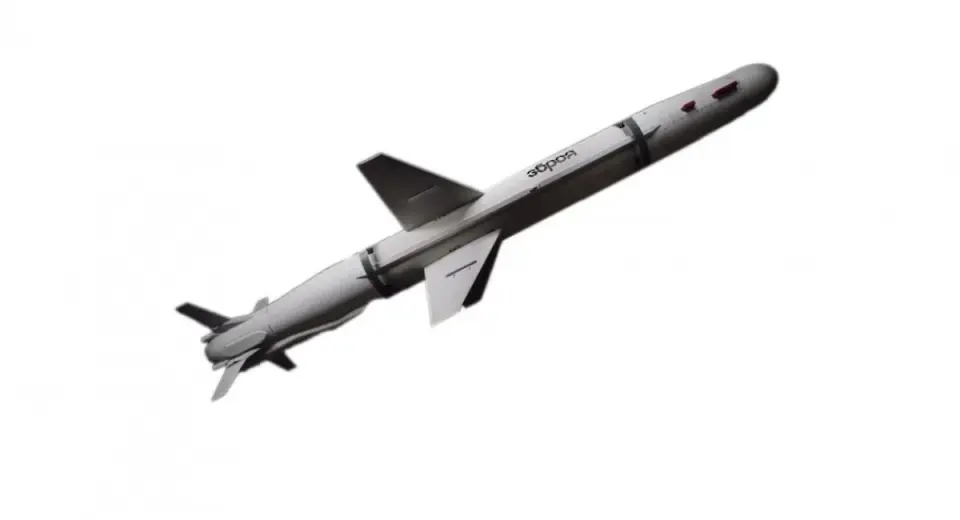
Ukraine’s defense industry is scaling up missile production, with 2026 output expected to reach 'hundreds' of Neptune cruise missiles and over 1,000 Palianytsia drones. While production has grown significantly since 2022, experts warn that funding shortages, skilled labor gaps, and Russian strikes may cap further expansion, pushing some firms to relocate manufacturing abroad.
Key points
- Ukraine’s Luch Design Bureau expects to produce hundreds of Neptune cruise missiles in 2026, though fewer than 1,000 units, according to CEO Oleh Korostelyov.
- Production of the smaller UAV-290 Palianytsia jet-powered drone has already exceeded 1,000 units annually, showcasing rapid industrial scaling.
- Ukraine’s missile output remains lower than Russia’s, which produced 873 cruise missiles in the first seven months of 2026, but exceeds several European counterparts.
- European nations like France and the Netherlands are comparing their own cruise missile production rates, with Dutch Ruta drones reaching 300 units per month.
- Ukraine’s defense industry faces constraints from funding gaps and Russian strikes, prompting some companies to establish joint ventures in Europe to secure production capacity.
Background
Ukraine’s defense sector has transformed from a Soviet-era remnant into a major producer of drones and missiles since 2022. The industry now employs over 300,000 people and includes more than 900 firms, with production capacity growing 35-fold between 2022 and 2025. This expansion has been driven by wartime urgency and foreign funding, though it remains vulnerable to Russian attacks and financial constraints.
How outlets are covering it
Defense Express and Military emphasize the quantitative comparison of Ukraine’s missile output with European and Russian competitors, highlighting that while Ukraine’s production is impressive, it still lags behind Russia’s volume. MiGFlug provides a broader historical context, detailing how Ukraine’s defense industry evolved from a Soviet legacy into a modern 'drone superpower' through rapid innovation and foreign partnerships. Chatham House offers a strategic perspective, arguing that Europe should treat Ukraine as a partner in joint ventures rather than just a supplier, to build enduring industrial capacity and mitigate risks from Russian hybrid attacks on European facilities.
Why it matters
Ukraine’s ability to mass-produce advanced missiles and drones is critical for its defense against Russia and for shaping Europe’s future security architecture. The scale of production affects the balance of power in the ongoing conflict and influences how European nations approach their own defense procurement and industrial resilience.
What to watch
Ukraine aims to increase missile production further if additional funding becomes available. European countries are expected to deepen cooperation with Ukrainian defense firms through joint ventures and direct financing, while Ukraine continues to expand its export capabilities under state-controlled frameworks to sustain its industry.
- If Ukraine Produces Hundreds of Neptun Missiles Year, How Does That Compare With Europe's Cruise Missile Output? Defense Express
- Ukraine Is Racing to Keep Its Booming Defense Industry From Stalling WSJ
- Ukraine to Produce “Hundreds” of Neptune Missiles and More Than 1,000 Palianytsia Missiles in 2026 Мілітарний
- From Soviet Factories to Drone Superpower: How Ukraine Rebuilt Its Arms Industry MiGFlug
- Europe should fund Ukraine’s defence industry as a partner, not a supplier Chatham House
Want the full story? Read the original reporting
Read on Defense Express