
Ukraine sinks Russian corvette in Libya, expanding naval drone war to North Africa
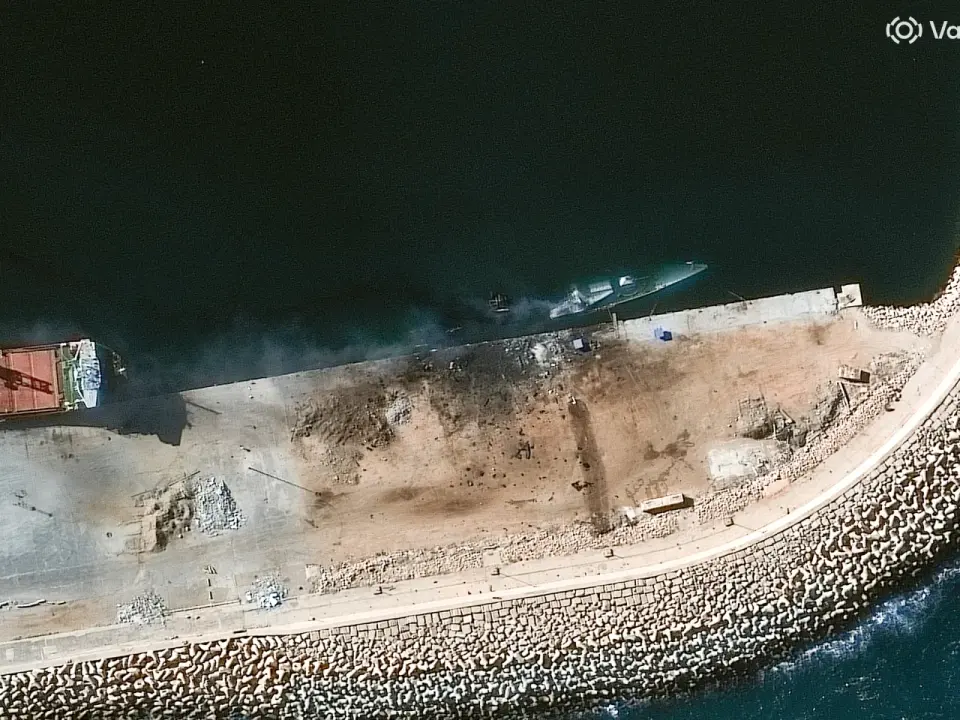
Ukraine’s Security Service (SBU) confirmed on November 23 that it sank the Russian corvette Merkury in Benghazi, Libya, using seven naval drones. The strike also damaged the cargo ship MV Angara and destroyed a Ka-27 helicopter, killing at least 10 people. While Kyiv framed the attack as a legitimate response to Russian aggression, Tripoli condemned the violation of its sovereignty, and the Kremlin labeled the incident a 'dangerous trend.'
Key points
- The Merkury, a Steregushchiy-class corvette, was sunk in Benghazi’s seaport on November 22 after docking to refuel under a cooperation agreement with the eastern Libyan government.
- Ukraine’s SBU stated that seven domestically made sea drones were launched from a 'mothership' near the target, destroying the warship and the MV Angara, which was allegedly transporting weapons.
- At least 10 crew members, including Libyan and Russian nationals, died in the attack, according to local authorities and Libyan National Army officials.
- Libya’s internationally recognized government in Tripoli condemned the strike, stating that the conflict between Russia and Ukraine does not grant either side the right to conduct military operations on Libyan territory.
- The attack coincided with a drone strike on the Russian cargo ship Sparta II in the Gulf of Finland, highlighting Ukraine’s expanding reach in naval drone operations.
Background
This incident follows a series of long-range Ukrainian strikes on Russian assets, including the sinking of the Arctic Metagaz tanker in March 2026 and the damage to the Kerch Strait Bridge in November 2026. Russia has maintained a significant military presence in eastern Libya since 2011, utilizing the region as a logistical hub for operations in Africa, particularly after losing influence in Syria in 2024. The conflict in Libya remains divided between the UN-recognized government in Tripoli and the eastern administration led by Khalifa Haftar, which is allied with Moscow.
How outlets are covering it
Ukraine, led by President Zelenskyy, described the operation as 'exemplary' and a necessary response to Russian aggression, emphasizing the destruction of military targets. The Kremlin, through spokesman Dmitry Peskov, condemned the attack as a 'very dangerous trend' and labeled the Baltic strike as 'terrorism.' Libya’s government in Tripoli firmly rejected the violation of its sovereignty, while the eastern Libyan government requested a UN investigation into the use of western Libyan territory for the attack. Analysts note that the strike demonstrates Ukraine’s ability to project power thousands of kilometers from the front line, challenging Russia’s naval logistics in the Mediterranean and Baltic Seas.
Why it matters
The sinking of the Merkury marks a significant escalation in the Russia-Ukraine war, extending the conflict into North Africa and demonstrating the effectiveness of Ukrainian naval drones. It highlights the vulnerability of Russian naval assets in distant waters and the potential for the war to spill over into new regions, affecting global shipping and geopolitical stability in the Mediterranean and Middle East.
What to watch
Russia is expected to retaliate against Ukrainian infrastructure, as seen in the recent strike on a Kyiv suburb that killed 11 people. The eastern Libyan government may face increased pressure from Moscow, while Tripoli will likely seek international support to reinforce its sovereignty. Ukraine may continue targeting Russian naval and logistical assets in the Mediterranean and Baltic Seas, further straining Russian military resources.
- Why are Russian warships off Libya, and will Ukraine’s attack change that? Al Jazeera
- Ukraine’s Attack Off Coast of Libya Shows Reach of Its Naval Drones The New York Times
- Ukraine sinks Russian warship in Libya as conflict spreads beyond Europe Reuters
- Zelenskyy hails Ukraine's attack on a Russian warship docked at a naval base in Libya NPR
- Ukraine sinks Russian warship, strikes cargo ships from Mediterranean to Baltic Ars Technica
Want the full story? Read the original reporting
Read on Al Jazeera