
Residents near Hastings get priority for Bayeux Tapestry tickets
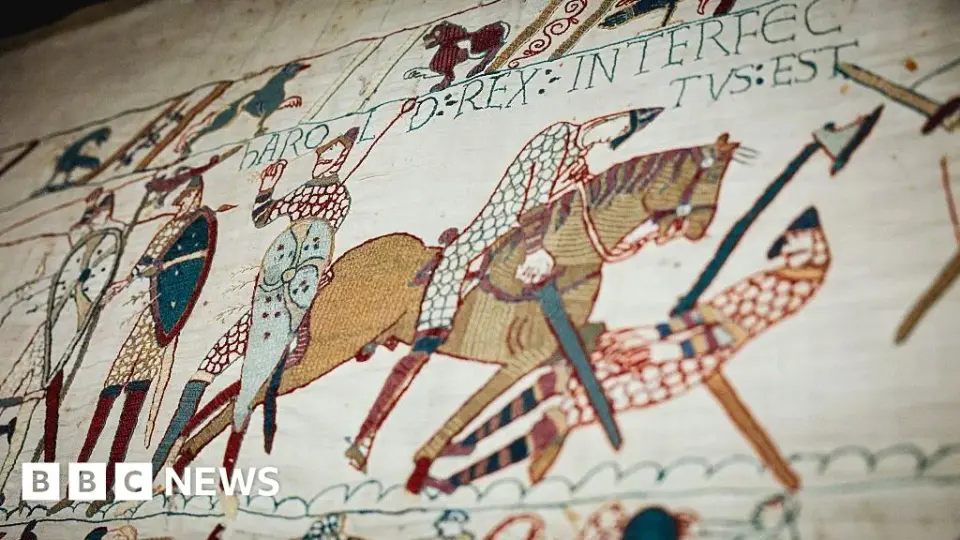
The British Museum is offering early ticket access to residents living near the Battle of Hastings site to manage overwhelming demand for the Bayeux Tapestry exhibition. This measure follows a chaotic opening where 100,000 tickets sold out instantly, causing two-hour queues and early closures. While the 11th-century embroidery is displayed flat for the first time, crowds have forced photography bans and strict crowd control. The loan, insured for £800m, ends in July 2027, with a 1066 reenactment drawing additional spectators.
Key points
- Residents near the Battle of Hastings site receive early access to tickets for the Bayeux Tapestry exhibition at the British Museum.
- The initial ticket release sold out immediately, generating £2.5m in revenue and causing severe overcrowding.
- The museum has banned photography and implemented strict crowd control to manage visitor flow.
- The 68.3-meter tapestry is displayed flat, a first for the artifact, which is insured for £800m.
- A historical reenactment of the 1066 battle has attracted spectators, coinciding with the tapestry's return to Britain.
Background
The Bayeux Tapestry, an 11th-century wool embroidery depicting the Norman Conquest, has been on loan from France to the British Museum since September 2026. Previous coverage noted that the exhibition opened to massive public interest, with 100,000 tickets sold on the first day, leading to logistical issues including two-hour queues and early closures. The museum has since introduced extended hours and audio guides to mitigate these problems. The loan is controversial, with a French petition opposing the move due to the artifact's fragility, but it is supported by UK and French leaders as a symbol of Anglo-French cooperation. The tapestry will return to Bayeux, Normandy, in October 2027.
How outlets are covering it
BBC reports on the new early-access ticketing measure for local residents, highlighting efforts to manage access. The New York Times emphasizes the cultural impact, noting that the tapestry's return has spurred historical reenactments of the 1066 battle, drawing spectators to the site. Studio International provides a detailed analysis of the exhibition's logistics and the tapestry's historical significance, noting the controversy surrounding the loan and the museum's decision to ban photography to speed up visitor flow. The Telegraph source is unavailable due to a security block, so its perspective cannot be assessed.
Why it matters
The Bayeux Tapestry's exhibition represents a rare opportunity to view a significant historical artifact in England, but it also highlights the challenges of managing high-demand cultural events. The ticketing measures and crowd control strategies reflect the tension between public access and artifact preservation. The exhibition also underscores the ongoing debate over the repatriation of cultural artifacts, as seen in the Greek PM's rejection of the tapestry loan as a model for the Parthenon Marbles dispute.
What to watch
Additional tickets for the Bayeux Tapestry exhibition are scheduled to go on sale on 21 October 2026. The exhibition will remain open until 11 July 2027, after which the tapestry will return to the Bayeux Tapestry Museum in Normandy. The British Museum may continue to adjust crowd control measures, including photography bans and queue management, to handle ongoing demand.
- Early Bayeux Tapestry ticket access for residents near battle site BBC
- Bayeux Tapestry ‘will never be hung up again’ The Telegraph
- Bayeux Tapestry’s Return Has History Buffs Re-Enacting Like It’s 1066 The New York Times
- 70-metre Bayeux Tapestry reproduction to go on display at Swindon's STEAM Museum Stroud News and Journal
- The Bayeux Tapestry Studio International
Want the full story? Read the original reporting
Read on BBC